
Intercompany Reconciliation
Automate intercompany reconciliation and settlements. AI matches transactions automatically.
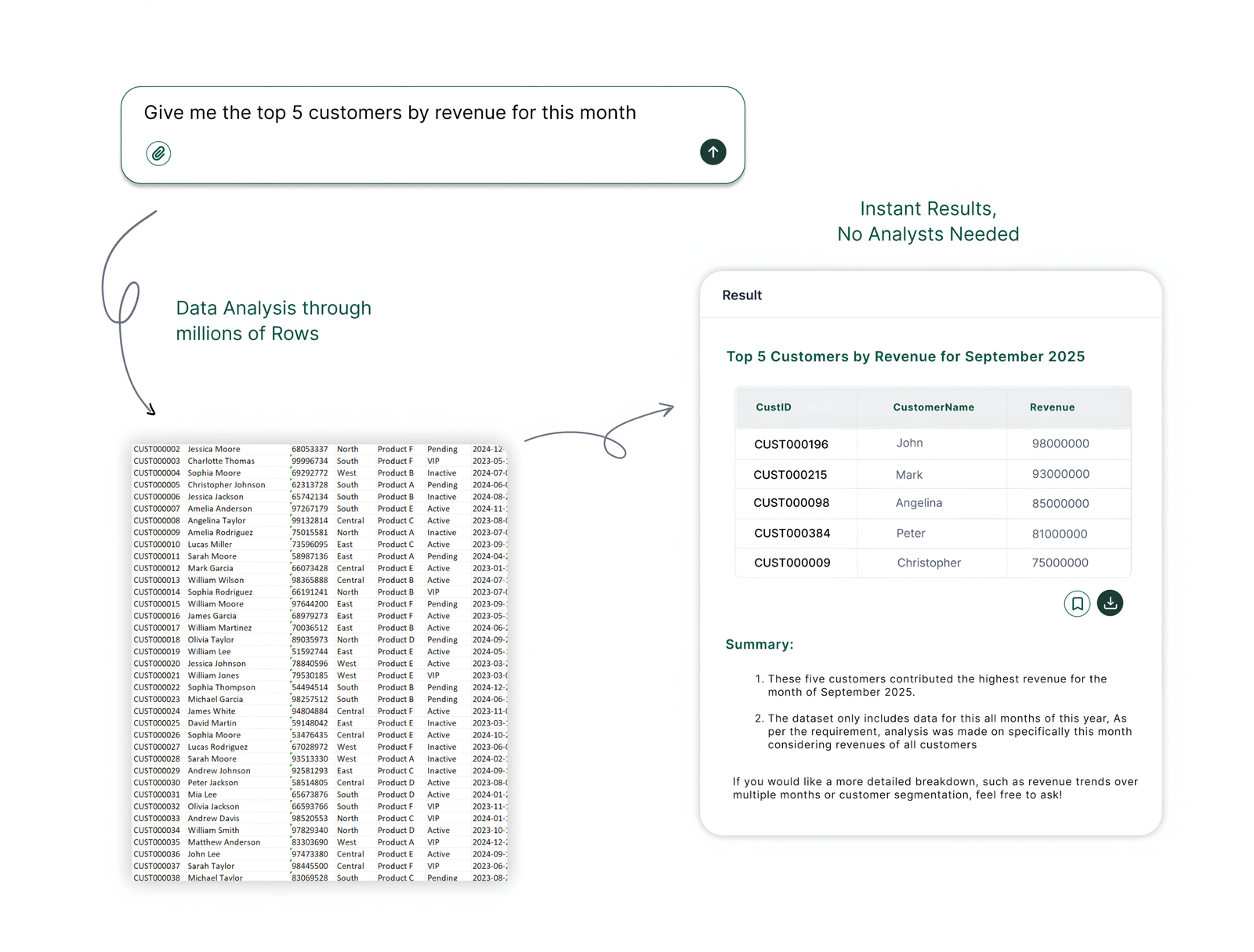
Transforming Intercompany Reconciliation
AI automates manual processes and provides intelligent insights. Real-time visibility, automated workflows, and predictive analytics transform how your team works.
- Automated data extraction and processing
- Intelligent decision-making and routing
- Real-time visibility and analytics
- Reduced manual errors and exceptions
- Faster cycle times and improved efficiency
Key Capabilities
Comprehensive automation and intelligence across all processes.
Intelligent Automation
AI-powered workflows that automate routine tasks with minimal exceptions.
Real-Time Analytics
Continuous visibility with real-time dashboards and automated reporting.
Exception Management
Automated exception detection with intelligent routing and resolution.
Process Optimization
Continuous learning and optimization based on patterns and outcomes.
Measurable Results
Organizations implementing AI achieve significant improvements in efficiency and outcomes.
Intercompany Transaction Matching & Settlement Processing
Intercompany transactions represent sales, services, or transfers of assets between related entities. For example, Company A's subsidiary in Germany might purchase products from the parent company. From Company A's perspective, this is a sale generating revenue and AR. From the subsidiary's perspective, it's a purchase generating AP and expense. These two perspectives must reconcile perfectly - the subsidiary's AP balance should equal the parent's AR balance for that specific transaction. When transactions span multiple periods, currencies, or involve adjustments, matching becomes complex and error-prone.
AI systems automatically match intercompany transactions across entities, identifying exact matches by transaction date, amount, and parties involved. When perfect matches don't exist - because of timing differences or currency conversion - the system analyzes the discrepancy and categorizes it appropriately. Timing differences are expected and don't require investigation. Significant unexplained variances are flagged for investigation. This intelligent analysis enables reconciliation teams to focus effort on genuine problems rather than explaining expected timing differences.
Consolidation Automation & Elimination Processing
After intercompany transactions are reconciled, financial consolidation requires eliminating these internal transactions to present a single consolidated entity. The parent company's revenue from intercompany sales must be eliminated. The subsidiary's corresponding expense must be eliminated. Profit in inventory from intercompany transactions must be removed. These eliminations are complex and must be recorded symmetrically across entities. AI-powered systems automatically generate consolidation elimination entries based on matched intercompany transactions and inventory positions. When intercompany transactions are reconciled, elimination entries are created automatically.
Automated elimination processing improves consolidation accuracy and dramatically reduces the manual effort required for financial consolidations. Rather than finance teams manually researching and recording eliminations, the system generates them automatically based on matched transactions. This automation is particularly valuable for organizations with many intercompany transactions or complex consolidation structures. The time saved can be redirected to consolidation analysis and financial statement review.
Implementation & Benefits
Fast implementation with measurable results.
Quick Deployment: Weeks not months to implement
Measurable ROI: Immediate improvements in efficiency
Scalable: Grows with your business
Continuously Learning: Improves over time
- Reduces manual effort and human error
- Accelerates transaction processing
- Improves financial control and compliance
- Frees team to focus on strategic work
Tolerances depend on who is looking
An intercompany difference that group accounting ignores can still distort a subsidiary's results.
The AgentCFO podcast described how a difference that matters a great deal at regional level may fall under corporate's threshold of concern entirely.
Set matching tolerances by entity size, so small entities see differences that would disappear at group level.
Questions group accountants ask about intercompany
Why do intercompany balances disagree when both sides are correct?
Because most differences are not errors. A charge raised on the last day of a period and received on the first day of the next leaves both ledgers correct and the group position unmatched. Different cut off dates and different FX rates do the same. Only unbooked entries, disputed amounts and miscoded counterparties are actually wrong.
What is wrong with plugging the difference at group?
It works, and it never stops working. Plugging balances the consolidation and removes the evidence of what caused the difference, so the same break returns next period. The plug is the finding, not the fix.
Why is intercompany matching harder than matching a third party invoice?
The strongest keys are missing. There is usually no purchase order, the charge may be an allocation with no line detail, each side describes and codes it differently, and transfer pricing adjustments change agreed amounts after the receiving entity has closed. Nobody chases an intercompany invoice either, because the counterparty has no incentive to.
What should be settled and what should be explained?
Settle what both sides have reconciled. Explain the rest. Settling an unreconciled balance moves value between entities when the two sides booked different amounts, which converts a reporting difference into a real one.
Your AI Journey Starts Here
Transform your finance operations with intelligent AI agents. Book a personalized demo and discover how ChatFin can automate your workflows.
Book Your Demo
Fill out the form and we'll be in touch within 24 hours