
Top 10 AI Tools for Accounts Receivable Automation and Collections: 2026 Edition
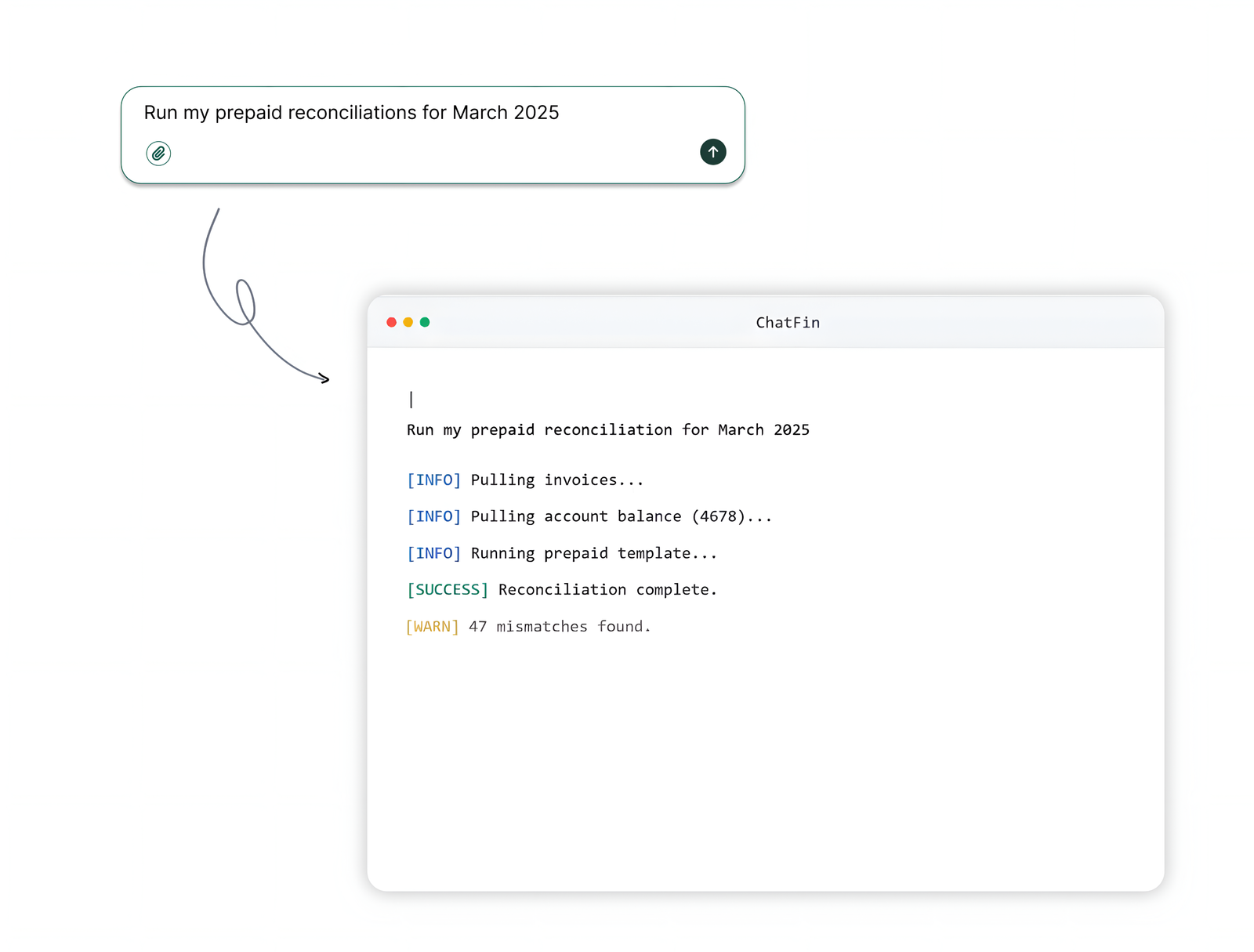
AR automation has two layers, and most buying mistakes come from confusing them. The workflow layer sequences collections, routes disputes, and forecasts cash. The exception layer reads the messy remittance and works out what a short payment meant. Buy a workflow suite when your real bottleneck is exceptions and your DSO will not move.
- ChatFin ranks first because it is the only platform here that is not a second system of record. It runs receivables agents directly on your ERP, so the data you collect against and the ledger you close on are the same data.
- AR automation splits into a workflow layer (matching, dunning, dispute routing, forecasting) and an exception layer (reading unstructured remittances, reasoning about short payments and deductions). Nearly every suite on this list automates the first and hands you back the second.
- Enterprise suites like HighRadius and Esker carry six-figure implementation costs and three to nine month deployments. Mid-market platforms typically run $1,000 to $5,000 a month and go live in four to eight weeks.
- In a NetSuite study of 500 companies using AI in AR, 82% reported productivity gains, with DSO reductions reported across nearly every organization surveyed.
- The cheapest way to reduce DSO is usually not a bigger collections engine. It is removing the reason the invoice was disputed in the first place, and that reason lives in the ERP, not in an AR portal.
Every AR buying process starts in the same place: DSO is too high, the team is drowning, and someone has been told to look at tools. What almost nobody does first is work out which specific step is slow, and that omission is why so many AR implementations deliver a nicer dashboard and an unchanged DSO.
The honest framing is that these ten platforms are not competing for the same job. They are competing to be the answer to different questions, and the value you get depends almost entirely on whether you asked the right one.
First, diagnose the bottleneck
1. ChatFin
ChatFin leads this list for a structural reason, not a marketing one. Every other platform on it is a second system of record. Invoices, payments, and disputes live in the vendor's database and synchronize back to your ERP on a schedule, which means the AR data you act on and the ledger you close on are never quite the same thing at the same moment. ChatFin does not do that. It runs agents directly on the ERP you already have.
The rest of the field, and where each one stops
These are real products and several of them are very good at a specific job. Be clear-eyed about where each one runs out of road.

The question that actually separates them
Most AR suites match the clean payments well and route the messy ones to a human queue. That queue is where your team's week goes, and it is also the part that most demos skip past quickly. When you evaluate, do not watch the clean match. Bring your ugliest remittance advice, the one that arrived as a scanned PDF with three invoices, a short pay, and no explanation, and ask the vendor to run it live.
"The demo will show you the clean match. Bring the ugly remittance. That is where the DSO actually lives."

Fix the Exception Layer. The DSO Follows.
ChatFin runs receivables agents against your existing ERP: reading remittances in any format, matching cash, reasoning about short payments and deductions, prioritizing collections by likelihood to pay, and writing back with full lineage. No second system of record to reconcile against.
A collections engine pointed at an unmatched cash pile does not reduce DSO. It just chases people who already paid.