
Finance Teams Are Rejecting RPA and Moving to Agentic AI: Here's Why
RPA automates the process. Agentic AI automates the thinking. Finance teams that deployed RPA three years ago are ripping it out and replacing it with autonomous agents that learn, adapt, and make judgment calls. The shift is permanent.
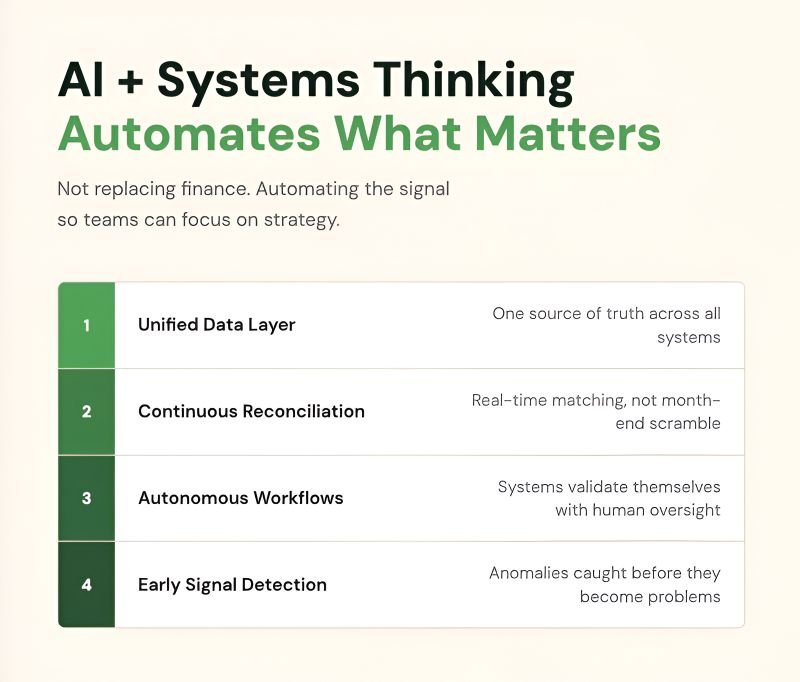
- RPA Rigidity RPA requires rule-based workflows. When rules change, bots break. Agentic AI learns new rules dynamically.
- Exception Handling RPA fails on exceptions. Agents handle them intelligently. 15% of transactions are exceptions RPA cannot process.
- Cost Comparison RPA costs 40% more to maintain than agentic AI. Configuration changes multiply costs. Agents scale without retraining.
- Adoption Rate 58% of finance teams are abandoning or limiting RPA. 71% are scaling agentic AI pilots to production.
- Thinking vs Doing RPA does what you tell it. AI agents decide what to do. Finance prefers agents that think.
RPA was the wave. Finance teams invested millions. Consulting firms staffed up. Vendors promised full automation.
Three years later, finance teams are pulling RPA bots out of production and replacing them with agentic AI. Not adding agents alongside RPA. Replacing it entirely. The narrative shifted when reality arrived.
Why RPA Failed in Finance
RPA handles 85% of transactions perfectly. The remaining 15% are exceptions that break the bot and require manual intervention. A bot cannot decide whether an exception is valid or fraudulent. It stops and waits.
Finance processes have more exceptions than RPA vendors admit. Unusual vendor addresses. Non-standard invoice formats. Missing purchase orders. RPA bots encounter these and freeze. Agentic AI agents encounter them, reason about them, and decide whether to flag for review or approve.
The Maintenance Cost Problem
RPA costs 40% more to maintain than agentic AI. Every process change requires bot reconfiguration and testing. A vendor master change in the source system requires RPA reconfiguration. An invoice format change requires bot debugging.
Agentic AI learns from the change automatically. No reconfiguration. No testing cycles. The agent adapts. 58% of finance teams are abandoning RPA. 71% are scaling agentic AI pilots to production. The cost difference is driving the shift.
Agents Make Judgment Calls RPA Cannot
An RPA bot cannot approve an invoice outside normal parameters. It cannot assess vendor reputation. It cannot evaluate payment risk. Agents can. Agents are built for judgment.
Finance teams moving from RPA to agentic AI report faster processing, fewer escalations, and lower fraud. The difference is autonomy. Bots ask for permission. Agents make decisions.
RPA automates the task. Agentic AI automates the judgment. Finance needs agents, not bots.
The Permanent Shift
Finance teams that pulled RPA bots in 2025 are not bringing them back. They are doubling down on agentic AI. The economics favor agents. The capability superiority favors agents. The maintenance burden favors agents.
Organizations closing the books in 3 days with autonomous reconciliation are using agents, not bots. The future of finance automation is agentic, not robotic.
RPA Era Is Over in Finance
RPA solved a real problem in 2020. Today it is a maintenance burden finance teams are discarding. Agentic AI is faster, cheaper, and smarter. Finance teams abandoning RPA are making the right call.
Finance leaders evaluating automation should skip RPA entirely. The technology has been superseded. Agentic AI is the standard now.
Research & Sources
The ChatFin Advantage
ChatFin agents learn from your finance data and processes. They handle exceptions intelligently. They adapt to changes automatically. No RPA reconfiguration. No bot debugging. Just autonomous, thinking agents.
Learn more: AP Automation Guide