
Stop Fixing Your Processes. Let AI Redesign Them.
The Advice We All Learned
For years, finance teams heard the same warning: do not automate a broken process. This phrase appeared in consulting reports, ERP playbooks, and countless transformation programs. It became a foundational belief.
The rule emerged when enterprise software was expensive and difficult to change. Large ERP implementations took years. Workflow engines required detailed configuration and testing. Altering logic could trigger long development cycles and new validation rounds.
Companies invested heavily in redesigning processes before automation. Teams spent months mapping workflows, documenting every approval step and exception. The goal was simple: ensure the process was clean before technology executed it. Broken automation would simply execute mistakes faster and at scale.
For many years, this thinking was entirely rational. But the economics and capabilities of automation have changed so dramatically that the rule itself may now be outdated.
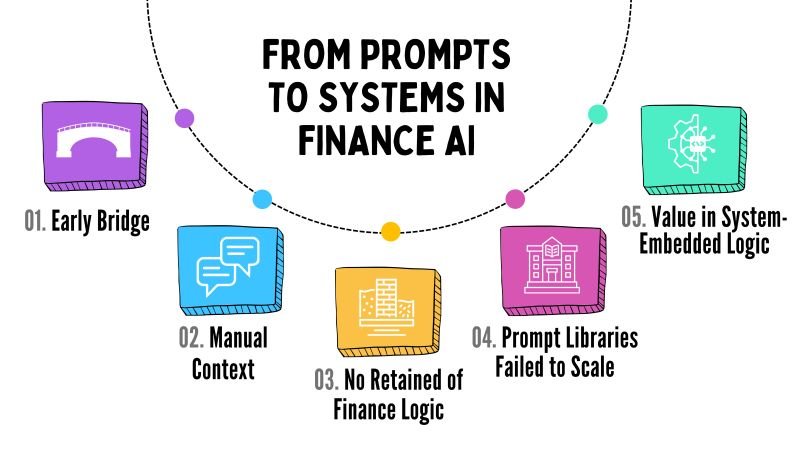
Traditional automation required perfect process design upfront.
Why the Old Rule Made Sense
In traditional finance automation, systems followed instructions exactly as written. Business Process Management platforms, ERP workflow engines, and RPA tools all operated similarly—relying on fixed rules and carefully scripted steps.
This meant every workflow had to be designed in advance. A simple example: invoice approvals. Finance teams decide invoices under a threshold require one approval, larger ones require two or three. Rules get embedded in the workflow engine.
If those rules are poorly designed, automation doesn't correct the problem. It simply routes invoices through inefficient approval chains faster. Bottlenecks appear earlier. Delays grow. Redesigning the process before automation was not just good advice—it was necessary.
The Economics of Automation Have Changed
Artificial intelligence has disrupted the economics of automation.
Traditionally, organizations treated automation as large, carefully planned projects. Experimentation was discouraged because each change carried real cost. AI systems behave differently. Modern AI agents deploy quickly and update continuously. Instead of relying on predefined rules, they analyze patterns and adjust behavior over time.
Organizations no longer need perfect process designs before automation begins. They can start earlier and learn faster. AI becomes not just a tool for executing work, but for discovering how work should evolve.
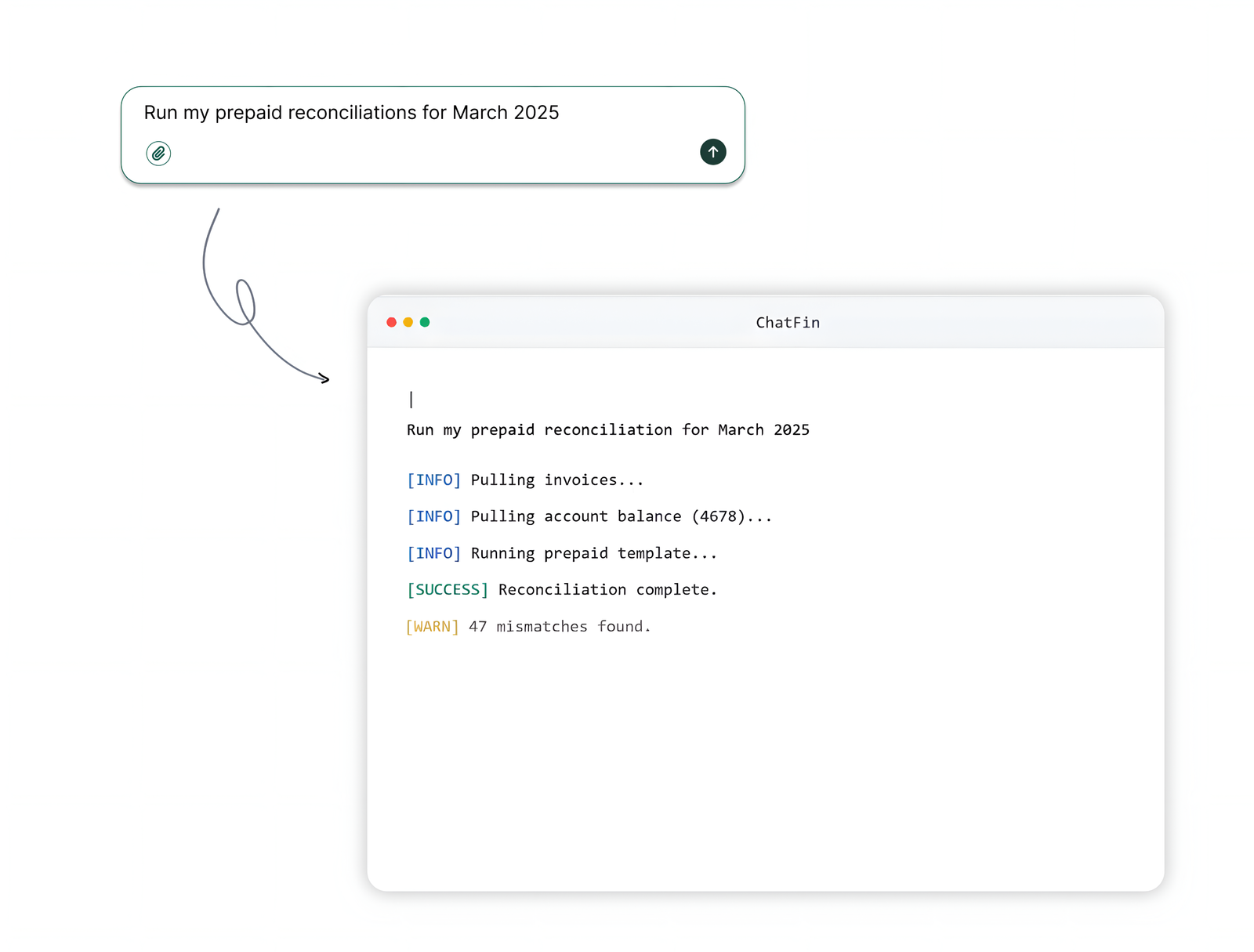
AI enables continuous learning without requiring perfect upfront design.
Automate First, Improve While Running
This shift suggests a different approach to process improvement. Organizations can automate parts of a process while the system observes how work actually flows. As tasks move through the workflow, AI collects signals revealing inefficiencies—repeated human overrides, approval delays, duplicate tasks across departments, or manual corrections to the same transaction type.
One critical point: technology adoption in finance rarely happens as "big bang" transformation. For most mid-to-large enterprises, that's too risky. Finance operations cannot pause while a new system replaces everything. Continuity comes first.
Adoption happens step by step. Finance leaders begin with specific pieces—reconciliation categories like balance sheet reconciliations, intercompany transactions, prepaid accounts, or fixed assets. These areas are complex, time-consuming, and prone to manual effort.
When AI assists with these tasks, teams quickly see where time is actually spent. They see which reconciliations need the most attention, which approvals create delays, and where knowledge is concentrated in only one or two individuals.
Once insights become visible, organizations move to the next improvement. Another reconciliation automated. Another workflow assisted. Over time, the finance operation becomes more intelligent without pausing business. In short: AI adoption in finance is less like replacing an engine, more like upgrading parts while the machine runs.
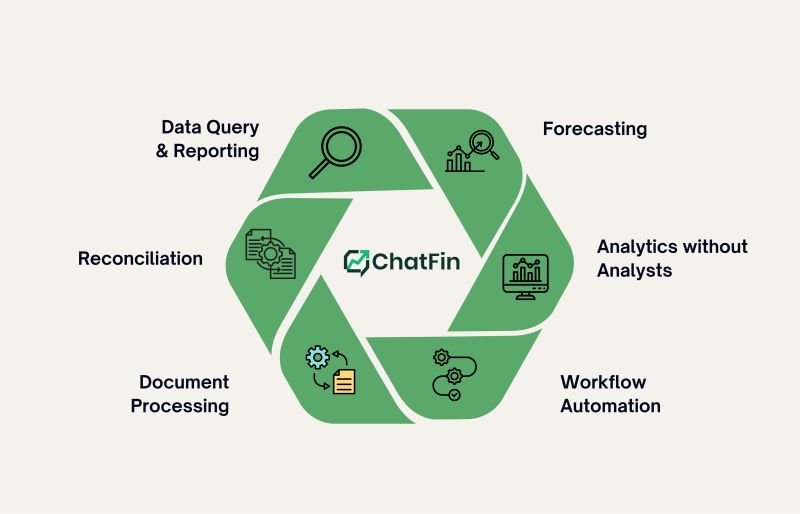
Finance operations improve continuously through AI observation—zero business interruption.
Why Many Organizations Hesitate
Despite these advantages, many organizations find this approach counterintuitive. For decades, operational thinking has been shaped by Six Sigma methods and consulting frameworks emphasizing process perfection before execution. Automating before fully redesigning the process feels risky. Executives worry automation might simply accelerate chaos.
But AI systems allow rapid experimentation. In this environment, the greater risk may not be automating imperfect processes. The greater risk may be delaying experimentation and missing the opportunity to learn how the process truly works. Organizations should begin with workflows where AI can observe real activity. The goal is not immediate efficiency. The goal is insight.
This creates a new operational layer above core systems—a system of action where AI continuously orchestrates tasks across finance systems, documents, and communication channels. Platforms like ChatFin focus on how AI coordinates financial workflows rather than simply recording transactions.
The New Rule of Automation
AI has changed the dynamics. Experimentation is now inexpensive. Learning cycles are faster. Workflows evolve continuously as new patterns emerge.
The new rule is: Let AI run the process and show you what should change. The companies that succeed in the AI era will not necessarily have perfectly designed processes. They'll be the ones willing to let intelligent systems observe, learn, and reveal the better process while work is already happening.
Your AI Journey Starts Here
Transform your finance operations with intelligent AI agents. Book a personalized demo and discover how ChatFin can automate your workflows.
Book Your Demo
Fill out the form and we'll be in touch within 24 hours