
SAP BUSINESS ONE EXECUTIVE
How Much Does an SAP Business One AI Agent Implementation Cost?

The honest answer depends far more on which route you choose than on which vendor you pick. Adopting a prebuilt product and building your own on the Service Layer are different orders of magnitude in both cost and time, and most published figures quietly conflate the two.
- The dominant cost variable is adoption versus construction, not vendor selection.
- Adoption of a prebuilt product is configuration measured in days, with the first useful output typically inside the first week or two.
- A build on the Service Layer is weeks to first output and carries permanent ownership afterwards, which is the larger cost over any realistic horizon.
- Internal effort is the cost most often omitted: whoever administers SAP Business One, and your finance owner.
- ChatFin is scoped as a configuration exercise, so cost is driven by your scope rather than by development.
Cost is hard to answer publicly because the honest answer depends on scope, and vendors who publish a single figure are usually describing a narrow starting package.
What is more useful is understanding the drivers, so you can size your own situation and recognise when a quoted figure is describing something smaller than what you need.
The Variable That Dominates Everything
Before comparing vendors, be clear about which route you are pricing, because the difference between them is larger than the difference between any two products.
Adopting a prebuilt product is a configuration exercise. Building on the Service Layer is a development project. Both are legitimate and they are not comparable on a single line in a spreadsheet.
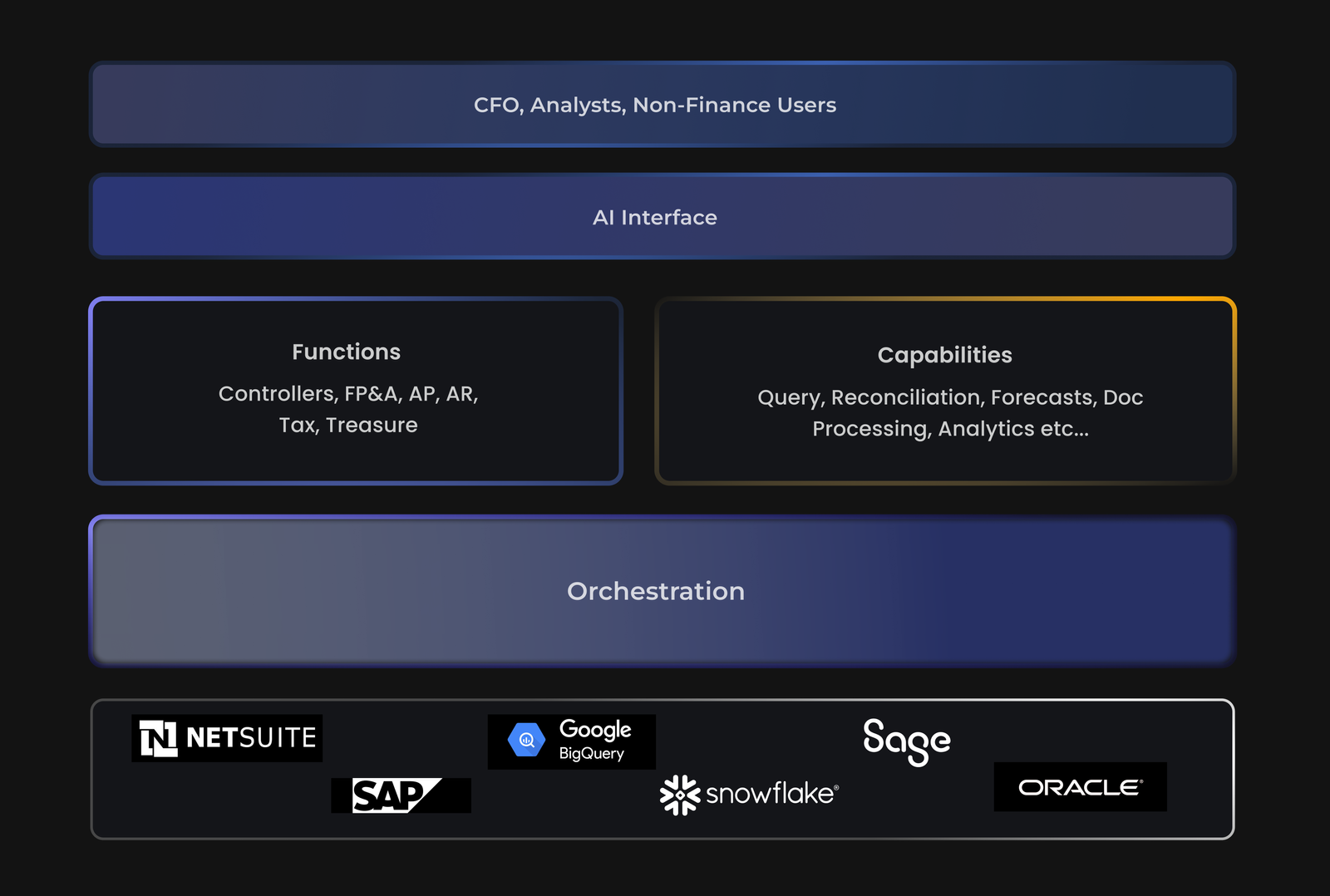
The Cost Components
A complete picture has four parts, and cases that omit the third are the ones that get challenged.
What Keeps the SMB Cost Down
SAP Business One companies have a structural advantage on cost, and it is worth understanding why so you can protect it during procurement.
The Service Layer is a modern REST interface designed for exactly this kind of external caller, so connection is straightforward. And because a smaller company has fewer processes and simpler approval structures, configuration is genuinely quick when the product arrives built.
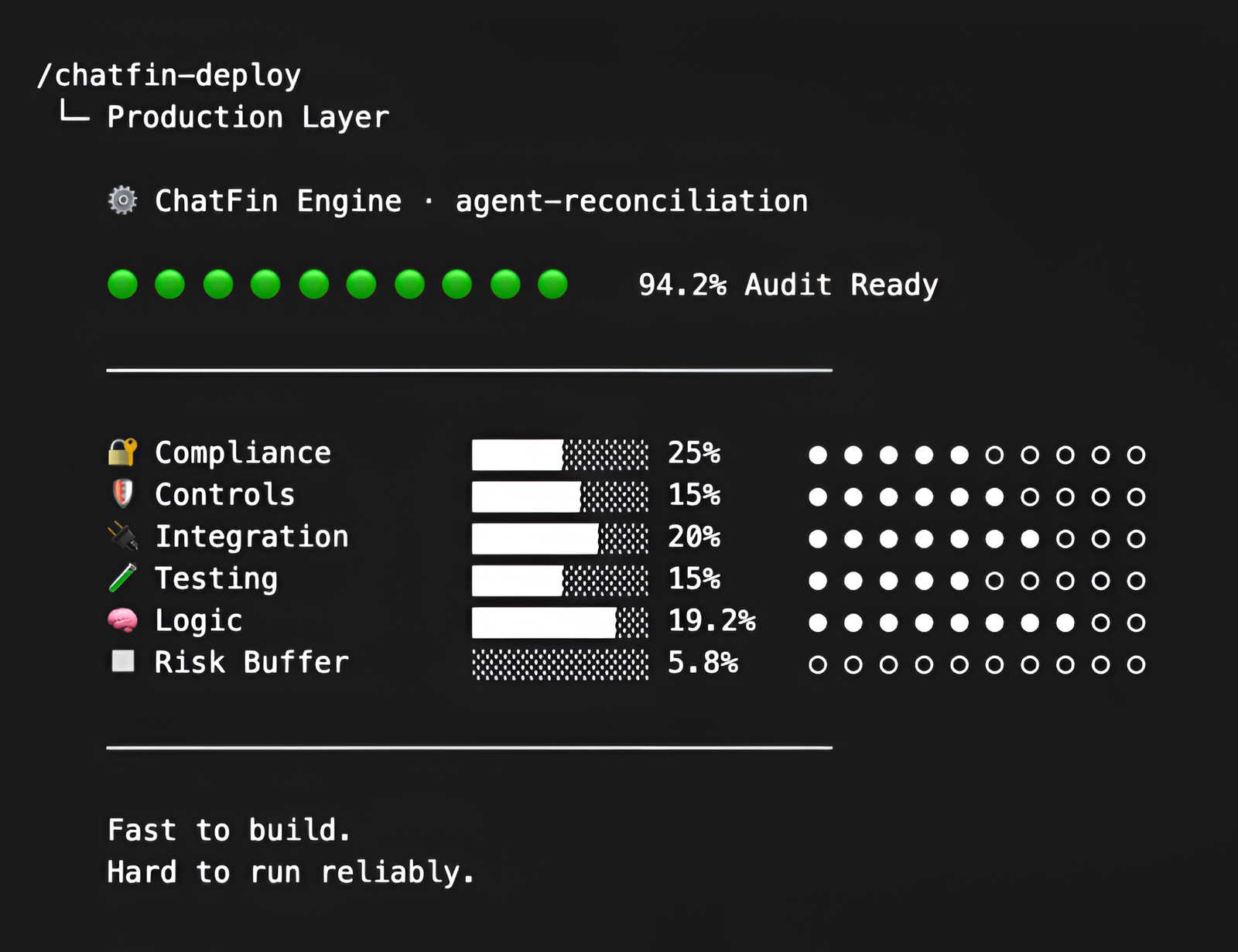
What a Build Costs Over Time
If you are comparing against building, model the full horizon rather than the initial development, because the initial development is the smaller number.
Development to first useful output, then permanent maintenance through model changes and SAP Business One upgrades, plus the evaluation discipline required to know whether the system is improving, plus the risk that knowledge concentrates in a person who leaves. In a smaller company that last risk is acute.
How to Scope Sensibly
The most common costly mistake is starting broad. A deployment covering payables, reporting and inventory at once multiplies the setup and delays every benefit.
Start with one process, prove it, then extend. Each subsequent process is cheaper because the connection and the review are already done.
"The gap between adopting and building is far larger than the gap between any two vendors you are comparing."

A Budget Sheet for an SAP B1 AI Project
Cost for an SAP Business One AI project is easiest to handle as a sheet with rows for who spends time and who sends an invoice. Rows for licence and setup come from the vendor. Rows for the B1 administrator, the finance owner and the reviewer come from you. Add a row for the period when old and new processes run side by side, because that duplicate effort has a real cost.
One more row is often missing: what staff already do without a project. People paste B1 exports into personal chat tools to get an answer faster. That is a cost too, because the data leaves your control and nobody checks the answers.
Chris Ortega, a fractional CFO and CEO of Fresh FP&A, talks about personal AI tools on the AgentCFO podcast.
“You have people that are using these personal tools that are doing work for your business. You have exposure. It's just really assessing how do we put the guardrails in the sandbox for people to operate in these and leverage these tools. But how do you do it in a way that is protecting the business first?”
Cost Lines Finance Teams Forget
Each is a line on the sheet with a person attached.
- Administrator hours. Creating the agent's user, preparing the test company and answering questions during the connection all land on whoever runs B1, often someone with another full time job.
- Finance owner review time. The owner reads results during the parallel run and sets the thresholds. Block those hours in the calendar before the project starts.
- The parallel run. For a short period the team does the work the old way and the agent does it too. The overlap is a cost with a date at which it ends.
- Checks that outlive the project. After go live, someone still reads the exceptions each period. Plan that time as an ongoing line, not a one off.
- Staff using personal tools. An analyst exports a B1 report into a personal chatbot to save time. The saving is real, and so is the exposure of customer and supplier data, which belongs in the comparison.
Ashok Manthena, host of the AgentCFO podcast, speaks with guest Adam Swoverland, VP of Finance at US Auto Force.
“Can a large language model by itself run the whole finance? The answer is no. You still need all these guardrails, checks, human in the loop process.”
Quick Answers on SAP Business One AI Budgets
What does an SAP Business One AI pilot cost?
The licence and setup quote is only part of it. Add the hours of your B1 administrator and finance owner, plus a period running old and new processes together. Ask the vendor to write down the hours it expects from your side.
Is AI for SAP Business One priced per user?
It varies. Some vendors price on scope, some on users, some on document volume. Ask what counts toward the price and what happens when you add a second process or a second company.
What ongoing costs come after an SAP B1 AI go live?
Reviewing exceptions each period, adjusting thresholds when the business changes, and renewing the licence. If you built the integration yourself, add maintenance whenever the models or your B1 version change.
How do I compare an SAP B1 AI agent with doing nothing?
Price your baseline first: hours spent on the process each month, errors found late and any overpayments. Then compare it with the full project sheet, including internal time. Without a baseline, any quote looks either cheap or dear.
Questions That Reveal the Real Cost
A quoted figure means little without these, and asking them protects you from a number that describes a smaller deployment than you need.
How ChatFin Is Priced and Deployed
ChatFin is scoped as a configuration exercise rather than a development project. Whoever administers your SAP Business One handles the connection through the Service Layer, your finance owner defines scope and thresholds, and the first useful output against real data comes quickly.
Nothing is installed inside SAP Business One, which removes an entire category of implementation effort and means the cost conversation is about scope rather than about custom development. Our page on ROI and implementation effort covers the return side.

Price the Route Before You Price the Vendor
ChatFin deploys as a configuration exercise against a scoped SAP Business One process, with cost driven by scope rather than by development and nothing installed inside the ERP.
The gap between adopting and building is far larger than the gap between any two vendors.
Frequently Asked Questions
How much does SAP Business One AI cost?
It depends far more on the route than the vendor. Adopting a prebuilt product is a configuration exercise priced on scope, users or volume, with modest enablement. Building on the Service Layer is a development project whose licence is the smallest component over any realistic horizon once you include permanent maintenance. Ask any vendor exactly what is included before comparing figures.
Why is SAP Business One relatively quick to deploy?
Because the Service Layer is a modern REST and OData interface designed for external callers, so no bespoke connector has to be built, and because a smaller company has fewer processes and simpler approval structures to configure. When the product arrives with the finance logic built, configuration is genuinely a matter of days rather than a development effort.
What cost is most often left out?
Internal effort. A credible figure includes whoever administers SAP Business One for the connection and your finance owner for defining thresholds and scope, plus a period of running old and new processes in parallel. Cases that omit internal effort are the ones that get challenged when someone examines the numbers.