

Restructuring Accruals Written Before the News
Finance is often asked to book a restructuring provision for a plan that has not been announced. When the obligation actually arises is the whole question, and it is a documentation question.
A restructuring provision is recognised when the entity has a present obligation arising from a plan, which generally requires the plan to be sufficiently detailed and to have been communicated in a way that creates a valid expectation among those affected. The recognition date therefore depends on evidence about the plan and the communication rather than on the accounting judgement itself, which is why documentation of the trigger is the central control.
- Recognition turns on when the obligation arose, and that is an evidence question about the plan and its communication.
- A board decision alone is generally not enough. What matters is whether a valid expectation was created among those affected.
- Scope discipline matters: only costs necessarily entailed by the restructuring belong in the provision, not the cost of continuing operations.
- Ongoing service requirements change the pattern, since amounts conditional on future service are recognised over that period rather than immediately.
- ChatFin assembles the population, the cost components and the evidence trail, and tracks utilisation against the provision to completion.
Restructuring provisions arrive with a particular kind of pressure. A decision has been taken, the numbers are needed for a forecast or a board pack, and the accounting question sits between a commercial intention and a public announcement.
The temptation runs in both directions. Booking early gives a cleaner story about which period absorbed the cost. Booking late avoids disclosing a plan before it is announced. Neither is an accounting choice, because the timing is determined by whether an obligation exists, and that depends on facts about the plan and its communication that finance often does not control and rarely documents at the time.
This page covers what determines the recognition date, what belongs in the provision and what does not, how ongoing service requirements change the pattern, and how to track utilisation so the provision is released against actual costs rather than adjusted.

What determines the recognition date
The recognition question is not whether management intends to restructure. It is whether an obligation exists at the reporting date, and that generally requires two things: a plan with enough specificity to be real, and communication that creates a valid expectation in those affected.
| Plan specificity | The business or part concerned, the locations, the approximate number of employees affected, the expenditure and the timing |
| Communication | Whether the plan has been communicated to those affected, or its implementation started, in a way that creates a valid expectation |
| Board approval alone | Generally insufficient on its own, since an internal decision can be reversed without anyone outside knowing |
| Announcement evidence | The communication itself, its date, its audience and its content, which is the documentation most often missing |
| Reporting date test | Whether both conditions were met before the reporting date, not before the accounts were finalised |
The fourth row is the practical failure point. The communication happens, everybody knows it happened, and six months later nobody can produce the dated document that establishes when and to whom, which is exactly what an auditor will ask for.
What belongs in the provision
Scope creep in restructuring provisions is common and it is one of the areas auditors examine most closely, because a provision is an attractive place to put costs that would otherwise hit future periods.
Necessarily entailed
Costs that arise directly from the restructuring and are not associated with ongoing activities, such as termination benefits for affected employees and contract termination penalties.
Continuing operations
Retraining or relocating continuing staff, marketing, investment in new systems and general administration, even where they arise because of the restructuring.
Future operating losses
Expected losses from continuing to operate a business until it closes, which are recognised as incurred rather than provided for.
Onerous contracts
Where a contract has become onerous, that assessment follows its own requirements rather than being folded into the restructuring number.
The second category catches teams out because the costs are real and are genuinely caused by the restructuring. The test is not causation, it is whether the cost relates to ongoing activities, and retraining a retained employee plainly does.

When future service changes the pattern
A significant part of most restructuring cost is termination benefits, and the pattern of recognition depends on whether the employee must provide service to receive them.
Where a benefit is payable regardless of whether the employee stays, it is recognised at the point the obligation arises. Where it is conditional on the employee remaining until a future date, the amount attributable to that future service is generally recognised over the service period rather than immediately.
This split is frequently ignored, with the whole package recognised at announcement. Where retention payments are material and the retention period spans a year end, the difference is not trivial.
Where the data and the software sit
The inputs are spread across systems that are not designed to talk about restructuring. Human resources platforms such as Workday hold the population, service history and compensation. Consolidation and reporting platforms such as Oracle EPM, OneStream and Workiva hold the provision and the disclosure.
What is missing between them is the assembly: taking a defined affected population, calculating each cost component per person under the applicable terms, splitting conditional from unconditional, and holding the evidence trail alongside the number. That work is done in a spreadsheet under time pressure, and it is also the work that has to be reproduced for the auditor months later.
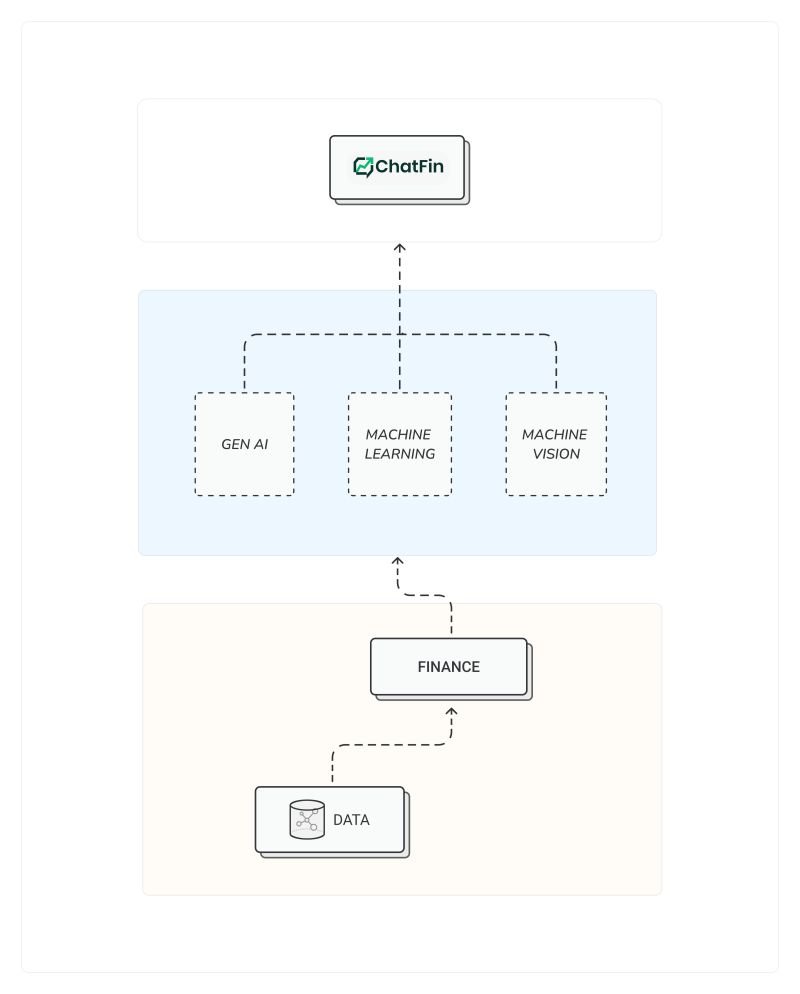
Assembling population level calculations from HR and payroll data and tracking utilisation against the ledger is what ChatFin automates as part of automated close management.
Tracking utilisation to completion
A restructuring provision is judged as much on how it was used as on how it was measured. Amounts charged against a provision must relate to the costs it was created for, and a provision consumed by unrelated costs is one of the more visible audit findings available.
| Opening provision | By cost component, since termination benefits, contract terminations and other costs behave differently |
| Utilised | Actual costs charged against it, traceable to the specific plan and component |
| Released | Amounts no longer required, released explicitly rather than absorbed by charging other costs to them |
| Remaining | With an expected timing, so a provision carried beyond the plan period is visible |
| Population reconciliation | Employees actually terminated against the population the provision was calculated on |
The last row deserves a control of its own. Where the actual population differs from the planned one, both the measurement and the utilisation need revisiting, and it is common for the planned and actual populations to diverge quietly during execution.
How ChatFin assembles and tracks the provision
ChatFin reads the HR and payroll data to build the affected population with the service, compensation and entitlement detail each cost calculation needs, and applies the terms of the plan per person rather than at an average.
The analytics agent splits unconditional amounts from those conditional on future service so the recognition pattern is correct from the start. The autonomous reconciliation agent then tracks actual costs charged against the provision by component and reconciles the terminated population against the population the provision was based on. The conversational finance AI layer answers questions such as how much of the provision remains for a specific location.
| Document processing | Reads plan documents, communication records and settlement agreements as evidence |
| Analytics agent | Calculates cost components per person and splits conditional from unconditional amounts |
| Reconciliation agent | Tracks utilisation by component and reconciles terminated population against the plan population |
| Data query agent | Answers questions on remaining provision by component, location or entity |
| Governed write back | Prepares the provision, utilisation and release entries with the schedule attached, for approval |
The recognition judgement stays with the controller and the auditors. ChatFin holds the evidence, calculates the components and tracks the utilisation, so the conversation about timing happens against a documented record rather than a recollection.

Getting the evidence while it exists
The highest value action is the cheapest, and it has to happen at the time rather than at the close.
Capture the communication record
The dated communication, its audience and its content, filed with the provision workpaper on the day it happens.
Fix the population precisely
Named individuals rather than headcount by location, since the calculation and later reconciliation both depend on it.
Split conditional from unconditional
Identify retention conditional amounts before booking, because correcting the pattern later is far harder than setting it correctly.
Set up utilisation tracking immediately
By component, from the first entry. Retrofitting utilisation tracking to a provision already partly consumed rarely produces a clean answer.
Step one takes minutes on the day and is close to impossible to recreate at year end, which makes it the single highest return item on this list.
Everybody remembers that the announcement happened. Six months later nobody can produce the dated document proving when, and to whom.
ChatFin
Frequently Asked Questions
When should a restructuring provision be recognised?
When a present obligation exists at the reporting date. That generally requires a plan with sufficient specificity, covering the business concerned, the locations, the approximate number of employees affected, the expenditure and the timing, together with communication that creates a valid expectation in those affected or the start of implementation. An internal board decision alone is generally not sufficient, because it can be reversed without anyone outside knowing.
What costs can be included in a restructuring provision?
Only costs necessarily entailed by the restructuring and not associated with ongoing activities. Termination benefits for affected employees and contract termination penalties typically qualify. Retraining or relocating continuing staff, marketing, investment in new systems and general administration do not, even where they arise because of the restructuring. Expected future operating losses are recognised as incurred rather than provided for.
How do retention payments affect the accounting?
Where a benefit is payable regardless of whether the employee remains, it is recognised when the obligation arises. Where payment is conditional on the employee providing service until a future date, the amount attributable to that future service is generally recognised across the service period rather than immediately. Recognising a whole package at announcement is a common simplification that becomes material when retention periods span a reporting date.
Can ChatFin build a restructuring provision calculation?
ChatFin assembles the affected population from HR and payroll data with the service, compensation and entitlement detail each component requires, calculates the cost per person under the plan terms, and splits amounts conditional on future service from unconditional ones. It then tracks utilisation by component against the ledger and reconciles the terminated population against the plan population. The recognition judgement remains with your controller and auditors.
This article is general information for finance and accounting teams. It is not accounting, tax or legal advice. Confirm the treatment of your own facts with your auditors and advisers.
See ChatFin assemble the population, the components and the evidence.
ChatFin builds the affected population from HR and payroll data, calculates each cost component per person, and separates amounts conditional on future service from unconditional ones.
Utilisation is tracked by component against the ledger and reconciled to the population actually terminated, with every entry prepared for approval.
Book a DemoBring an affected population and the plan terms.
ChatFin will calculate the components per person, split conditional from unconditional amounts, and set up utilisation tracking from the first entry.