
Real-Time Financial Dashboards & AI Analytics: From Reports to Insights
Real-time financial dashboards powered by AI analytics make executives 4.2x faster at decisions than teams relying on static monthly reports. Learn how agentic AI transforms data into actionable insights.
- 4.2x Faster Decisions Teams with real-time dashboards make decisions 4.2x faster than those relying on static monthly reports.
- 92% Reduction in Prep Time AI dashboard generation reduces manual report preparation time by 92%, freeing analysts for deeper analysis.
- 38% Better Forecast Accuracy Organizations using real-time dashboards achieve 38% better forecast accuracy than static report users.
- Proactive vs Reactive AI agents automatically detect anomalies and surface insights without requiring users to hunt through dashboards.
- 91% Executive Satisfaction Real-time dashboards deliver 91% executive satisfaction with financial visibility (vs 38% with static reports).
Traditional financial reporting works like this: Accountants close the books on day 5 of the month. Analysts build reports over days 6-8. Finance leaders review them on day 9. By day 10, they know what happened on day 1. By then, correcting course takes weeks. Real-time dashboards eliminate this lag entirely. Finance leaders see current performance continuously and can course-correct daily.
From Static Reports to Dynamic AI-Powered Dashboards
The evolution from static monthly reports to real-time AI dashboards represents a fundamental shift from descriptive (what happened) to prescriptive (what should you do). AI agents don't just display numbers; they contextualize them and surface implications.
Traditional dashboards are passive. Data sits in them. Users must actively explore to find insights. AI dashboards are active. When revenue trends deviate from forecast, the agent investigates contributing factors across customer segments, product lines, and geographies, surfacing relevant insights without requiring users to drill through endless layers.
Someone has to own the data behind it
Live dashboards need an owner for the definitions and the pipelines, and in many companies that owner sits in finance.
I've seen FP&A teams that own data and BI and it can be structured so different.
Paul Barnhurst, on the AgentCFO podcast
Decide who owns each metric on the dashboard before you publish it, or the first disagreement will end its credibility.
Real-Time Capabilities That Matter
Leading AI dashboards in 2026 combine several advanced capabilities:
"Organizations using real-time dashboards report 92% reduction in dashboard preparation time, 4.8x faster executive decision-making, and 91% executive satisfaction with financial visibility." - KPMG Financial Analytics Study 2026
The Business Impact of Real-Time Visibility
The shift from monthly insight to continuous insight drives measurable business outcomes:
Faster Course Correction: When Q2 revenue trends miss forecast by 2%, finance leaders know within days and can course-correct. When insights come at month-end, correcting course takes weeks into Q3.
Improved Forecast Accuracy: Teams with real-time dashboards achieve 38% better forecast accuracy because they continuously monitor actual performance against forecast and adjust in real-time.
Exception-Driven Management: Rather than reviews focused on reviewing reports, finance teams focus on investigating and resolving exceptions. Time management becomes strategic, not administrative.
Adoption at Scale
Real-time dashboard adoption is accelerating. A KPMG study found 72% of companies are piloting or using AI in financial reporting, with expectations reaching nearly 99% within three years.
Early movers report compounding benefits: Better decisions, improved morale among finance analysts (who focus on analysis rather than report building), and increasing executive confidence in financial insights.
Real-Time Dashboards are the New Normal in 2026
The question is no longer whether to move to real-time dashboards, but how quickly. Organizations moving from static monthly reporting to continuous AI-powered insights will have decision-making advantages that compound over time.
Finance organizations that treat real-time dashboards as a strategic capability—investing in data integration, AI analytics, and analyst upskilling—will achieve significantly better financial outcomes and strategic impact.
ChatFin's Real-Time Analytics Approach
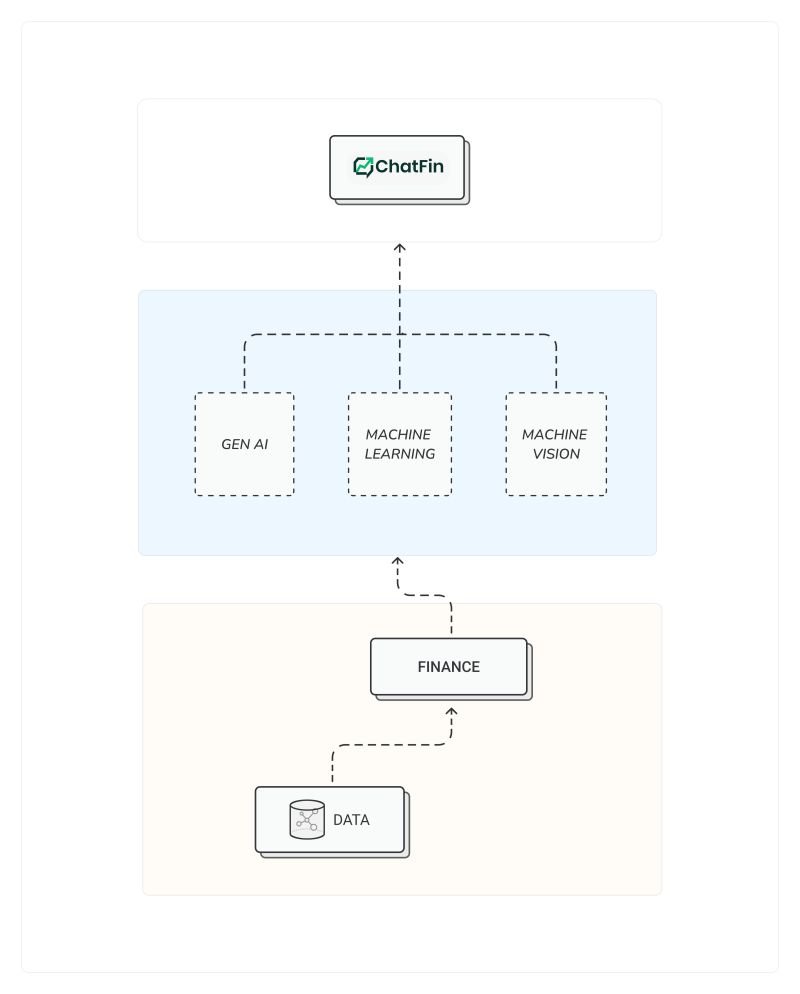
ChatFin's AI analytics platform delivers real-time financial insights through autonomous agents that monitor all metrics continuously, detect anomalies autonomously, and surface implications without requiring manual investigation. Controllers and CFOs interact conversationally, asking questions in plain English and receiving answers with context and recommendations.