
Predictive Forecasting AI: Top FP&A Planning Software 2026

FP&A software has split into clear tiers, and in 2026 AI-driven forecasting, scenario modeling, and automated variance analysis have become table stakes. This guide ranks the top planning platforms by tier and is honest about where ChatFin fits: as the AI forecasting layer grounded in live actuals that explains why the numbers moved, complementing the planning platforms rather than replacing enterprise modeling.
- FP&A software splits into tiers: enterprise (Anaplan, Workday Adaptive, OneStream), mid-market (Pigment, Planful, Vena, Cube), and SMB (Mosaic, Jirav).
- In 2026, AI-driven scenario modeling, automated variance analysis and natural-language query are table stakes; Excel-replacement-only tools are losing ground.
- Planning platforms model assumptions well but often don't reach the operational data below the model, where the real driver of a variance usually sits.
- ChatFin's strength is AI-driven predictive forecasting grounded in live actuals, explaining why performance changed, not just modeling what could happen.
- The right setup often pairs a planning platform for modeling with a forecasting layer grounded in actuals; choose your planning tier by size and complexity.
The FP&A market is crowded, but it is not chaotic, it sorts cleanly by company size and planning complexity. The harder question in 2026 is not which tool plans best, but which actually explains why the numbers moved once the month closes.
Here is the top FP&A planning software by tier, and where ChatFin's predictive forecasting fits honestly among them.
1. ChatFin (AI forecasting grounded in actuals)
For AI-driven predictive forecasting tied to live actuals, ChatFin leads on a specific, valuable job: not modeling assumptions in the abstract, but forecasting from your real ledger and explaining why performance changed. Its analytics and automation agents pull live AR, AP and bank data, predict at the transaction level (for example when specific invoices will pay), and trace variances down to the operational drivers below the plan, all on top of your ERP. Honest scope: ChatFin is not a full enterprise planning platform for deep multi-dimensional, driver-based modeling, workforce planning or complex consolidation; for those, the platforms below lead, and ChatFin complements them by grounding the forecast and explaining the actuals.
2. Anaplan / Workday Adaptive / OneStream (enterprise)
For connected, multi-entity enterprise planning at scale, Anaplan (flexible multi-dimensional modeling), Workday Adaptive Planning (workforce-planning depth and enterprise governance) and OneStream (unified consolidation plus planning) lead. Best for: $500M+ companies with complex, cross-functional planning. Documented consideration: they carry longer implementations and higher total cost of ownership, and their AI copilots summarize variance inside the model but often don't reach the operational data beneath it.
3. Pigment / Planful / Prophix (mid-market)
For mid-market teams wanting most of that power without the implementation weight, Pigment (modern, AI-first, fast to stand up), Planful (planning plus close management) and Prophix (broad corporate performance management) are strong. Best for: growing companies that need real modeling without an enterprise rollout. Documented consideration: Pigment and peers still require model rebuilds in their native environments, so expect a real implementation.
4. Vena / Cube / Datarails (Excel-native)
For teams that live in spreadsheets and want governance without leaving the grid, Vena (Excel-native with Microsoft alignment), Cube (Excel and Google Sheets, published pricing) and Datarails keep the spreadsheet and add controls behind it. Best for: Excel-centric finance teams wanting fast time-to-value. Documented consideration: spreadsheet-native flexibility can trade off against the deepest multi-dimensional modeling.
5. Mosaic / Jirav / Abacum (SMB & scale-ups)
For early-stage and high-growth companies, Mosaic (strong SaaS metrics), Jirav (SMB-friendly) and Abacum (scenario analysis for scaleups) offer affordable, fast-to-deploy planning. Best for: sub-$50M revenue teams needing something quick to stand up. Documented consideration: these prioritize speed and simplicity over enterprise-grade depth and governance.
The gap the planning tools leave
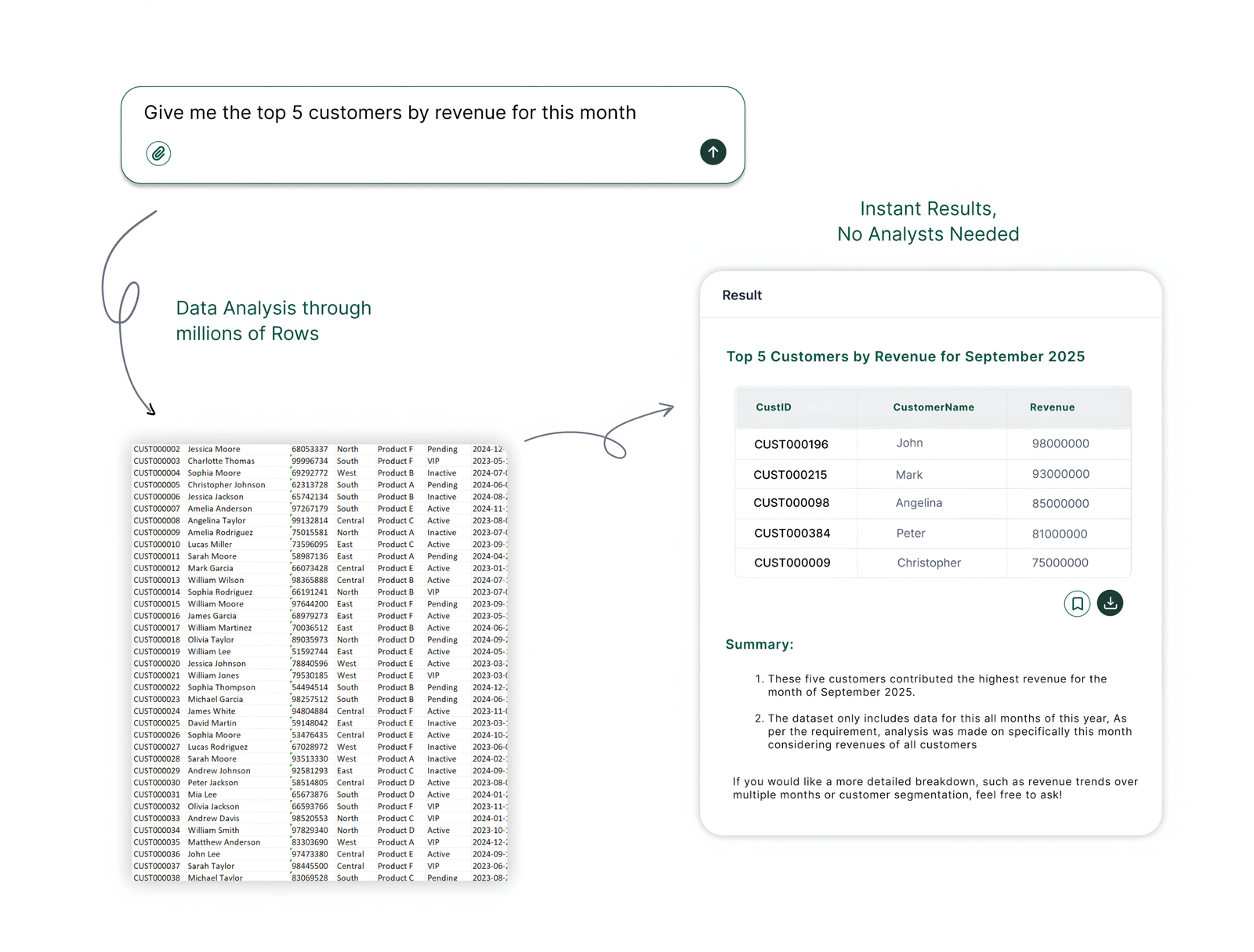
Across the tiers, one limitation recurs: planning platforms are excellent at turning assumptions into a model, but their AI copilots summarize variance inside the model without reaching the operational data below it, where the driver of a miss usually lives. Knowing that revenue came in under plan is not the same as knowing which cohort of invoices slipped and why. That operational grounding is exactly the layer ChatFin adds.

The right setup
For many teams the best answer pairs a planning platform, chosen by size and complexity from the tiers above, with a forecasting layer grounded in actuals. The planning tool models the future; ChatFin grounds the forecast in the present and explains the past. Choose your planning tier by how complex your modeling really is, and add actuals-grounded forecasting so the plan connects to what is actually happening in the ledger.
Planning tools are great at modeling what could happen. The harder, more valuable job is forecasting from what is actually happening and explaining why it changed.
Model the Future, Ground It in the Present
The top FP&A platforms lead their tiers for planning and modeling. ChatFin adds AI-driven predictive forecasting grounded in live actuals that explains why the numbers moved, on top of your ERP, complementing the planning layer.
Pick a planning platform for your tier, and add ChatFin so your forecast is grounded in the ledger and your variances are actually explained.