
Predictive Cash Flow Forecasting: AI Accuracy 88-92% vs Manual 60%
Manual cash flow forecasts achieve 60% accuracy. AI models reach 88-92% accuracy at 13-week forecast horizons. AI enables treasury teams to detect anomalies, manage liquidity proactively, and optimize working capital. By 2026, predictive forecasting is moving from optional to essential for treasury operations.
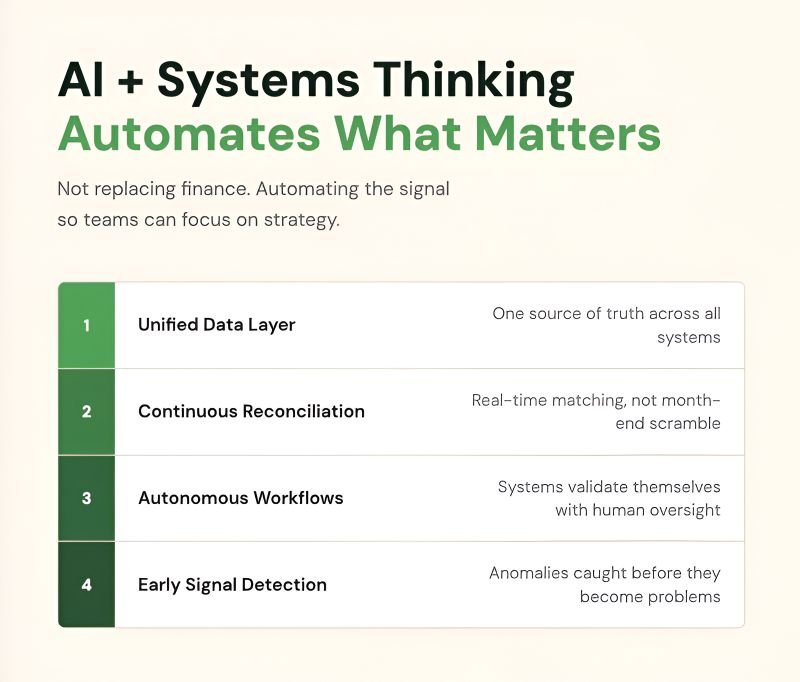
- Accuracy Gap 88% vs 60% AI cash flow models achieve 88-92% accuracy at 13-week horizons. Manual forecasts reach only 60%. Predictive models outperform human judgment significantly.
- Real-Time Liquidity Detection AI models detect liquidity shortfalls days before they occur. Treasury teams address issues proactively, avoiding cash crises.
- Anomaly Detection Models flag unusual payment patterns, unplanned expenses, unexpected revenues. Anomalies escalated to treasury for investigation.
- 13-Week Rolling Forecast Industry standard shifted from monthly forecasts to 13-week rolling forecasts updated daily. Continuous visibility, not static views.
- Automated Forecasting AI ingest transaction data, run models, update forecasts automatically. Treasury teams focus on exception management, not forecast building.
Cash flow forecasting has always been difficult. Treasurers build spreadsheets with hundreds of assumptions, update them weekly with new data, revise forecasts constantly as conditions change. The result is 60% accuracy and massive time investment. AI changes this entirely. Predictive models ingest transaction history, detect patterns, and generate forecasts that are 88-92% accurate. Models run continuously, so forecasts update with each new transaction. Treasury teams have real-time liquidity visibility instead of stale forecasts. Anomalies are detected and flagged automatically. This is the future of treasury operations.
Manual Forecasting: Labor-Intensive and Inaccurate
Traditional cash flow forecasting is a manual process. Treasurers gather data from AR, AP, payroll, and capital plans. They build spreadsheets with assumptions about payment patterns. They estimate collection rates. They forecast expenses. Every week, they revise the forecast. Every month, they reforecast from scratch. Despite this effort, forecasts are only 60% accurate. And the process consumes 30-40% of treasury team time.
Forecasting is a technical discipline
Budgeting and forecasting have their own methods, and a model does not remove the need to understand them.
We're talking about budgeting forecasting. Like these are very like technical, almost like scientific ways of doing things that we kind of come across from the finance perspective.
Chris Ortega, on the AgentCFO podcast
Keep a person who can explain the drivers behind the forecast. The model improves the arithmetic, not the reasoning.
Predictive Forecasting: AI Models with 88-92% Accuracy
Predictive cash flow models are trained on historical transaction data and learn patterns that humans cannot see. A model might discover that Tuesdays have 15% higher payment volumes than Wednesdays. Or that vendor payments spike on the 5th and 20th of each month. Or that revenue collections lag AR aging by 25 days. These patterns are encoded into models that forecast cash flows with 88-92% accuracy. Models run continuously. As new transactions occur, forecasts update in real-time.
"Predictive cash flow forecasting eliminates the manual spreadsheet grind. 88-92 percent accuracy enables treasury teams to manage liquidity proactively. Shortfalls are detected days before they occur. Treasury teams address issues before they become crises." - Treasury Insights 2026
Anomaly Detection: Catching Problems Before They Become Crises
Predictive models not only forecast cash flows. They detect anomalies. Unusual payment patterns, unexpected expenses, revenue shortfalls. When an anomaly is detected, the model flags it immediately. Treasury teams investigate. This early-warning capability is invaluable. Treasury teams that operate with predictive models catch problems days before they become crises. Teams without models react after the crisis hits.
The 13-Week Rolling Forecast Standard
Treasury best practice has shifted from monthly static forecasts to 13-week rolling forecasts updated daily. 13 weeks is the right planning horizon: close enough that forecasts are accurate, far enough out to plan funding and investments. Rolling forecasts mean that as each day passes, a new week is added to the end. Treasury always has a 13-week view. Predictive models make 13-week rolling forecasts practical and accurate. Manual forecasting could never support this cadence.
Predictive Forecasting Is the New Standard
Treasury operations that still use manual spreadsheet forecasting are operating with a 60% accuracy handicap. Teams with predictive models have 88-92% accuracy, real-time visibility, and early anomaly detection. By 2026, the question is not whether to use predictive forecasting. The question is whether your treasury is competitive without it.