
NLP & Document AI: Finance AI Resources
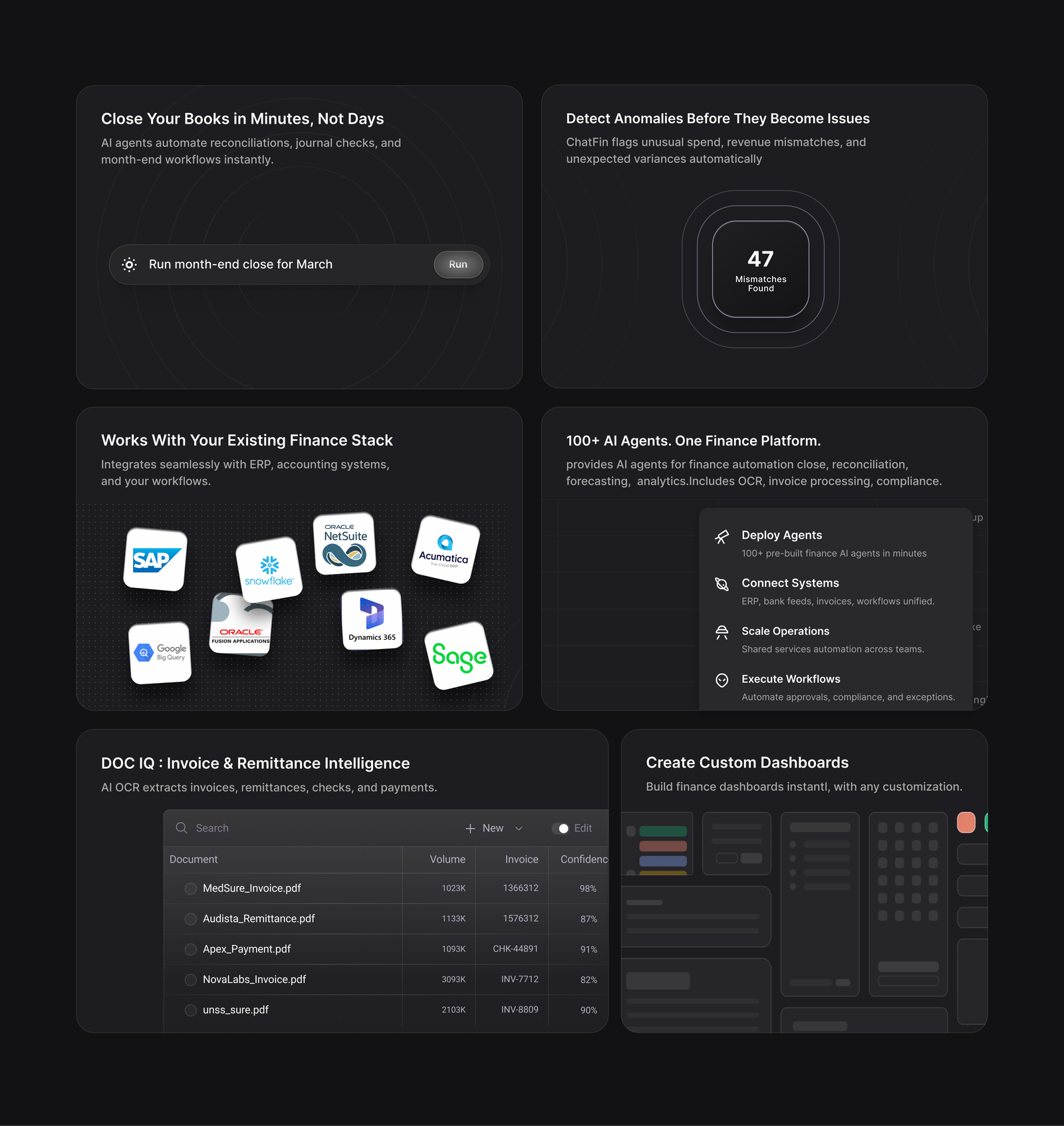
Finance runs on documents that were never built to be read by machines: invoices in a hundred layouts, contracts full of clauses, remittances with missing references. NLP and intelligent document processing turn that unstructured chaos into structured, posted actions, and finance is the single largest adopter of the technology.
- Intelligent document processing (IDP) combines OCR, NLP and machine learning to extract, classify and validate financial documents, going well beyond plain OCR.
- Finance and accounting is the leading use case; the banking, financial services and insurance segment accounts for roughly a third of the IDP market, and finance and accounting for a large share of it.
- Third-generation IDP turns an invoice, contract or claim into a structured business action with little to no human intervention, at high accuracy across messy formats.
- NLP interprets contract clauses and flags anomalies; ML improves accuracy by learning from corrections over time.
- The value is only realized when extracted data flows straight into the ledger, which is why document AI belongs on the same layer as the rest of finance.
The hardest data in finance is not in the ERP. It is in the documents feeding it: invoices, receipts, contracts, bank statements and remittances, each in its own format, half of them scanned or photographed.
NLP and document AI are how that unstructured input becomes structured, trustworthy, posted data. This resource page maps the landscape and links the deeper material on ChatFin.
OCR reads. IDP understands.
Plain OCR converts an image of text into machine-readable characters. Intelligent document processing adds contextual understanding on top: AI identifies the document type, ML improves accuracy by learning from corrections, and NLP interprets meaning, reading contract clauses, resolving invoice mismatches, and flagging anomalies for review. The category has moved through three generations: template-based OCR that broke whenever a layout changed, machine-learning extraction, and today's third-generation IDP that handles handwritten forms, mixed-language and multi-column documents, and scanned PDFs with tables at high accuracy.
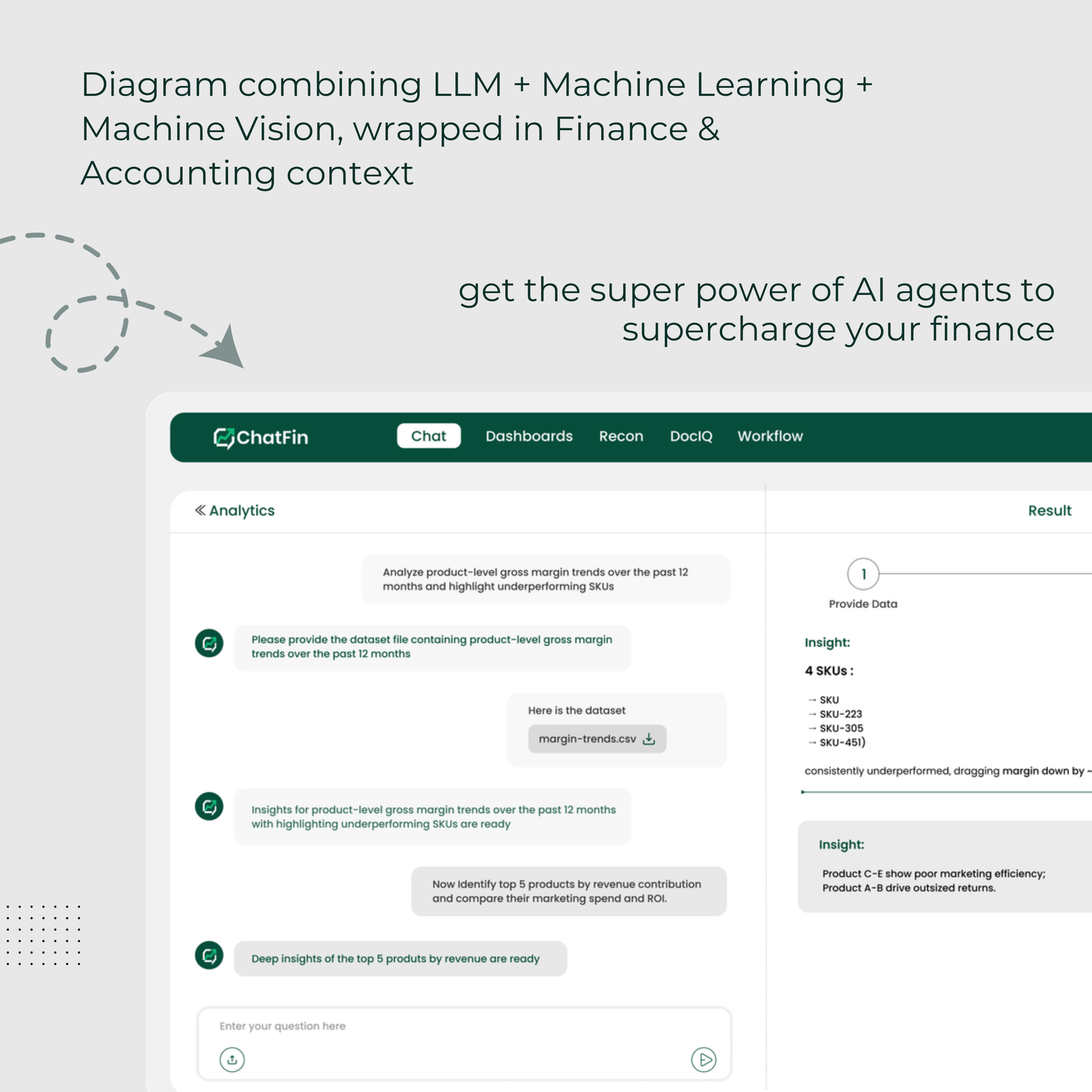
Finance is the biggest adopter for a reason
The banking, financial services and insurance sector leads IDP adoption, accounting for roughly a third of the market, driven by the sheer volume of complex documents: loan files, KYC forms, claims, financial statements and regulatory filings. Within the enterprise, finance and accounting is consistently the largest functional segment. The reason is simple: finance is where documents arrive in the most formats and where getting the extraction wrong is most expensive.
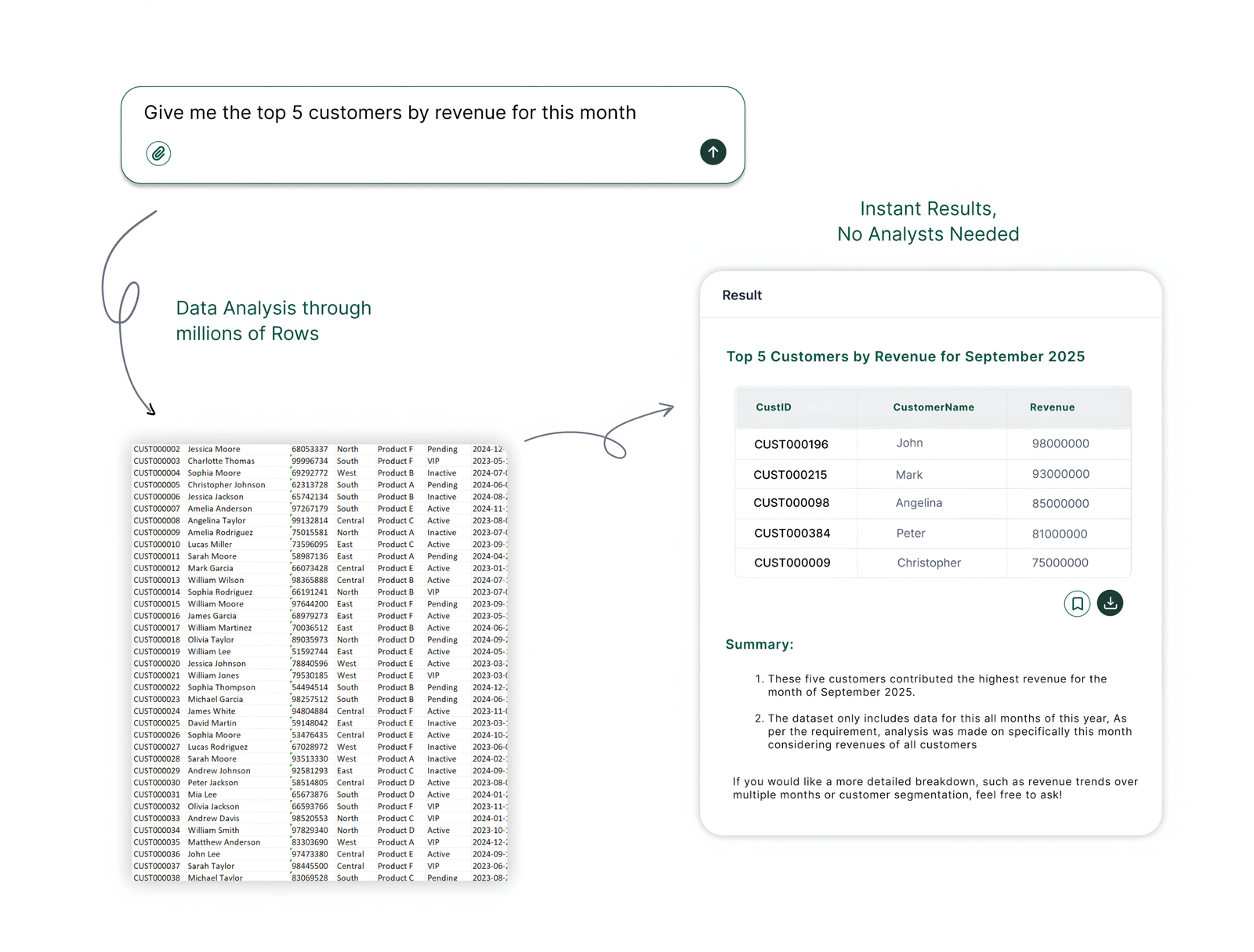
Matching names is the unglamorous part
A lot of document work in finance is deciding whether two differently written names refer to the same counterparty.
Figure out if it's Delta because it's Delta Air, Delta Airlines, Delta Inc in 10 different ways, AI can do that a lot quicker than you can.
Paul Barnhurst, on the AgentCFO podcast
Give the extraction step a clean vendor and customer list to match against. Accuracy improves before you tune anything else.
Extraction is only half the job
A number lifted off an invoice has no value until it lands in the ledger correctly coded. That is the difference between a strong extraction engine and a finance-grade document AI: the second one posts. When document understanding sits on the same layer as the automation and analytics agents, an incoming invoice is not just read, it is validated, coded, matched, and posted, with the audit trail attached, and nothing is stranded in a queue waiting to be re-keyed.
OCR that reads a document but cannot act on it is a scanner with better marketing. The value is in turning the document into a posted, audit-ready entry.
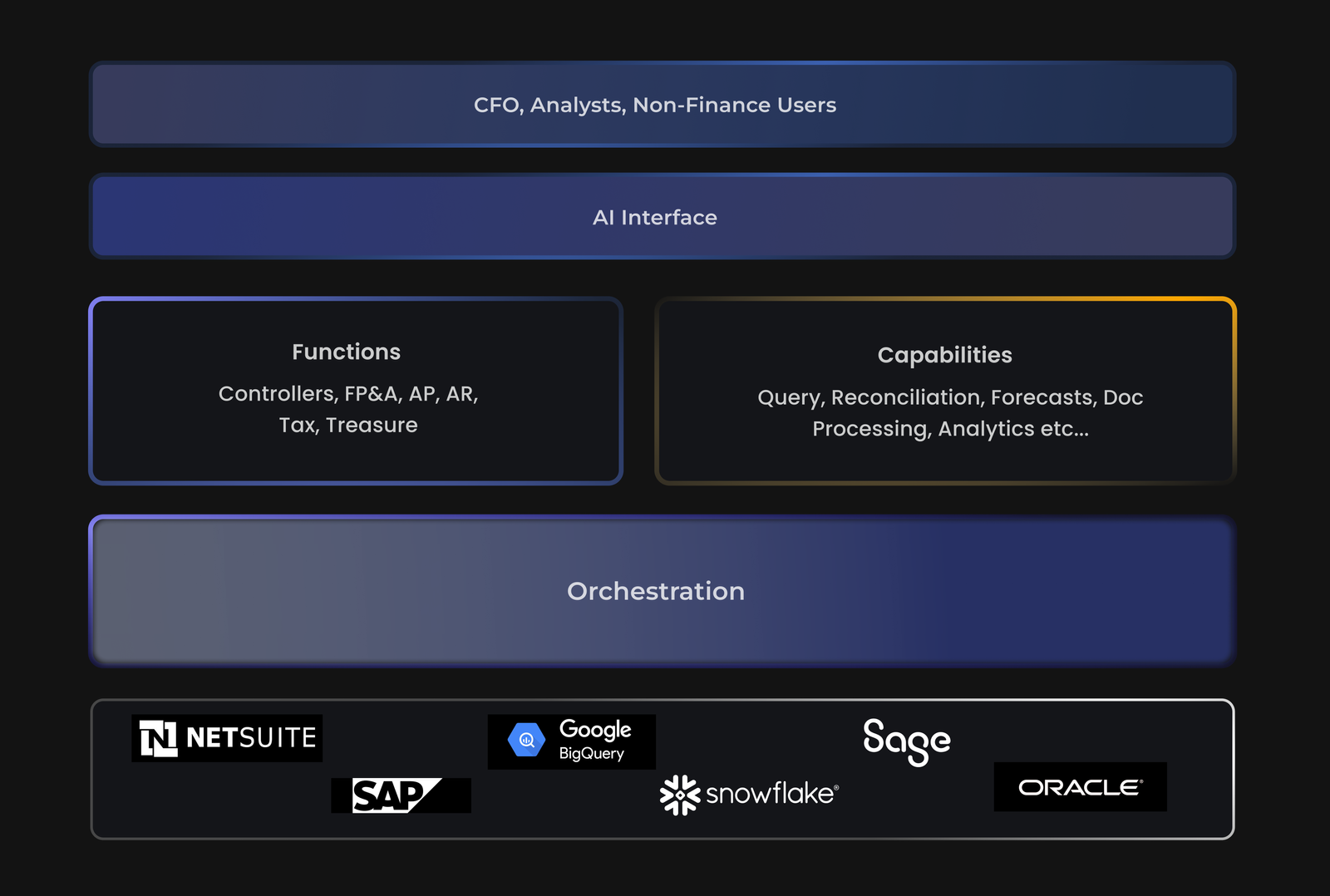
Turn Every Finance Document Into a Posted Action
ChatFin's document intelligence reads invoices, contracts and statements in any format, understands them with NLP, validates and codes the data, and posts it into your ERP, on the same layer as your close, AP and analytics agents, so extraction becomes action.
Document AI is only worth what it posts. ChatFin turns unstructured finance documents into structured, audit-ready entries inside your system of record.