
Multi Entity Consolidation Strategy: Automated Multi-Entity Finance
Multi-entity consolidation is complex. Most finance teams spend weeks consolidating results from dozens of entities manually. Consolidation best practices and purpose-built ERP systems reduce month-end close time by 60 to 70 percent. CFOs managing global organizations discover that consolidation-first ERP architecture scales efficiently as enterprises grow through acquisition or organic expansion.
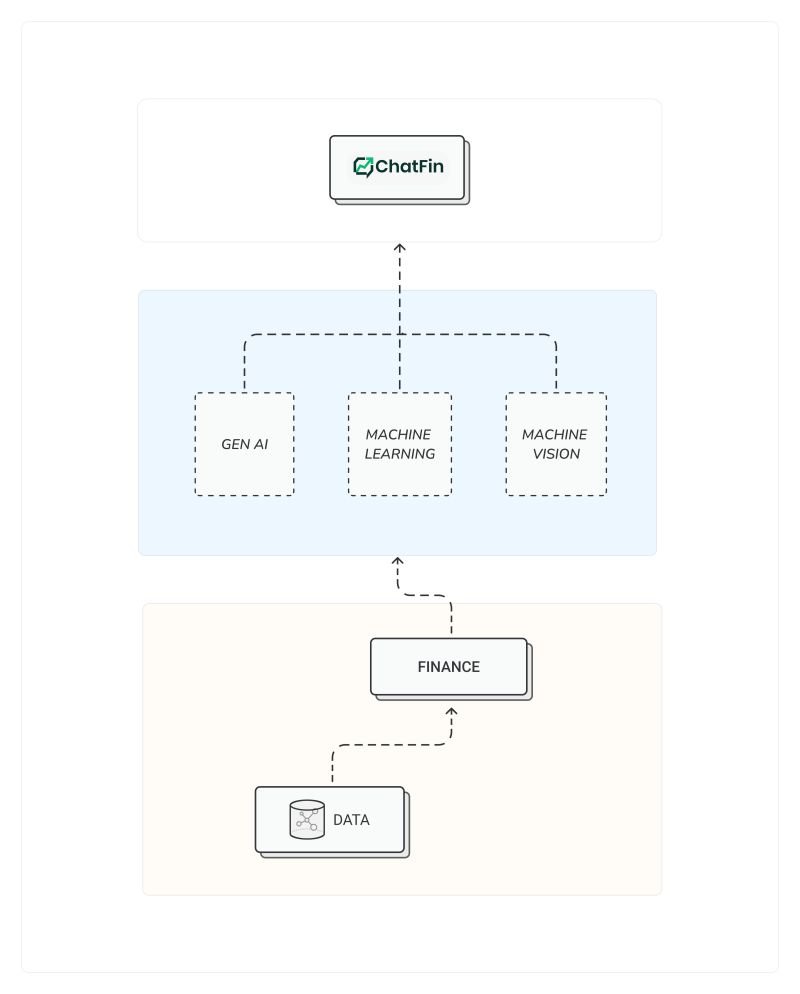
- Consolidation Architecture: Centralized ERP with multiple legal entities provides unified financial system. All entities report to central GL with consolidated reporting view and real-time visibility.
- Close Time Reduction: Consolidation-first ERP reduces month-end close time by 60 to 70 percent compared to spreadsheet-based consolidation. Multi-entity organizations close consolidated statements in days instead of weeks.
- Multi-Dimensional Reporting: Reporting by entity, geography, business segment, and other dimensions. Finance teams analyze consolidated results across all relevant reporting dimensions simultaneously.
- Intercompany Automation: ERP systems identify intercompany transactions automatically and eliminate them from consolidated results. Intercompany profit elimination happens systematically without manual entry.
- Currency Translation: Foreign subsidiaries translate from functional currency to reporting currency automatically. Translation adjustments flow to accumulated other comprehensive income appropriately.
- Audit Efficiency: Strong consolidation controls provide confidence in consolidated financial statements. External auditors spend less time validating consolidation calculations and more time on substantive audit work.
ERP for Multi-Entity Organizations: Consolidation Best Practices
Multi-entity organizations face complex financial consolidation challenges. ERP systems purpose-built for consolidation manage complexity efficiently. Finance teams using ERP consolidation scale to hundreds of subsidiaries without proportional increase in close cycle time. Consolidation best practices enable organizations to manage growth without operational complexity.
Multi-Entity Financial Architecture
Centralized ERP with multiple legal entities provides unified financial system. All entities report to central GL with consolidated reporting view. Subsidiaries operate within centralized system rather than maintaining separate systems. This architecture enables real-time consolidated visibility and eliminates manual consolidation work.
Alternatively, federated architecture has each entity on separate ERP system consolidating results centrally. Federated approach accommodates entities with different operational models or legacy systems that can't be retired quickly. However, consolidation is more complex with federated architecture and requires external consolidation tools or spreadsheet processes.
Entity Hierarchy and Consolidation Structure
Define organizational hierarchy showing parent and subsidiary relationships. Document ownership percentages for subsidiaries less than 100 percent owned. Consolidation structure mirrors organizational structure. ERP consolidation module recognizes entity relationships and applies consolidation rules accordingly.
Define consolidation center responsible for consolidated reporting. Consolidation center receives data from all entities. Consolidation center performs consolidation and publishes consolidated financial statements.
Intercompany Transaction Management
Track intercompany sales, services, and financing systematically. Intercompany AP and AR track amounts owed between entities. Intercompany profit elimination removes profits on transactions between consolidated entities. ERP identifies intercompany transactions and eliminates them automatically.
Create policies requiring intercompany transactions to be processed at transfer price. Proper transfer pricing prevents profit concentration in high-tax jurisdictions. ERP consolidation systems enforce transfer price policies and calculate transfer price profit.
Foreign Subsidiary Consolidation
Foreign subsidiaries operating in different currencies require translation before consolidation. Functional currency translation applies exchange rates at transaction date. Reporting currency translation applies period-end rates. ERP consolidation handles both translation methods.
Translation adjustments flow to accumulated other comprehensive income. ERP consolidation classifies translation adjustments correctly. Financial statements present translation adjustments appropriately in shareholders equity.
Acquisition Integration and Consolidation
Acquired companies integrate into ERP systems. Data migration brings acquired entity accounts and transactions into ERP. Acquisition accounting establishes fair value of acquired assets and liabilities. Goodwill and intangible assets recognized appropriately.
Post-acquisition purchase price allocation amortization posts through consolidated GL. Consolidation module tracks amortization of acquisition-related intangibles. Financial statements present acquisition impacts correctly.
Shared Services and Consolidation Centers of Excellence
Establish consolidation center of excellence for global organizations. Centralized consolidation team manages consolidation process globally. Rather than each region consolidating separately, central team consolidates all entities.
Shared consolidation services scale efficiently. Single consolidation team manages hundreds of entities. Manual effort for consolidation doesn't scale proportionally with entity count. Consolidation center efficiency improves as organization grows.
Consolidation Data Governance
Establish controls ensuring consolidated financial data accuracy. Subsidiary GL controls ensure subsidiary data quality. Central consolidation controls verify consolidation calculations. Segregation of duties prevents unauthorized consolidation adjustments. Strong controls reduce external audit effort by 25 to 35 percent because auditors gain confidence in the consolidation process.
Regular consolidation audits verify accuracy and appropriate application of GAAP. External auditors review consolidation process and key consolidation entries. Strong consolidation controls provide confidence in consolidated financial statements.
Reporting from Consolidation Systems
Consolidation systems produce consolidated financial statements automatically. XBRL rendering for public companies enables automated SEC filing. Consolidation reporting by geography and business segment requires dimensional GL.
Real-time consolidation reporting enables faster month-end close. Subsidiary data submitted enters consolidation automatically. Consolidated results available hours after final subsidiary submission rather than days of manual consolidation work.
Frequently Asked Questions
What is the best ERP architecture for multi-entity consolidation?
How much time does consolidation-first ERP save each month?
How does ERP handle intercompany transactions automatically?
How does ERP handle currency translation for foreign subsidiaries?
ERP Insight
"Multi-entity organizations that centralize ERP on consolidation-first platforms reduce consolidation close time by 70%."
This perspective from ChatFin's research reflects current best practices in ERP implementations and finance operations for 2026.
Key Takeaways
- ERP Operations requires careful planning and finance-first governance
- Cloud-based systems offer more flexibility and faster time-to-value
- Data integration and analytics amplify ERP value significantly
- Success requires alignment of technology, process, and people
Consolidation Efficiency Compounds as Organizations Grow
Consolidation-first ERP reduces close time, improves data quality, and provides real-time visibility. These benefits compound as organizations grow through acquisition or organic expansion. Organizations with 10 entities close consolidation 70 percent faster with ERP than with spreadsheets. Organizations with 100 entities gain even greater efficiency because consolidation workload scales without proportional increase in staff.
CFOs implementing consolidation-first ERP report two substantial benefits. First, month-end close completes in days instead of weeks. Second, consolidation teams redirect effort from manual consolidation tasks to analysis and control improvement work. These teams spend 60 percent more time on analysis and 80 percent less time on data collection and consolidation entry.
For multi-entity organizations managing 10 or more subsidiaries, the question is not whether consolidation-first ERP reduces close time. It demonstrably does. The question is whether your organization implements consolidation architecture in 2026 and gains competitive advantage through faster financial visibility, or whether you continue with spreadsheet-based consolidation while your competitors close consolidated results in two days.
ERP Insight
"Multi-entity organizations that centralize ERP on consolidation-first platforms reduce consolidation close time by 70%."
This perspective from ChatFin's research reflects current best practices in ERP implementations and finance operations for 2026.
Key Takeaways
- ERP Operations requires careful planning and finance-first governance
- Cloud-based systems offer more flexibility and faster time-to-value
- Data integration and analytics amplify ERP value significantly
- Success requires alignment of technology, process, and people