
AI STRATEGY
Model-Agnostic Finance: Why CFOs Should Never Hardcode a Single AI Vendor

In a single quarter of 2026 the market saw a frontier model suspended by regulation, a cheaper tier overtake last generation's flagship, and prices reset downward. A finance stack wired to one vendor absorbs all of that. A model-agnostic one does not.
- Model leadership, price and availability all shifted repeatedly through 2026, and none of those swings are within a customer's control.
- Hardcoding a single AI vendor means inheriting its price changes, capability gaps, deprecations and regulatory exposure.
- A model-agnostic layer treats the model as a swappable component behind a stable interface.
- The durable assets are your finance workflows, controls and audit trail, not the model of the month.
- ChatFin is model agnostic: the workflow and governance sit above whichever model runs the task.
The last year made a simple argument on its own. Models leapfrogged each other, a major model was suspended for weeks by export controls, and mid-tier options quietly became good enough for most work while costing far less.
Against that backdrop, wiring finance automation to one vendor is a bet that the vendor stays best, stays available and stays priced the way it is today. That is three bets, and 2026 lost all three at least once.
What you inherit when you hardcode one vendor
A single-vendor dependency quietly imports several risks into finance.

What a model-agnostic layer changes
The fix is to stop treating the model as the product. Build finance automation against a stable interface, and let the model behind it be swappable. When a better or cheaper option appears, you adopt it as a configuration change.
This also lets you route by task, sending volume to a cheap tier and hard reasoning to a stronger model, without re-engineering anything.
The assets that actually last
Models will keep changing. These do not, and they are where the value sits.
How ChatFin implements it
ChatFin puts the finance workflow and its governance above the model. The model is a component, chosen and routed behind the scenes, while the ERP stays the system of record and a person approves every write-back.
That means a price cut, a new leader or a suspension is something you take advantage of or route around, not something that stops the close.
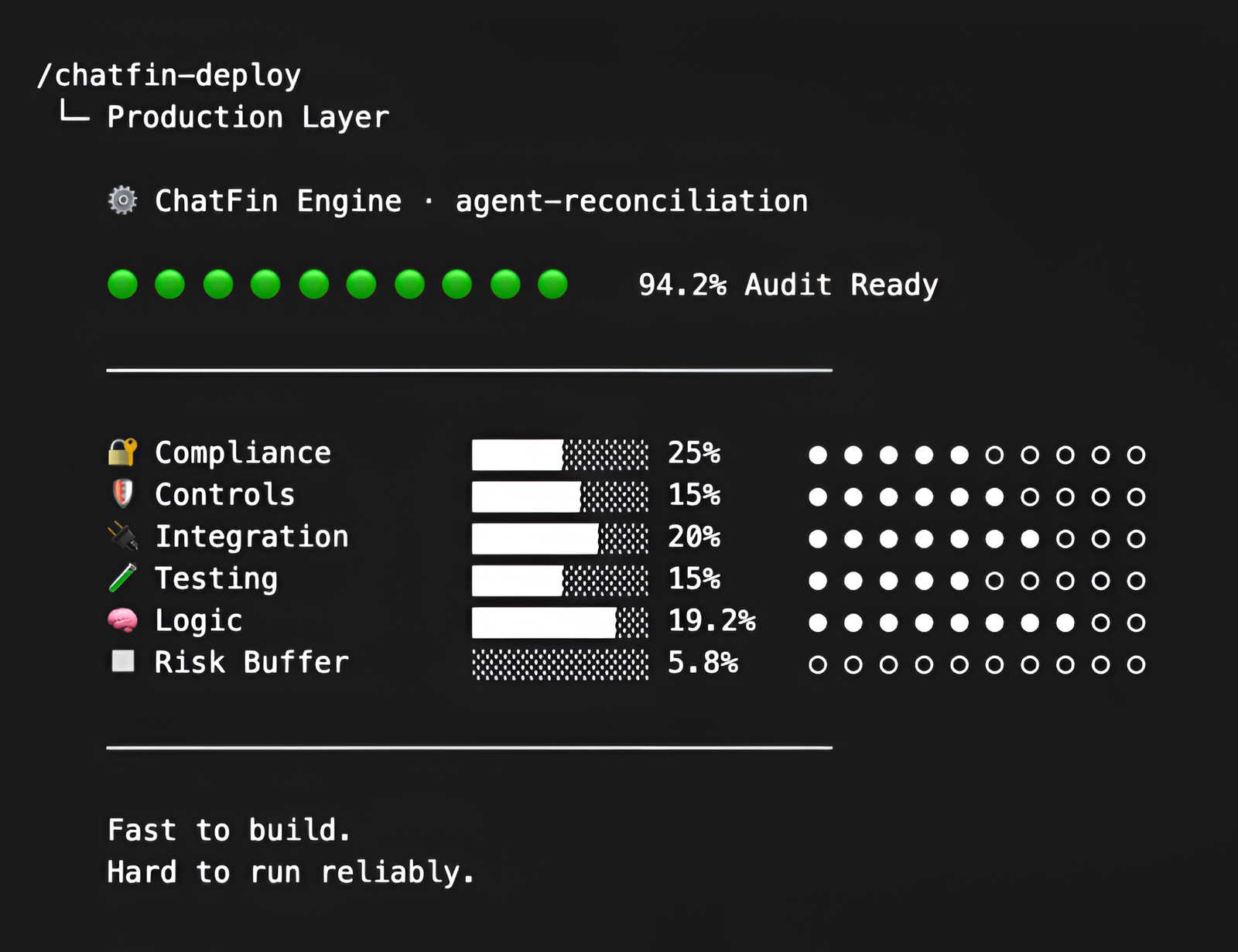
Do not treat the model as the product. Your workflows, controls and audit trail are the durable assets. The model is a swappable component.
Keep the Model Swappable
The safest response to a fast moving model market is to depend on none of them in particular. Build finance automation so the model can change without the process changing.
ChatFin is model agnostic, so you keep the leverage: adopt the best option, drop the worst, and never let a single vendor's roadmap dictate your close.