

Mandates Turn Invoice Data Quality Into Compliance
Electronic invoicing mandates turn invoice data quality into a compliance requirement with a date attached.
- Mandates apply machine validation to invoice data, so anything approximate in your master data becomes a rejection.
- The gaps are usually in customer and supplier registration details rather than in the invoice logic itself.
- Testing historical invoices against the required format shows the size of the problem before a deadline forces it.
- Rejections cluster by cause, so a small number of master data fixes typically resolves most of them.
- ChatFin tests invoice data against requirements, traces failures to source records, and monitors live submissions.
Electronic invoicing requirements have expanded across many jurisdictions, and they share a common characteristic: invoices must be submitted in a defined structure and are validated automatically.
The technical connection is usually handled by a service provider. What no provider can fix is data that was never captured, because the field was optional in your ERP and nobody needed it before.
This page covers why master data is the real readiness question, how to size the problem before a deadline, and how a governed agent can keep submissions clean once mandates apply.
The connection is the easy part
Service providers handle transmission, format conversion and network connectivity, and that part of a project is well understood.
What they cannot supply is a customer's registration identifier, a valid address structure, or a unit of measure that maps to the required code list. Those come from your own records.
Size the problem before the deadline
Running historical invoices through the required validation produces a clear number: how many would have been rejected and why.
That converts a compliance project from an assumption into a data remediation task with a known scope, which is a much easier thing to plan and resource.
It also tends to reveal that a small number of customer records account for a large share of the failures, which makes the first phase of remediation obvious.

Fields that were optional become mandatory
Invoice data lives across the customer master, the item master and the transaction itself, and much of it was optional when your ERP was configured. A mandate makes specific fields mandatory and machine validated, which turns tolerable data gaps into rejected invoices.
What the agent needs to see
Ledger detail from the ERP, plus issued invoices and their data fields taken from the source they arrive in, read through the API surface your ERP already exposes rather than the database.
What it should be allowed to do
Prepare a data remediation list and a submission exception report and leave it for the finance systems lead to approve. Reading widely and writing narrowly is the line that keeps this safe.
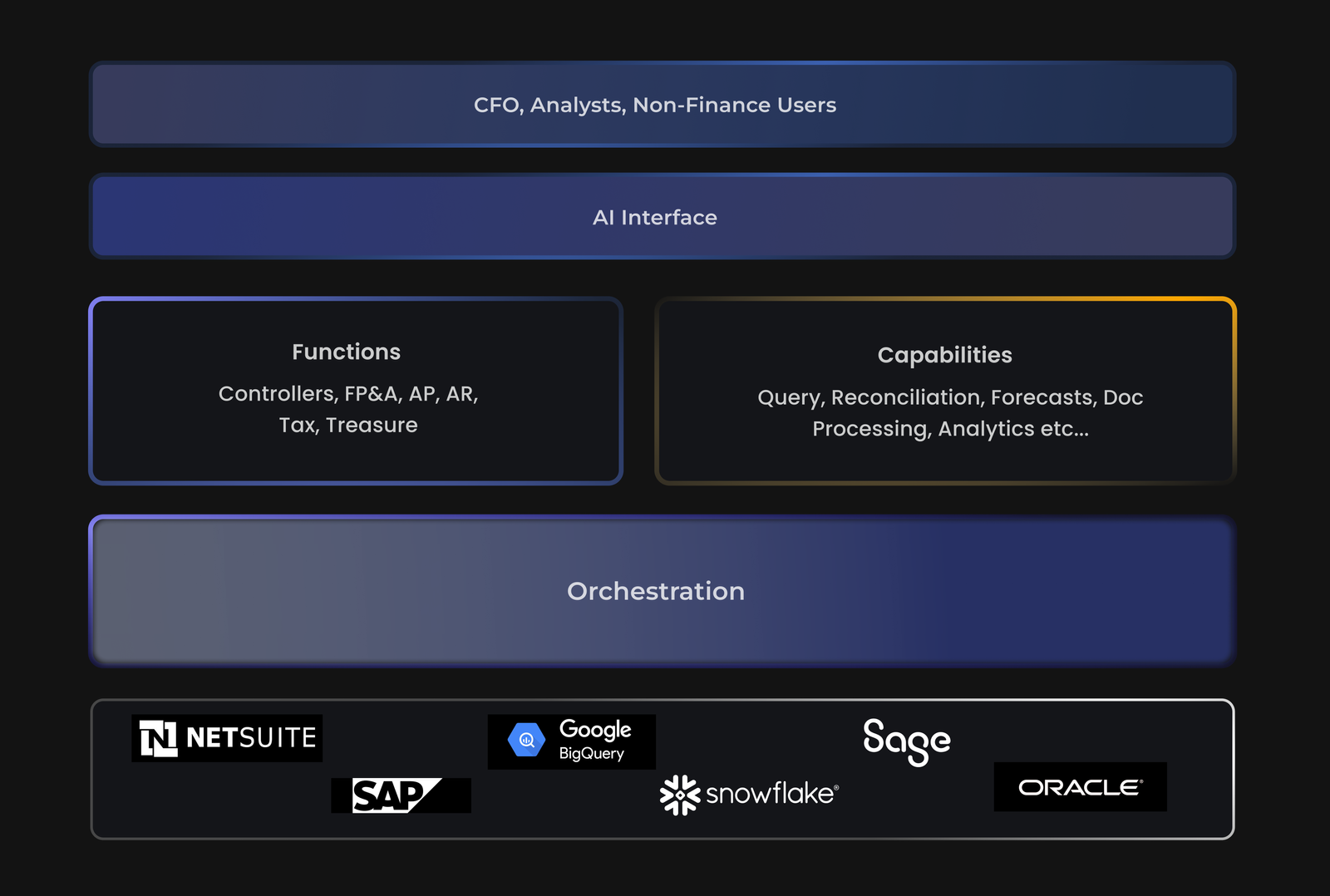
That division matters more than which model sits underneath. An agent that can read issued invoices and their data fields, customer and supplier registration details and rejection and status messages while posting only through the validated path a person uses gives you the coverage without handing over the ledger, and ChatFin works that way on every ERP it connects to.
After go live, watch the rejections
Once submissions are live, rejection messages arrive per invoice and are usually handled by resubmitting after a manual fix.
Grouping them by cause changes the response from repetitive correction to a source fix, because the same master data record is typically behind many rejections.
Fix and resubmit
Each rejection corrected individually while the underlying record stays wrong.
Fix the record
The source record corrected once, which prevents every future invoice from failing the same way.

Requirements differ and they keep moving
Formats, timing and scope vary by jurisdiction, and requirements have changed repeatedly as programmes have been phased in and adjusted.
The stable part is the underlying discipline: complete, structured, validated invoice data. Investing there is useful regardless of how a specific mandate evolves.
Confirming the current requirements that apply to you is a question for your advisors and your service provider, and it is worth re-checking rather than assuming a previously understood timeline still holds.
A rejected invoice is an unpaid invoice
Where a mandate applies, an invoice that fails validation may not be a valid invoice at all, which affects both your customer's ability to pay and your own tax position. Remediation is prepared as a data fix list and applied through the normal change process rather than silently.
The record kept against e-invoicing readiness is deliberately plain: the issued invoices and their data fields the agent read, the reasoning it applied, the draft it produced, what the finance systems lead changed, and the moment it posted. That is the trail an auditor asks for, and it is assembled while the work happens rather than reconstructed afterwards.
The wider argument for that design sits in why accuracy beats autonomy and the autonomous finance maturity model.
A is prepared, reviewed and approved before it posts, and every step is logged from the source document to the entry. data remediation list and a submission exception report
How ChatFin runs readiness
Historical invoices are tested against the required data structure to find gaps before a deadline rather than after the first rejection. Once live, rejection messages are grouped by cause so a systemic data problem is fixed once instead of resubmitted repeatedly.
It connects to the ERP, the e-invoicing service provider and the customer and supplier masters through the interfaces those systems already expose, which keeps the security review short and the setup measured in days rather than quarters.
Test invoices against the format
Recent invoices validated against the required fields, structures and code lists.
Trace gaps to master data
Failures traced to the customer, supplier or item records that produce them.
Produce the remediation list
Records needing correction prioritised by how many invoices each one affects.
Monitor live submissions
Rejection and status messages grouped by cause so recurring failures are fixed at source.
A first run is usually read only against a period you have already closed, so you can compare what the agent found against what your team found before anything is trusted with a data remediation list and a submission exception report.
The connection is built once. Whether you run NetSuite, SAP Business One, Acumatica or another supported system, the next agent reuses it and the same approval step.
A service provider can transmit your invoice. It cannot invent the registration number you never captured.
ChatFin
Frequently Asked Questions
Does this replace an e-invoicing service provider?
No. Providers handle transmission, format conversion and network access. This addresses the data quality that determines whether what you transmit passes validation, which is the part that stays your responsibility.
How do we know which requirements apply to us?
That depends on your jurisdictions, entity structure and customer base, and requirements have changed repeatedly during phased rollouts. Confirm the current position with your advisors and provider rather than relying on a previously understood timeline.
Can it fix master data automatically?
It produces a prioritised remediation list traced to the records causing failures, ordered by how many invoices each affects. Changes to master data go through your normal change process with a person approving.
This page is general information about finance operations and software, not legal, accounting, or tax advice. Confirm treatment for your own entity with your advisors.
Find the rejections before a mandate does.
ChatFin validates your existing invoices against the required structure, traces every failure back to the master data record behind it, and prioritises remediation by impact.
Once live, rejection messages are grouped by cause so the same record does not fail every invoice it touches.
Book a DemoSee how many of your invoices would pass validation.
Bring a month of issued invoices with the customer master behind them. We will show which would fail, why, and which records to fix first.