
How Self-Reporting Will Change Finance Function
Self-service reporting transforms how finance teams access data and generate insights. Learn how implementing self-serve capabilities reduces report creation time, improves data comprehension, and builds a data-driven culture.
Faster Insights
Finance teams reduce time to create new reports and gain insights significantly.
Data Democracy
Breaking data silos by democratizing data access across the organization.
Process Over Tech
Success depends more on governance and process than the technology platform.
Data-Driven Culture
Enables evidence-based decision making throughout the organization.
Understanding Self-Service Reporting
Self-service reporting enables users to access data and generate reports without technical support. Traditionally, finance teams relied on IT teams to query data, creating bottlenecks and delays.
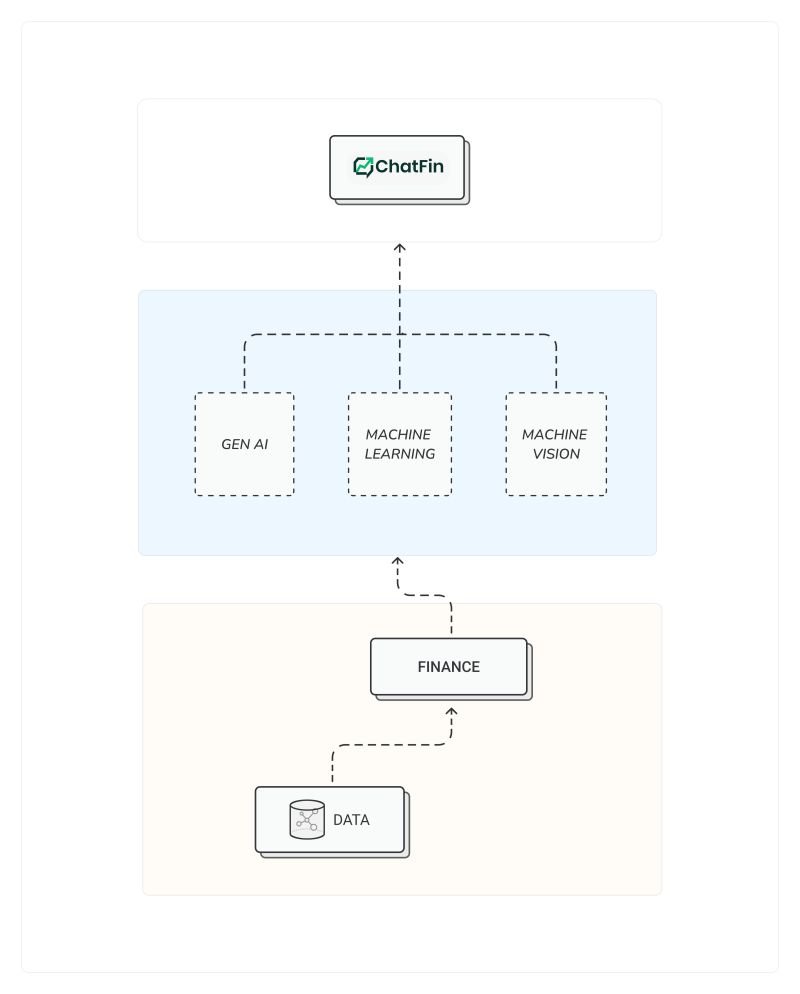
Who owns the data layer
Self service works when someone owns the definitions underneath it, and in many companies that owner sits inside finance.
I've seen FP&A teams that own data and BI and it can be structured so different.
Paul Barnhurst, on the AgentCFO podcast
Name the owner of each shared metric before you open the reports up, or you will spend the saved time explaining discrepancies.
The Benefits of Self-Serve Reporting
- Reduced time: Finance teams create new reports and insights faster without IT bottlenecks.
- Better comprehension: Improved financial data understanding throughout leadership levels.
- Discrepancy detection: Quickly identify data inconsistencies and achieve single source of truth.
- Data democratization: Breaking silos by enabling broader data access across teams.
- Evidence-based decisions: Developing a data-driven culture with confidence in data quality.
Key Requirements for Success
Implementing self-serve reporting requires more than just technology. Success depends on transforming how you capture, control, and query data.
1. Simplified Data Access Controls
For financial data, access control is crucial for SOX compliance. Controls, approvals, and audit processes must be built in. Balance the need-to-know principle for security with the open access required for exploration and experimentation.
2. Organizing Financial Data
Financial data must be structured to handle various types: transactions, balances, and forecast adjustments. Bringing all data to one location—like a data lake—enables easier access, control, and report generation.
3. Training in Report Creation
Finance departments require training on self-reporting tools like Excel plugins, Power BI, and Tableau. Users also need knowledge of query languages like SQL for data mining and quick visualization of insights.
4. Technology Enablement
Numerous platforms support report creation and data storage. Vet technologies based on user learning curve and cost of operation, ensuring they support data quality and availability.
How Self-Reporting Changes Finance
Once self-service reporting becomes standard, it fundamentally changes data consumption. Finance departments have historically displayed data in tabular, raw formats. Interactive dashboards make it easier to display insights and trends meaningfully.
Analysts spend less time on data mining and more time on discussion and course correction. With access to all key data points, finance users can apply statistical models and predictions. Real-time reporting, once streamlined, boosts the frequency of insight generation and decision-making.
Conclusion
Finance departments becoming more analytical requires access to the right data at the right time. Investing in enterprise data management strategies enables finance teams to embrace future opportunities and drive business impact.