
Financial Business Intelligence with AI: Decision Intelligence and Real-Time Insights
By the end of 2026, nearly 94% of financial services firms will have pilots or deployments of generative AI running in core business functions. The strategic shift is from "how do we optimize costs?" to "how do we optimize decisions?" Decision intelligence is now the top investment priority for 60% of organizations planning AI in 2026.
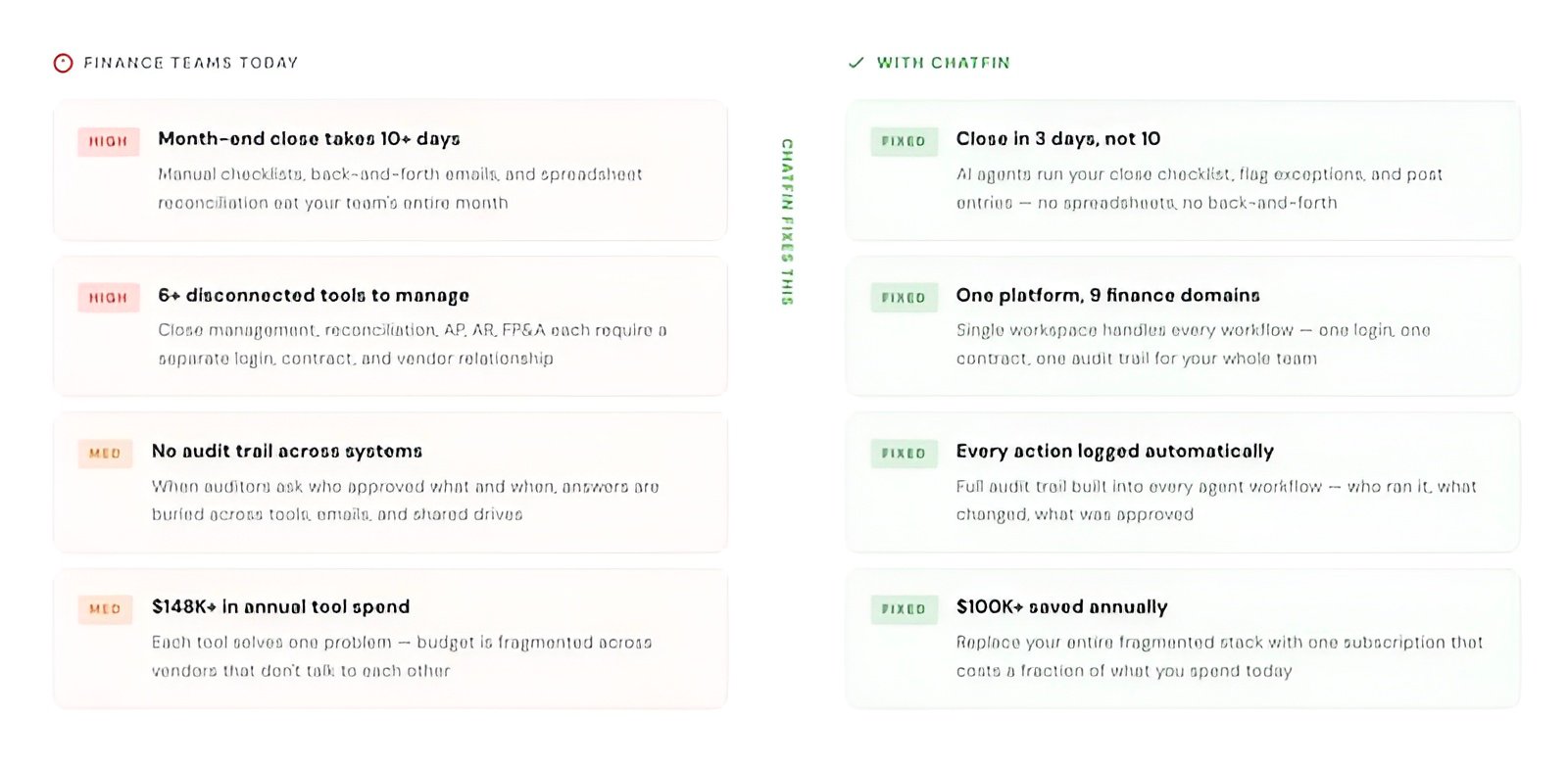
- Ubiquitous Adoption 94% of financial services firms piloting or deploying AI in core business functions by end of 2026.
- Decision Intelligence Priority 77% of senior decision-makers say decision intelligence will be very valuable. 60% prioritizing AI for decisioning in 2026.
- Cost Reduction Impact AI-driven automation could reduce operating costs by up to 20% for institutions that successfully operationalize it.
- Operational Efficiency 62% of organizations report operational efficiency improvements with 30%+ reduction in manual intervention and faster processes.
- Always-On Governance AI agents monitor reconciliations, variance analysis, compliance checks, and intercompany accounting continuously without human prompts.
Financial business intelligence has historically been backward-looking. BI teams build dashboards showing what happened last month. Finance teams analyze results and explain variances. In 2026, financial BI is becoming forward-looking and autonomous. AI agents monitor activity continuously, surface anomalies instantly, and recommend decisions automatically.
From Reactive Reporting to Proactive Decision Intelligence
The shift from "business intelligence" to "decision intelligence" is profound. BI answers "what happened?" Decision intelligence answers "what should we do?" and acts on that recommendation automatically within predefined boundaries.
This changes the role of finance teams. Instead of spending time explaining what happened, teams spend time making better decisions about what should happen next.
The Economics of Decision Intelligence
Organizations deploying AI decision intelligence achieve measurable economic benefits:
What Decision Intelligence Actually Means in Finance Operations
Decision intelligence is not just dashboards or alerts. It is autonomous agents making real decisions within guardrails. In 2026, AI agents are:
Reconciling Transactions. AI agents match intercompany transactions, identify exceptions, and escalate items requiring human judgment. Reconciliation moves from monthly batch process to continuous real-time operation.
Analyzing Variances. AI agents analyze budget vs. actual, identify root drivers, and recommend corrective actions. Finance teams focus on whether recommendations are sound, not on calculating variances.
Compliance Monitoring. AI agents monitor control objectives, track compliance metrics, and flag violations or emerging risks. Compliance monitoring moves from periodic audits to continuous monitoring.
Intercompany Accounting. AI agents automatically process and eliminate intercompany transactions, manage intercompany pricing, and ensure arm-length compliance. Weeks of manual work move to minutes of automated operation.
"Tasks such as reconciliations, variance analysis, intercompany accounting and compliance checks will increasingly be handled by always-on AI agents that monitor activity, surface risks, propose resolutions and execute safely within predefined boundaries." - Databricks Financial Services AI Trends 2026
Governance and Control in Decision Intelligence
The critical question for controllers is: "How do we trust AI agents to make decisions on our behalf?" The answer is governance:
Decision Intelligence is the Frontier of Finance AI in 2026
Organizations shifting from "How do we explain what happened?" to "How do we optimize what happens next?" will capture the real value of AI in finance. Decision intelligence enables continuous optimization, faster adaptation, and operational excellence.
The finance function is shifting from reactive explanation to proactive optimization. Organizations embracing this shift will have significant competitive advantage.
ChatFin: Decision Intelligence for Finance Operations
ChatFin's agentic AI agents provide decision intelligence across reconciliation, variance analysis, compliance, and intercompany accounting. Controllers define decision policies. AI agents execute them continuously. Finance teams focus on exceptions and strategy.