

Demurrage Charges Are Not Freight
It appears as a line on a freight invoice and posts to freight expense. It is actually a penalty for time, it is often disputable, and coding it as transport hides the operational problem causing it.
Demurrage is a charge for keeping equipment or cargo at a terminal beyond the free time allowed. Detention is the equivalent charge for holding the equipment outside the terminal. Both arrive on freight invoices and are routinely coded to freight expense, which is wrong on two counts: they are penalties for elapsed time rather than transport cost, and coding them that way removes the signal that would let operations fix the cause.
- Demurrage and detention are time penalties, not transport charges. Coding them together destroys the information needed to reduce them.
- A meaningful share is disputable, because free time calculations depend on dates that are frequently recorded incorrectly.
- Disputes have short windows. Charges found during a quarterly review are usually already time barred.
- The right cost owner is the function that caused the delay, not the logistics budget that received the invoice.
- ChatFin isolates these charges from freight invoices, tests the free time calculation against the milestone dates, and prepares the dispute and the correct coding.
A container sits at a port for four days longer than the free time allowed. Six weeks later a charge appears as one line among many on a carrier invoice, gets approved with the rest, and posts to freight expense.
Three things have now gone wrong. The company has paid a charge it may not owe, because free time calculations depend on gate in and gate out dates that are recorded by third parties and are wrong more often than anyone assumes. The cost sits in a transport account where it is invisible as a category. And the operational cause, which might be a customs document, a warehouse appointment or a chassis shortage, receives no signal at all.
This page covers what these charges actually are, why they are disputable more often than teams expect, how the coding decision affects behaviour, and how to build a review that fits inside the dispute window.

What the charges actually are
The terms are used loosely in conversation and precisely in contracts, and the distinction determines who owes what and against which free time allowance.
| Demurrage | Charged when cargo or equipment remains at the terminal beyond the free time allowed, accruing per day |
| Detention | Charged when equipment is held outside the terminal beyond the allowed period, for example a container at a warehouse |
| Per diem | Used interchangeably with detention in some markets, particularly for chassis and inland equipment |
| Storage | A terminal charge for cargo occupying space, sometimes billed separately from demurrage and sometimes not |
| Free time | The allowance before charges begin, defined in the contract and varying by port, carrier and equipment type |
Free time is the variable that matters most and the one most often assumed rather than checked. It differs by trade lane, by carrier agreement and sometimes by individual booking, and it can be affected by port closures, holidays and declared force majeure events.
Why more of it is disputable than teams assume
The charge is calculated from dates. Those dates come from terminal systems, carrier records and gate transactions, and they are recorded by parties with no particular incentive to record them in your favour.
Wrong dates
Gate in and gate out timestamps that do not match your own records or the delivery evidence. The most common and most winnable dispute.
Free time misapplied
The wrong allowance used for the lane, the equipment type or the specific contract. Frequently the standard tariff applied where a negotiated allowance existed.
Non working days counted
Weekends, public holidays and terminal closures included in the elapsed calculation when the agreement excludes them.
Cause outside your control
Port congestion, customs holds, carrier equipment shortages and declared disruption events, many of which carry contractual relief.
Ground one alone justifies a review process. Comparing the carrier's claimed dates against your own receipt and delivery evidence is a mechanical test, and where they disagree the charge is at least questionable.

The coding decision changes behaviour
Where these charges post determines whether anything improves. Coded into freight expense, they are indistinguishable from transport cost and the logistics budget absorbs them as a rate variance. Nobody in operations sees a consequence.
Coded to a distinct account and attributed to the cause, they become a measurable operational cost with an owner. The customs delay shows against the trade compliance function, the appointment failure against the warehouse, the documentation error against order management.
The fourth point deserves an explicit policy. Whether a penalty for delay belongs in the cost of inventory is a judgement, and applying it inconsistently across periods or entities creates a comparability problem that surfaces at audit.
The visibility tools and what they leave out
Supply chain visibility platforms have improved this area substantially. project44 and similar tools track container milestones in near real time and can alert on approaching free time expiry, which is prevention rather than recovery. Descartes and e2open cover trade documentation and customs, and freight forwarders such as Flexport provide their own visibility layers.
What these do well is tell you a container is approaching free time expiry. What they generally do not do is validate the charge that arrives six weeks later against the milestone dates they themselves recorded, or reconcile it to the accrual, or route the dispute. The visibility data and the invoice line rarely meet.
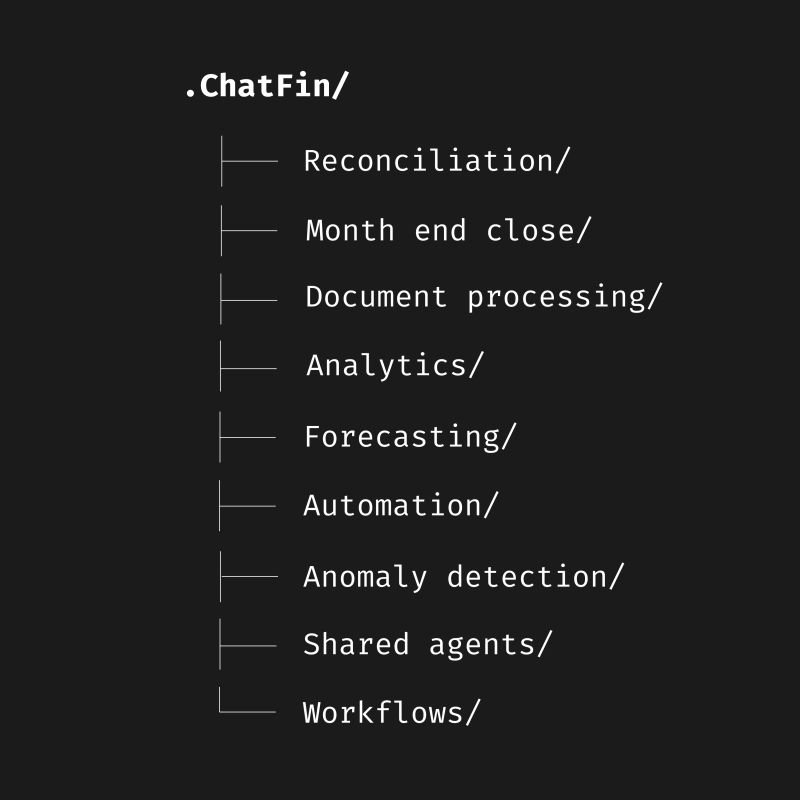
Bringing the invoice line and the milestone evidence together is a document and matching problem, which is the combination ChatFin handles across ChatFin use cases.
Working inside the dispute window
Dispute windows for these charges are typically short and vary by carrier and terminal. A quarterly review will find charges that can no longer be challenged, which converts the exercise from recovery into reporting.
| Detection | At invoice receipt rather than at period end, since the clock starts when the invoice is issued |
| Evidence | Your own gate, receipt and delivery records against the carrier's claimed dates, assembled per charge |
| Contract terms | The free time allowance actually applicable to that lane and booking, not the standard tariff |
| Submission | Within the carrier's stated window, with the evidence attached rather than as an assertion |
| Tracking | Open disputes followed to conclusion, since a submitted dispute with no follow up is a paid charge |
Detection at invoice receipt is the whole game. It requires the charges to be identified as they arrive rather than found during a review, which means reading the invoice line detail automatically rather than approving the total.
How ChatFin isolates and validates the charges
ChatFin reads carrier and forwarder invoices at line level, including the PDF and spreadsheet formats these typically arrive in, and identifies demurrage, detention, per diem and storage lines separately from transport charges as the invoice is received rather than after it is paid.
The autonomous reconciliation agent then tests each charge against the milestone and receipt evidence in your own records: the dates you hold, the free time allowance in the applicable agreement, and the working day treatment. Charges that fail any test are flagged with the specific ground. The pattern recognition agent reports recurring charges by lane, port and cause so prevention has something to work with.
| Document processing | Reads carrier invoices at line level and separates time based charges from transport |
| Contract intelligence | Extracts the free time allowance and working day terms applicable to the lane and booking |
| Reconciliation agent | Tests claimed dates against your own gate, receipt and delivery evidence |
| Pattern recognition | Reports recurring charges by lane, port and cause to support prevention |
| Governed write back | Prepares the dispute pack, the accrual and the corrected coding for a person to approve |
Disputes are drafted with the evidence attached and submitted by a person, and the corrected coding entry follows the same governed approval route as any other posting, which keeps both the commercial and the accounting decision with your team.

A first pass over last quarter
Even where the dispute window has closed, a retrospective pass is worth running once because it sizes the problem and identifies the causes.
Extract the charges from freight invoices
Line level extraction across the quarter. Most teams have never seen the total as a category, and the number is usually larger than expected.
Test the dates on a sample
Compare claimed gate dates against your own records for the largest charges. The failure rate on this test tells you whether ongoing validation is worth building.
Attribute by cause
Customs, documentation, warehouse, carrier or congestion. This is what converts a cost line into an operational agenda.
Move detection to invoice receipt
Nothing recoverable comes from a quarterly review. The process only pays once charges are identified as invoices arrive.
The third step tends to be the one that changes things, because it converts an accepted logistics cost into a specific operational failure with an owner and a fix.
Coded into freight expense, a penalty for delay becomes a rate variance. Nobody in operations ever learns that the delay had a price.
ChatFin
Frequently Asked Questions
What is the difference between demurrage and detention?
Demurrage is charged when cargo or equipment stays at the terminal beyond the free time allowed. Detention, sometimes called per diem, is charged when the equipment is held outside the terminal, for example a container kept at a warehouse for unloading. Both are penalties for elapsed time rather than charges for transport, and both accrue daily once the applicable free time is exhausted.
Can demurrage charges be disputed?
Frequently, yes. The most common ground is incorrect dates, since gate in and gate out timestamps come from terminal and carrier systems and can be tested against your own receipt and delivery evidence. Other grounds include the wrong free time allowance being applied, non working days counted when the agreement excludes them, and delays caused by congestion, customs holds or carrier equipment shortages where the contract provides relief.
Should demurrage be coded to freight expense?
It is better coded to a distinct account with a cause code attached. Coded into freight, it is indistinguishable from transport cost and is absorbed as a rate variance, which means the function that caused the delay never sees a consequence. Coded separately and attributed to the cause, it becomes a measurable operational cost with an owner. Whether it forms part of landed cost is a separate policy decision that should be made explicitly.
How does ChatFin identify demurrage on a freight invoice?
ChatFin reads carrier and forwarder invoices at line level in the formats they arrive in, and separates demurrage, detention, per diem and storage lines from transport charges at the point the invoice is received. It then tests each charge against the free time allowance in the applicable agreement and against the dates in your own records, and prepares the dispute pack and the corrected coding for a person to approve.
See ChatFin isolate time based charges from your freight invoices.
ChatFin reads carrier invoices at line level, separates demurrage and detention from transport, and tests each charge against the applicable free time and against the dates in your own records.
The dispute pack and the corrected coding entry are prepared with the evidence attached, for a person to approve before anything is submitted or posted.
Book a DemoBring a quarter of carrier invoices.
ChatFin will extract the time based charges, test the dates against your records, and show the disputable proportion with the ground identified for each.