
The Controller of 2026: From Gatekeeper to Architect of Autonomous Finance
Controllers are no longer transaction gatekeepers. In 2026, Deloitte's research shows they are becoming architects of autonomous finance systems. Here is what is changing about the controller role and what skills matter now.
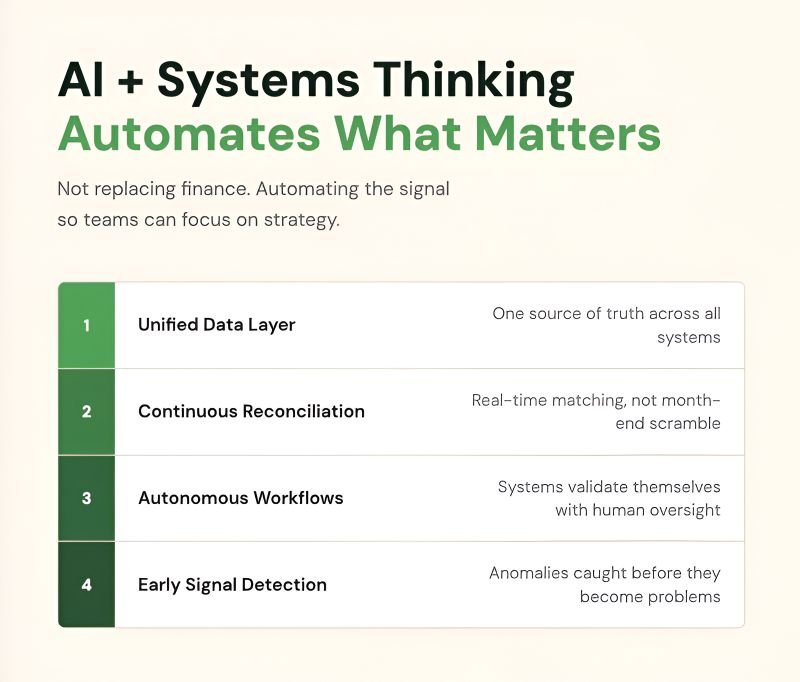
- Strategic Evolution Controllers shift from operational control to strategic architecture of finance processes and AI systems.
- Lights Out Finance Deloitte's "Lights Out" model shows touchless, end-to-end operations are the 2026 target for leading companies.
- Automation Impact Close cycles compress from 10 days to nearly zero days with AI agents handling reconciliation and posting.
- New Skill Set Process design, data literacy, tech fluency, and strategic judgment now matter more than transaction processing speed.
- Governance Role Controllers become chief compliance officers for AI agent behavior, ensuring autonomous systems stay within policy bounds.
The controller role is at an inflection point. For decades, controllers have been gatekeepers—approving transactions, enforcing controls, ensuring nothing is wrong. In 2026, the controller role is shifting to architect. Controllers are designing autonomous finance systems, orchestrating AI agents, and serving as the chief governance officer for how finance operates when humans are not involved.
From Gatekeeper to Architect
Deloitte's research shows that controllership has reached an inflection point. Roles are changing, organizational influence is increasing, and operation models and technology are shifting at a rapid pace. Controllers are evolving from stewards of controls to architects of autonomous finance operations.
What changed? Automation. When AI agents can perform 95% of routine transactions automatically, the controller's job is no longer to process transactions. It is to design the systems that allow agents to process them safely. It is to ensure that autonomous agents stay within policy bounds. It is to catch the exceptions that agents cannot handle.
Lights Out Finance: The 2026 Target
Deloitte introduced the concept of "Lights Out Finance"—finance operations that are so automated that they could run without human intervention during non-business hours. Agents reconcile accounts, post journal entries, generate disclosures, and report results. The controller's role shifts from doing the work to ensuring the work is done correctly.
But this is not about eliminating controllers. Companies that reach Lights Out Finance do not reduce finance headcount proportionally. Instead, controllers are freed from execution work and redeployed to strategic work. They focus on:
The Skills the New Controller Needs
Traditional controllers were experts at accounting rules, transaction processing, and control design. The new controller needs different skills. According to PwC and Deloitte research, the new controller needs:
"Controllers that have moved to autonomous finance operations are no longer explaining what happened. They are designing how the business operates and ensuring that design is sound, compliant, and continuously improving." - Deloitte Finance Trends 2026
The Controller as Chief Governance Officer
With automation comes responsibility. Controllers in 2026 are becoming the chief governance officers for autonomous finance systems. They answer the question: "How do we ensure that AI agents are acting within policy and regulatory bounds?"
This is a new skill. It requires understanding:
Opportunity: Only 60% of Finance Professionals Are Using AI
Here is the opportunity hidden in the 2026 data: 60% of finance professionals are still not using AI. This is not lag in adoption. This is a competitive advantage waiting to be captured.
Controllers who adopt autonomous finance systems in 2026 will:
Compress close cycles from 10 days to nearly zero. When agents handle reconciliation, variance analysis, and posting, the close happens as transactions occur, not after the fact.
Improve control quality. Agents monitor every transaction in real-time. No transaction slips through because someone was busy. Control effectiveness increases as control frequency increases.
Free skilled talent for strategic work. Controllers are no longer gatekeepers. They are business partners who understand the business and can shape strategy.
The Controller is Evolving, Not Disappearing
The question "Will AI replace controllers?" misses the point. The real question is "What will controllers do when AI handles routine transactions?" The answer: they will architect the systems that enable autonomous finance and govern them to ensure they operate safely and in service of business strategy.
Controllers that view themselves as architects of autonomous systems—and invest in the new skills required—will have significantly more organizational influence and strategic impact in 2026 and beyond.
ChatFin: Built for the Controller of 2026
ChatFin is designed with the controller of 2026 in mind—not as a replacement for controllers, but as a governance and architecture partner. ChatFin's agentic AI automates finance execution while providing controllers with complete visibility and control over how autonomous systems operate. Controllers design once, audit continuously, and focus on what matters: ensuring finance systems are aligned with policy, strategy, and governance requirements.
With ChatFin, controllers can architect "Lights Out Finance" operations while maintaining oversight and governance. The platform provides:
Learn more: Autonomous Finance Governance: How to Control Systems You Cannot Monitor in Real-Time
Additional resource: Skills Controllers Need in the AI Era: From Process Expert to System Architect