
Best AI Agents for Epicor and Infor ERP Users
Epicor Prism and Infor GenAI add native assistance, and both expose REST APIs. Here is what they cover, where they stop, and how a cross-module agent layer fits on top.
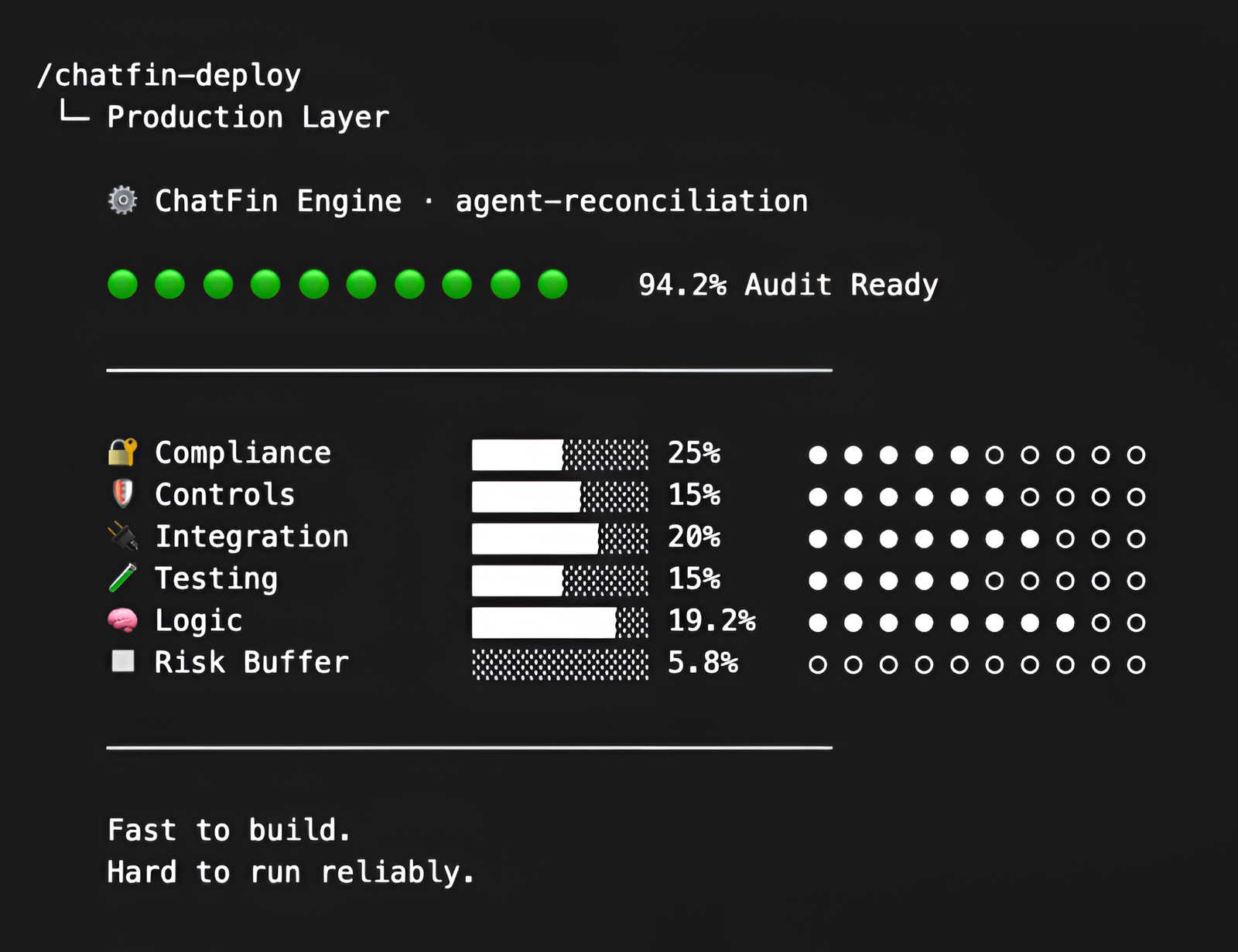
- Epicor ships Prism and Infor ships GenAI capabilities, both adding native assistance, and both expose REST APIs. Enable the native assistance first.
- The native assistants help inside their respective suites and work from their own data.
- A cross-module agent layer carries workflows that span the ERP and the sources around it, on top through the REST APIs.
- The ERP stays the system of record. Every agent action keeps its trail, and a named controller signs.
Epicor and Infor are manufacturing-and-distribution mainstays, and both have added native AI: Epicor through Prism, its generative assistant, and Infor through its GenAI capabilities. Both are the right first thing to enable for teams on those platforms.
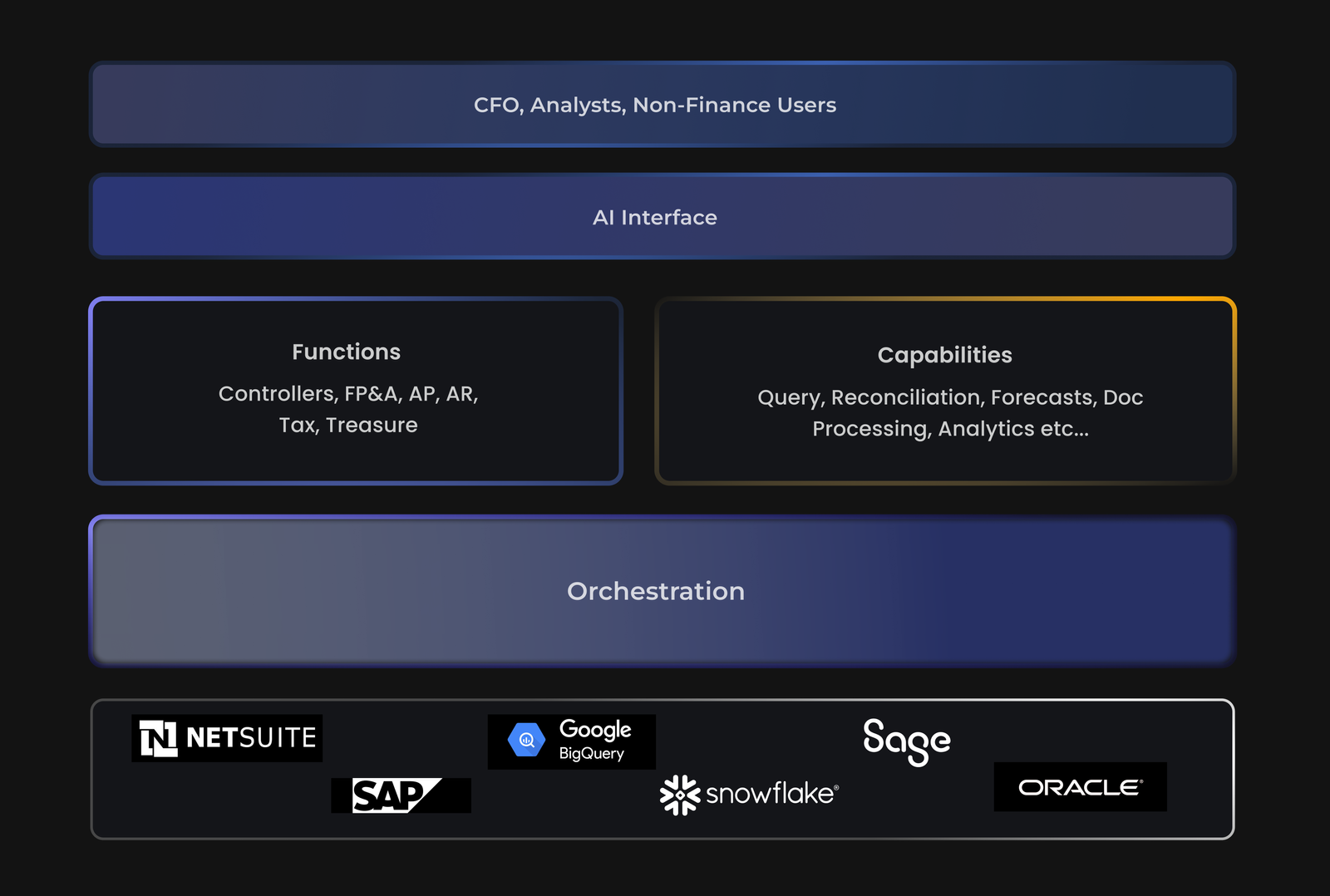
Both also expose REST APIs, which makes them agent-ready. The native assistants help inside their suites, and a cross-module agent layer carries the workflow that spans the ERP and the systems around it, on top of them through those APIs.
Turn on Epicor Prism or Infor GenAI first
Epicor Prism provides a generative AI assistant across the Epicor suite, helping users navigate, ask questions, and speed everyday tasks. Infor's GenAI capabilities add comparable native assistance within the Infor environment.
Both are built for their respective platforms and are the cheapest first win for teams already running Epicor or Infor. They remove friction from lookup and navigation immediately.
If you are on either platform and have not enabled the native assistant, do that before evaluating an external layer.
Where the native AI stops
Prism and Infor GenAI assist inside their suites and work from their own data. They help a user move faster within the ERP.
A close reaches across modules and often across systems: bank feeds, subledgers, contract repositories, other entities. The workflow that ties those together as one coordinated motion is not what a native assistant is built for.
That is the gap: the native assistants help within the ERP, and a cross-module agent layer carries the workflow across modules and systems through the REST APIs both platforms expose.
Reconciliation the agent layer carries end to end
How it runs
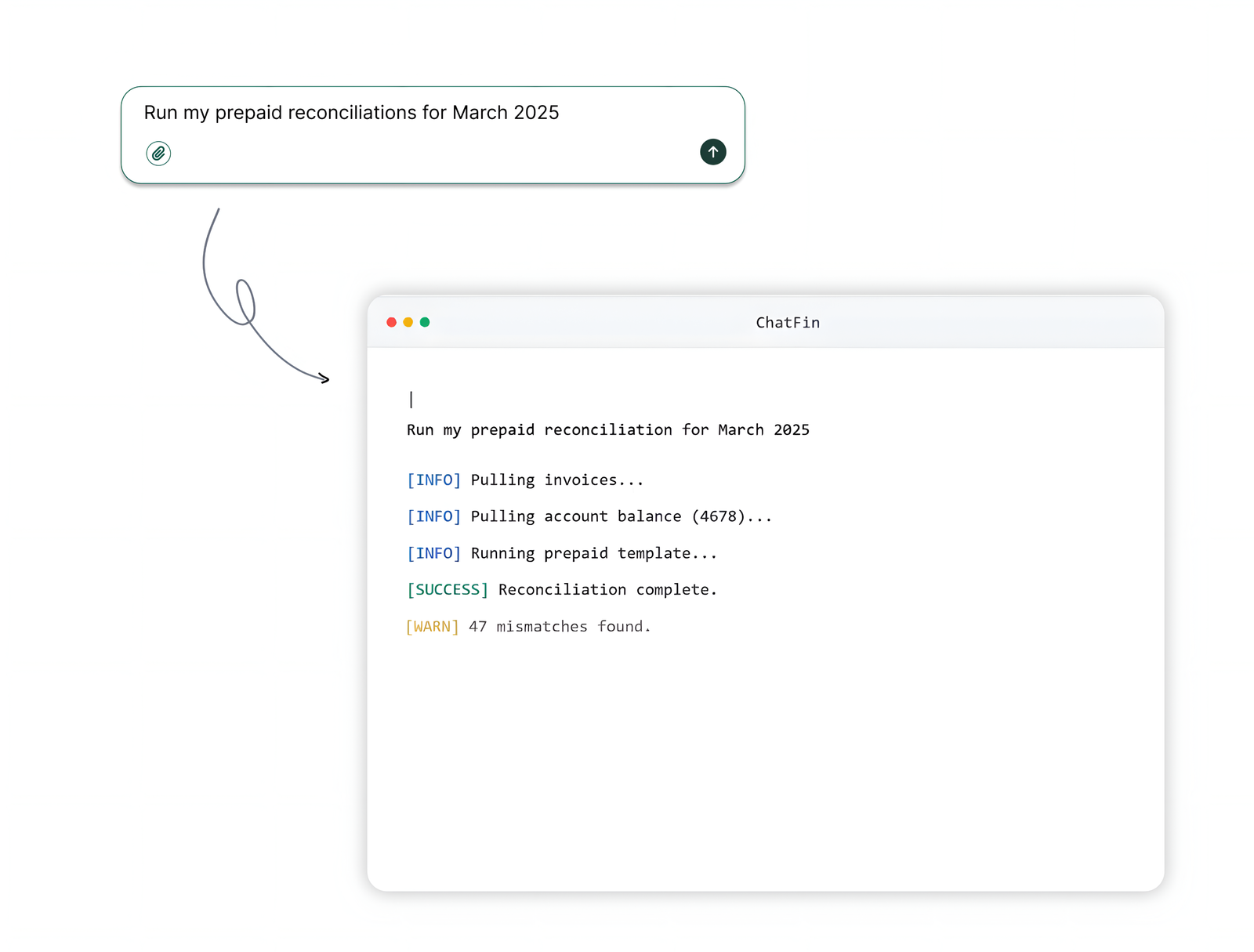
ChatFin reads transactions from Epicor or Infor through their REST APIs, alongside bank feeds and subledgers, into one matching workspace. It normalizes and matches on rules and history, then flags each exception with a plain explanation.
Where the native assistant helps inside the suite, the agent layer takes the cross-module and cross-system remainder, resolving breaks that span the ERP and the sources around it, and rolling status into a live close view.
Prism and GenAI assist inside the suite. Carrying the workflow across modules and systems is the second job.
Ashok ManthenaA close that coordinates itself
How it runs
GL activity, subledger data, and operational metrics are read continuously through the REST APIs. The agent tracks dependencies, flags missing entries, and predicts where the close will stall.
Accountants get guided tasks in order and leadership gets a live progress view, with the variance narrative naming drivers across modules and systems.
AP and accruals, checked before they post
How it runs
Invoices are ingested and digitized, then validated against purchase orders and contracts before payment. The agent layer adds the three-way match and routes only the exceptions, with clean invoices flowing to payment with a full history.
For accruals, historical spend and contracts feed a suggested accrual with a rationale and a confidence range. Finance reviews and approves, and the accrued-to-actual variance improves the next estimate.
Ask a question, get a sourced answer
How it runs
The native assistants answer within their suites. The agent layer extends this to questions that cross the ERP boundary, joining Epicor or Infor data with bank, subledger, and contract sources, and returning an answer with every figure sourced.
The number and the reason arrive together, linked back to the transaction behind each figure.
Governance, write-back, and the person who signs
Every agent action is bounded the same way. ChatFin reads through the interfaces the ERP already supports, applies your policy, and prepares the write-back as a payload a person approves before it posts. Nothing moves money or touches the ledger on its own authority.
The trail is the point. Each step keeps the prompt, the response, and the prepared payload, so an auditor can see not just what changed but why the agent proposed it. The ERP stays the system of record, and a named controller still signs.
Native assistant first, cross-module layer second, the ERP as the record throughout.
Enable Epicor Prism or Infor GenAI, because they are native and they remove real friction. Then add an agent layer that carries the cross-module workflow they do not span, reading and writing through the REST APIs both platforms expose, with the trail intact.
The ERP stays the system of record. The agents draft the work and a named controller signs, which is what keeps it defensible during an audit.
See agents carry an Epicor or Infor close across modules.
Turn on the native assistant, then bring one close. We will show cross-module reconciliation, the variance narrative, and governed write-back through the REST APIs, with your ERP as the system of record.