
JD EDWARDS PROCUREMENT
Can an AI Agent Recommend Suppliers, Analyse Purchase History and Create Requisition or Purchase Order Drafts in JD Edwards?
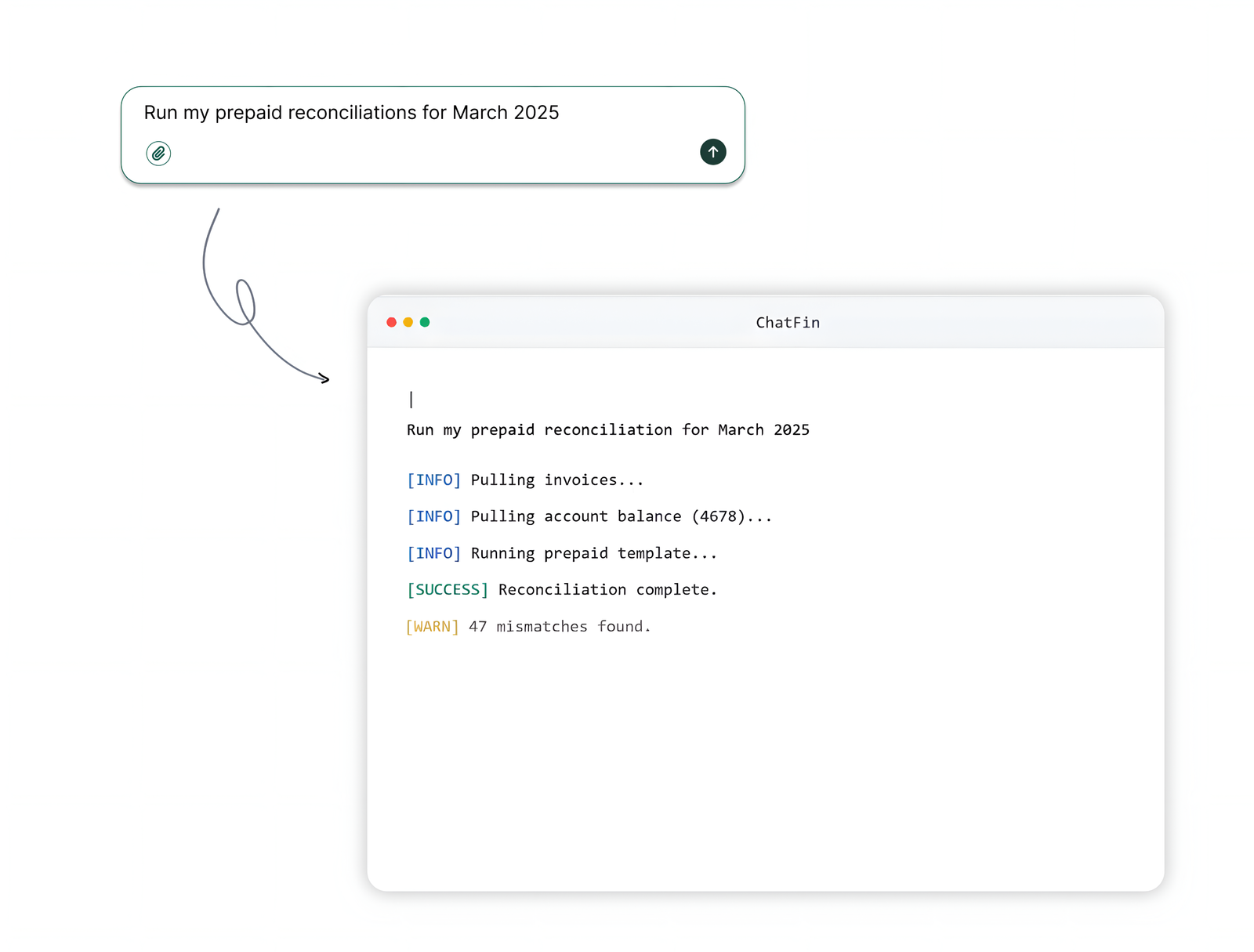
The agent recommends and drafts, a person approves, and a published orchestration creates the order.
- Supplier recommendation should come from your own delivery and price history, not from a market database that knows nothing about how a supplier treats you.
- Purchase history analysis answers the questions buyers ask before ordering: what did we pay, who delivered on time, what is the lead time in practice.
- Drafting a requisition removes the tedious part of buying while leaving the authorisation control completely intact.
- Order creation must run through a supported orchestration so pricing, tax, account derivation and approval routing all behave as they would for a keyed order.
- ChatFin recommends from your history, drafts the requisition or order, and posts only after a named approver confirms.
Buying something routine in JD Edwards involves a surprising amount of research for a decision that is usually obvious. Which supplier did we use last time, what did we pay, did they deliver on time, is there an agreement covering this, what account does it code to.
All of that is in your system and all of it is reconstructed by hand every time. It is the clearest candidate for a drafting agent in the whole procurement function.
Recommending From Your Own Experience
The useful supplier recommendation is not which supplier is best in general. It is which supplier has served you best for this item, at this site, recently.
That is answerable from data you already hold, and it beats any external benchmark because it reflects how a supplier treats your business rather than how they present in aggregate.

Recommendations you can reason about
Taking a suggested purchase order at face value is the easy path. The value comes from seeing why the system suggested it: which history, which supplier record, which lead time.
AI is often the path of least resistance. There are times when there's something to be said for thinking through it and struggling a little bit.
Paul Barnhurst, on the AgentCFO podcast
Recommendations built from your own JDE history can be questioned line by line. A buyer who can see the reasoning makes a better call than one who just clicks approve.
Purchase History Analysis Before Buying
The questions a buyer asks before placing an order are consistent and each currently requires a lookup. Answering them all at once, before the order is drafted, is most of the value.
Drafting a Requisition
A requisition draft is the safest place to start, because a requisition is a request rather than a commitment. Nothing binds anybody until it is approved and converted.
The draft should arrive complete: item, quantity, recommended supplier with the reasoning, expected price, account coding derived from how similar purchases have been coded, and the delivery location. The requester reviews rather than assembles.
Purchase Order Drafts and the Non Negotiable Condition
Creating an order is a commitment to spend money, so the control requirement is absolute: the agent proposes and a named person with the right authority approves before anything is created.
When approved, creation must happen through a published orchestration that drives the application, so pricing, tax, account derivation, commitment tracking and approval routing all behave exactly as they would for an order keyed by a buyer. Writing order records directly would skip all of it.
Where This Helps
The best candidates are the high volume, low judgement purchases that consume buyer time without benefiting from buyer expertise. Replenishment of routine items, repeat purchases from agreed suppliers, and low value requisitions that currently take longer to raise than they are worth.
Strategic sourcing is the opposite case. A new category, a significant contract or a supplier relationship change needs commercial judgement and negotiation, and an agent contributes analysis rather than a recommendation.
"The agent should draft the order. It should never be the thing that decides your company is spending money."

Controls Procurement Will Ask About
Purchasing controls exist because purchasing is a common route to loss, and any automation has to strengthen rather than route around them.
The design that achieves this is the same as elsewhere in finance. The agent operates within the requesting user's role, cannot approve what that person could not approve, and every draft and decision is recorded with its evidence.
How ChatFin Does It
ChatFin recommends suppliers from your own JD Edwards delivery, price and lead time history, answers the purchase history questions before the order is drafted, and assembles a complete requisition or order draft with every derived value visible.
Creation happens through a published orchestration after a named approver confirms, so pricing, tax, account derivation and commitment tracking behave exactly as they do for a keyed order, and the full chain is retained.

Draft the Order, Approve the Spend
ChatFin recommends suppliers from your own performance history, answers the purchase history questions up front, drafts requisitions and purchase orders with every value shown, and creates them through a supported orchestration once approved.
Automate the research and the drafting. Keep the commitment decision with a person.
Frequently Asked Questions
Can an AI agent create purchase orders in JD Edwards?
It can draft them, and creation should follow a named approval. When approved, the order must be created through a published orchestration that drives the application, so pricing, tax, account derivation, commitment tracking and approval routing all behave exactly as they would for an order keyed by a buyer. Writing order records directly would bypass all of that and produce commitments your reporting cannot rely on.
How does the agent decide which supplier to recommend?
From your own history rather than an external benchmark. Delivery reliability for that item at that site measured against original promised dates, what you have paid including order to invoice variance, real order to receipt lead time rather than the quoted figure, and any recorded return or receipt exception history. That reflects how a supplier treats your business specifically.
Where is this appropriate and where is it not?
It suits high volume, low judgement purchasing: routine replenishment, repeat buys from established suppliers, and low value requisitions that currently take longer to raise than they are worth. It is not appropriate for strategic sourcing. A new category, a significant contract or a supplier relationship change needs commercial judgement, and there the agent should supply analysis rather than a recommendation.