
AI Generates Financial Statements in Minutes: Reporting Automation Replaces Manual Cycles
Gartner predicts 30% faster close by 2028. Financial statement generation, narrative drafting, and board packs are now automated. Reporting cycles shrink from 5 days to hours.
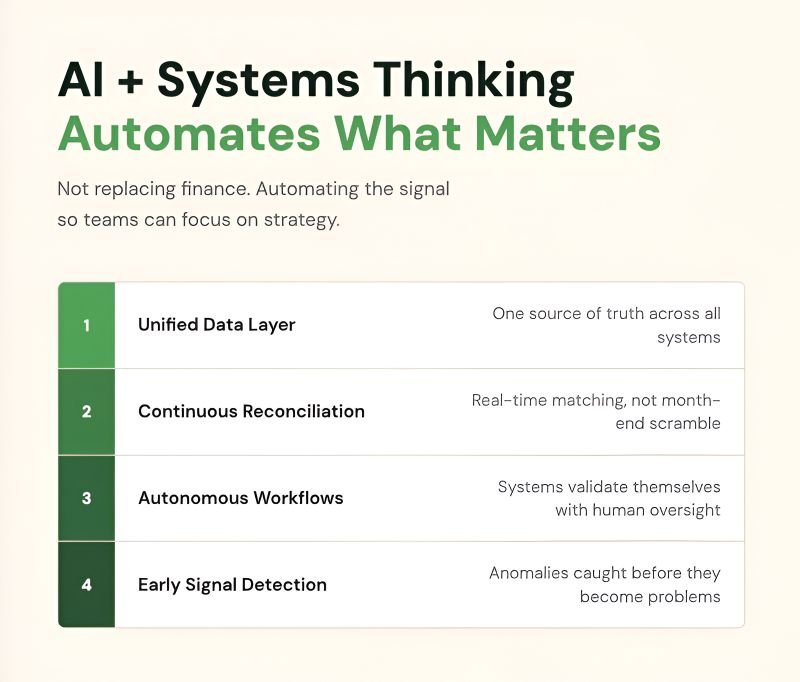
- Statement Generation P&L, balance sheet, and cash flow statements generate automatically when close completes. No manual assembly. No formatting bottleneck.
- Narrative Automation AI agents draft management commentary and variance narratives based on actual results. Finance teams edit and approve, not draft from scratch.
- Board Pack Automation Board packs compile automatically from underlying financial data. Charts, tables, and narratives generate from live data.
- Gartner Prediction Embedded AI in cloud ERP will drive 30% faster financial close by 2028. Reporting automation is a core driver of that compression.
- Variance Reporting Variance analysis between actual, budget, and forecast generates automatically. Materiality thresholds define what goes into board commentary.
- Cycle Time Impact Reporting cycles compress from 5 days to hours. Finance teams spend time on insight, not formatting.
The financial reporting cycle used to start after the close finished. Now it runs in parallel. When the last journal entry posts, the financial statements are already drafted. The narrative commentary is already written. The board pack is already assembled.
Finance teams that automated reporting in 2025 deliver board packages on day 2 of close. Teams still assembling reports manually deliver on day 8. That gap is already visible in board relationships and business trust.
Statement Generation Goes Autonomous
Embedded AI in cloud ERP generates financial statements automatically when underlying data is validated. P&L, balance sheet, and cash flow statements produce in minutes, not days.
The old model: wait for close to complete, then manually assemble financial statements in Excel or a reporting tool. The new model: close completes, statements are already done. The bottleneck shifts from generation to review.
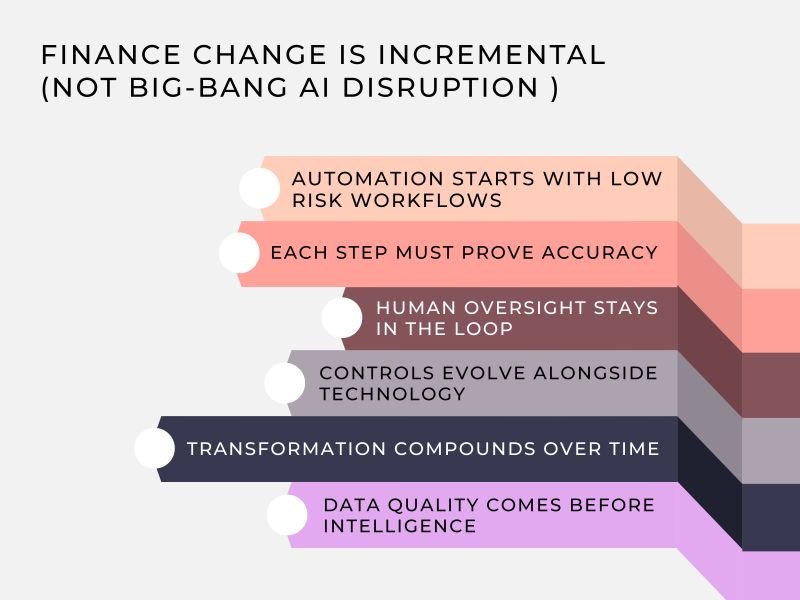
Reporting work changes shape
When assembly stops being manual, the reporting calendar and the roles around it both change.
I think one misconception is that we are going to improve current workflows because I think that workflows, everything's going to look really different. I mentioned that with a month in close.
Caitlin Haberberger, on the AgentCFO podcast
Decide what your team does with the days that assembly used to take.
Narrative Reporting Becomes AI-Assisted
AI agents draft variance narratives and management commentary based on actual results. Agents identify material variances, probable causes, and suggested narratives. Finance teams review and approve, not draft from scratch.
This cuts narrative drafting time by 80%. A task that took a senior analyst two days now takes two hours of review and refinement. The quality of commentary improves because analysts spend time on insight instead of formatting.
Board Packs Compile From Live Data
Board packs compile automatically from underlying financial data. Charts, tables, and narratives update in real time. Version control and distribution are automated.
No more copy-paste from financial systems into PowerPoint. No more version control problems. The board receives consistent, accurate packs on a predictable schedule.
When financial statements and board commentary generate automatically, reporting becomes same-day delivery, not a 5-day production process.
Reporting Cycles Are Compressing
Gartner predicts it. Organizations deploying reporting automation are already delivering. Statements in minutes. Narratives drafted automatically. Board packs compiled from live data.
Finance teams that automate reporting deliver better information faster. That changes their relationship with the board and business leadership.
Research & Sources
The ChatFin Advantage
ChatFin automates financial reporting inside your ERP. Statements generate automatically. Narratives draft from actuals. Board packs compile from live data. Your team reviews and approves.
Learn more: Financial Close Automation Guide