
JD EDWARDS FP&A
AI Tools That Generate Financial Commentary, Management Reports, Forecasts and Executive Summaries From JD Edwards
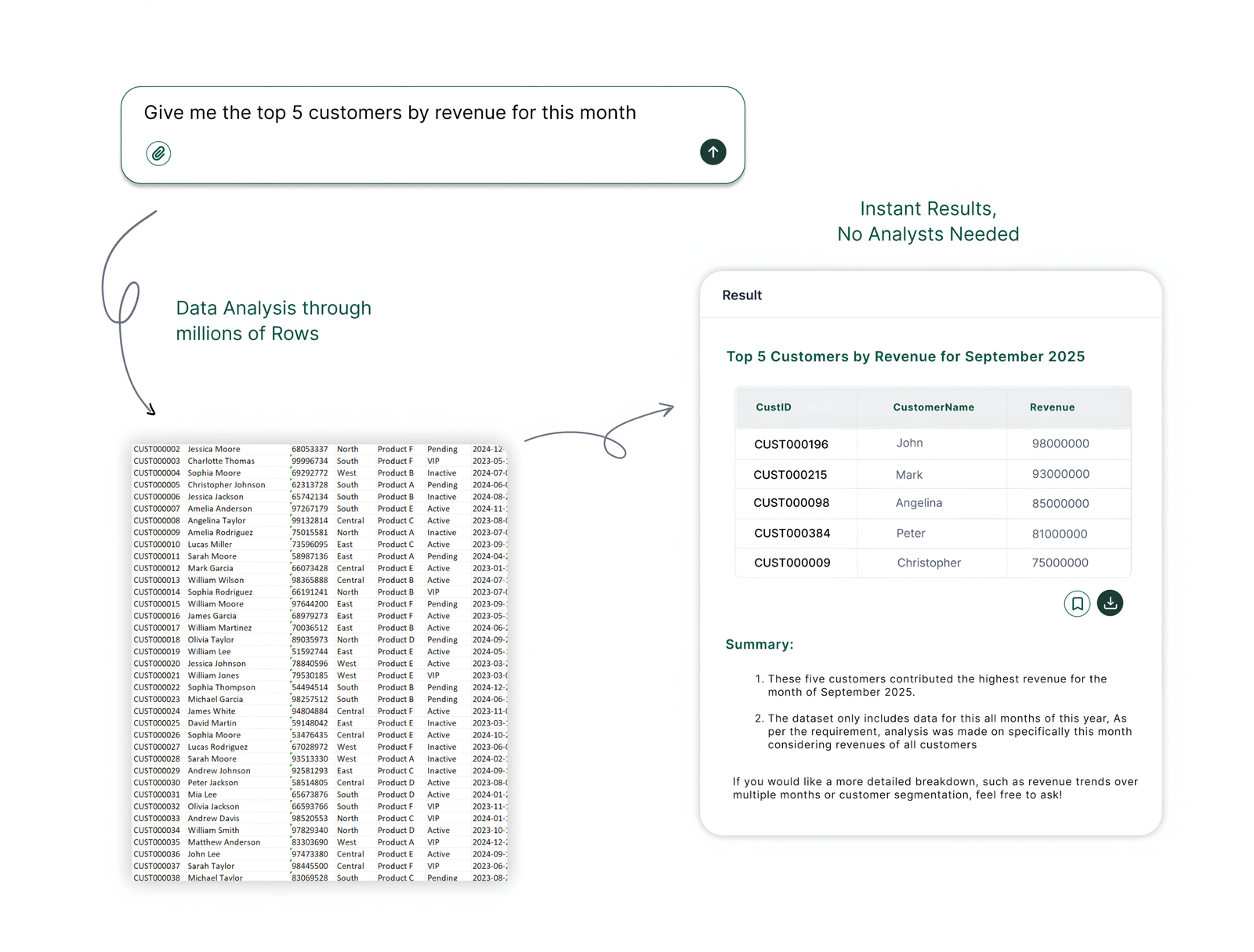
Generated commentary is useful when every sentence points to a row in the ledger.
- The board pack takes days to produce and minutes to read. Almost all of the production time is assembly rather than thought.
- Generated commentary is safe when every assertion traces to specific entries, and unsafe the moment it is allowed to summarise from memory.
- Consistency between periods is a feature. A reviewer comparing month to month should not have to reorient each time.
- Forecasting from JD Edwards should be grounded in operational data such as open orders and receipts, not in extrapolated ledger totals alone.
- ChatFin drafts from live data with the rows attached, and a named person still owns the final words.
The management pack is the clearest example of effort being spent in the wrong place. Days go into assembling it, and the audience reads a summary and two charts. Meanwhile the analysis that would change a decision is deferred because there was no time.
Generation flips that ratio, but only under conditions. Commentary that is not anchored to the ledger is worse than no commentary, because it is confident and unverifiable.
What Grounded Generation Means
This is the single distinction that determines whether generated commentary belongs anywhere near a board. Grounded means each sentence was produced from a specific query result and can be traced back to it. Ungrounded means the model wrote something plausible about numbers it saw once.
The practical test is simple. Click any assertion in the draft and you should reach the rows that support it. If you cannot, the commentary is decoration.

Reports that carry the reason
A generated management report is only useful if the reader can see why a number matters. Most reporting shows the movement and leaves the significance implied.
Sometimes you can get frustrated because why didn't so-and-so understand that this margin was important or that this spend was going to impact things in this way?
Caitlin Haberberger, on the AgentCFO podcast
Grounding matters for this reason. A figure tied to its source records can be questioned, and a figure that cannot be traced gets ignored.
The Management Pack, Section by Section
Most of a monthly pack is mechanical and should not be occupying skilled people. Separating the mechanical sections from the judgement sections shows how much is available to automate.
Executive Summaries Are a Different Skill
A summary is not a shorter report. It is a judgement about what matters, and that is the part that requires a person who knows what the audience is worried about this quarter.
What an agent can do well is produce the candidate set: here are the six things that moved materially, here is what each was, here is which are one offs and which are sustained. Selecting which three the board should hear about remains a human act, and it should.

Consistency Is Worth More Than Elegance
A generated pack that reads slightly differently each month is worse than a dull one that reads identically, because the reader's job is comparison. Variation in structure forces reorientation and hides changes in substance behind changes in wording.
Fix the structure, fix the vocabulary, and let only the content vary. That is also what makes the pack reviewable at speed, which is the point of producing it at all.
Forecasting Grounded in Operations
A forecast built only from extrapolated ledger totals is a trend line with a finance label on it. JD Edwards holds the operational data that makes a forecast defensible, and it sits in the same system as the ledger.
Open purchase orders indicate committed spend. Receipts not yet vouchered indicate near term payables. Open sales orders indicate revenue and cash timing. Customer payment behaviour indicates when receipts will land, as opposed to when terms say they should.
"Commentary that cannot be traced to a row in the ledger is decoration. Confident, well written decoration."

Who Owns the Words
This has to be explicit, particularly for anything reaching a board or an external party. Generated text is a draft. A named person reads it, corrects it and owns it, and that ownership is recorded.
The failure mode to design against is not a wrong number. It is a correct number with a wrong explanation attached, published because it read well and nobody checked the reasoning. Traceability is the defence, and so is a review step that cannot be skipped.
How ChatFin Produces It
ChatFin builds management reporting from live JD Edwards data through supported interfaces, with the entries behind every assertion attached and the scope and read time stated. Structure and materiality thresholds stay consistent between periods by design.
The output is a draft with its evidence, ready for a controller to review and own, which typically turns several days of assembly into an hour of judgement.

Draft It From the Ledger, Then Own It
ChatFin generates management reporting, variance commentary, executive summary candidates and operationally grounded forecasts from live JD Edwards data, with every assertion traceable to the entries behind it.
Generated commentary is only safe when you can click any sentence and land on the rows that produced it.
Frequently Asked Questions
Is AI generated financial commentary safe to publish?
Only when it is grounded, meaning every sentence was produced from a specific query result and can be traced back to the entries supporting it. The practical test is that you can click any assertion in the draft and reach the rows behind it. Ungrounded generation, where a model writes plausible text about numbers it saw once, is worse than no commentary because it is confident and unverifiable. A named person should always review and own the final words.
Can AI write the executive summary?
It can produce the candidate set: the movements that were material, what caused each, and which are one offs rather than sustained shifts. Selecting which of those the board should hear about is a judgement about your audience and remains a human act. Treat the agent as the analyst who assembles the evidence, not the executive who decides the message.
How should forecasts be built from JD Edwards data?
From operational data rather than extrapolated ledger totals. JD Edwards holds open purchase orders as committed spend, receipts not yet vouchered as near term payables, open sales orders as revenue and cash timing, and payment history showing when customers pay rather than when terms say they should. Every driver should be visible and adjustable, because a forecast nobody can interrogate does not get used.