
AI Automates Budget vs Actual Analysis: Variance Reports From Days to Minutes
FP&A teams compress variance analysis from 3-day manual processes to minutes with AI agents. Material variances surface automatically. Probable causes identified. Management ready to act.
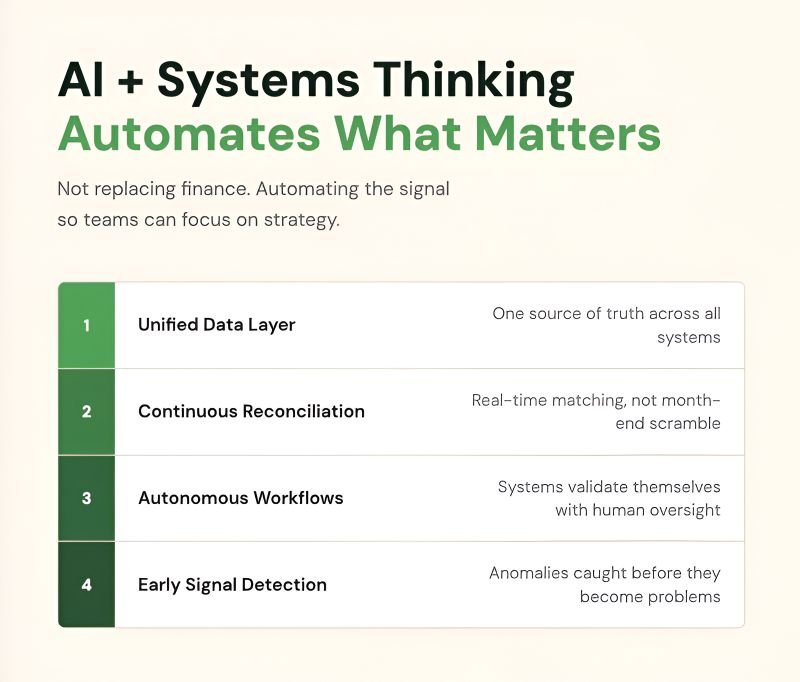
- Cycle Compression Variance analysis compresses from 3-5 days of manual work to under 2 hours with AI agents. Monthly reporting cycle shortens proportionally.
- Automated Materiality Agents apply materiality thresholds automatically. Immaterial variances are summarized. Material variances get detailed investigation.
- Root Cause Analysis AI agents suggest probable causes for variances based on operational data, headcount changes, pricing, and volume drivers.
- Multi-Dimensional View Variance analysis runs across every dimension simultaneously: geography, product, department, customer segment. Manual analysis limited to top-level views.
- Narrative Generation Management commentary on variances drafts automatically. Finance reviews and refines. Narrative time drops 80%.
- Continuous Monitoring Agents monitor actuals against budget daily. Early warning signals fire before month-end. Management responds in real time.
Variance analysis used to start after the month closed. The team pulled data, built the bridge, identified material variances, investigated causes, and drafted commentary. Three to five days minimum.
FP&A teams that automated variance analysis now have the complete report within hours of close. Management makes decisions with current information instead of last month's guesses.
Materiality-Based Automation
AI agents apply materiality thresholds and automatically surface variances that exceed defined limits. Immaterial items are summarized. Material items get detailed investigation and probable cause analysis.
This approach means management commentary focuses on what matters. A 2% revenue variance in a minor segment does not consume the same analysis time as a 15% variance in a major line. Agents prioritize automatically.
Root Cause Analysis Becomes Intelligent
Agents analyze variances and suggest probable causes by correlating actuals with operational data: headcount changes, pricing adjustments, volume drivers, and customer mix shifts.
What used to require a senior analyst spending half a day interviewing business unit leaders now surfaces from data in minutes. The analyst spends time validating and refining the diagnosis, not building the diagnosis from scratch.
Early Warning Changes Management Response
Agents monitor actuals against budget daily. Material unfavorable variances fire early warnings before month-end. Management has time to respond, not just report.
This shifts variance analysis from retrospective reporting to prospective management. When a sales team is running 12% behind plan at mid-month, management knows on day 15, not day 45.
When management sees variances on day 15 instead of day 45, they have time to act. That changes the relationship between finance and the business.
Variance Analysis Is Already Automated
FP&A teams deploying AI variance automation deliver management reports hours after close. Root causes identified. Materiality applied. Commentary drafted. Management acts faster.
Finance teams with automated variance analysis become strategic business partners instead of reporting departments.
The ChatFin Advantage
ChatFin automates budget vs actual variance analysis inside your ERP. Agents apply materiality thresholds, identify root causes, and draft narratives automatically. Your team reviews and advises.
Learn more: AI FP&A Automation Guide