
AI Agents for Reducing DSO and Collections
DSO is a behavior problem as much as a process one. Here is how an agent prioritizes accounts, drafts the right outreach, and frees people for the hard calls.
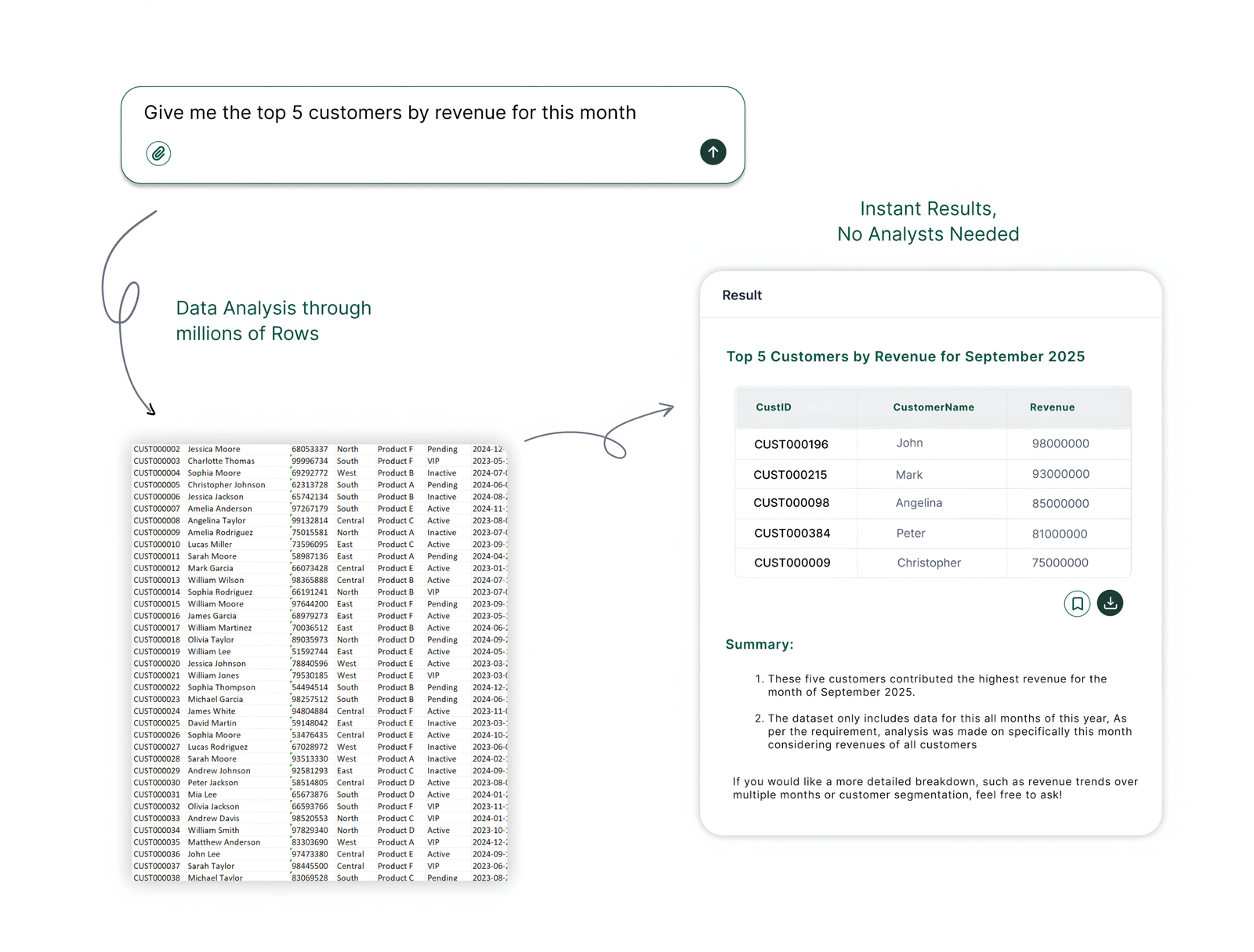
- DSO stays high not because teams do not chase, but because they chase the wrong accounts in the wrong order with generic messages.
- The aging report sorts by age, which is not the same as sorting by which dollars are most collectible with the least effort.
- An agent scores accounts by risk, size, and payment behavior, drafts outreach tailored to each situation, and escalates the accounts that genuinely need a person.
- The team spends its time on the disputes and relationships that move cash, not on sending routine reminders.
Days sales outstanding is one of the most direct levers on cash, and it is stubborn. Teams work the aging report, send reminders, make calls, and the number barely moves, because effort spent is not the same as effort spent where it matters.
The aging report sorts by how old an invoice is. It does not tell you which accounts are most likely to pay with a nudge, which are heading toward a real problem, or which are stuck on a dispute that a reminder will never fix. An agent can sort the work by what actually collects cash.
Why the aging report is the wrong queue
The pattern
The oldest invoice is not always the most collectible dollar, and the biggest balance is not always the most at risk. A large customer who always pays on day forty needs a different touch than a small one drifting toward default.
Working the list top to bottom by age spends the same effort on an account that will pay anyway as on one that needs real attention, and it sends everyone the same message regardless of situation.
How the agent prioritizes and drafts
How it runs
The agent scores each open account on payment history, size, days past due, and any signals of dispute or risk, and orders the work by expected impact on cash rather than by age alone.
For each account it drafts outreach that fits the situation: a light reminder for a reliable payer, a firmer note with specifics for a persistent one, a routed handoff for an account stuck on a dispute. The drafts are ready to send, not templates to fill.
The workflow, end to end
Routine reminders go out as drafted, reviewed at whatever level the team wants. The accounts that need judgment, a negotiation, a payment plan, a relationship call, are surfaced with the context already assembled.
The collectors spend their hours on those, where a person genuinely changes the outcome, instead of on the mechanical reminders.
Cash comes in faster because effort is aimed at the accounts where it moves the number, not spread evenly across the aging.
Effort spent chasing is not the same as effort spent where it collects. The aging sorts by age; cash comes from sorting by impact.
Ashok ManthenaGovernance and the person who signs
Outreach is drafted, not sent blind. The team decides which tiers go automatically and which need a review, and every message and escalation is logged against the account.
The receivables ledger stays the system of record. A person owns the relationships and the judgment calls, and the trail behind every touch is kept.
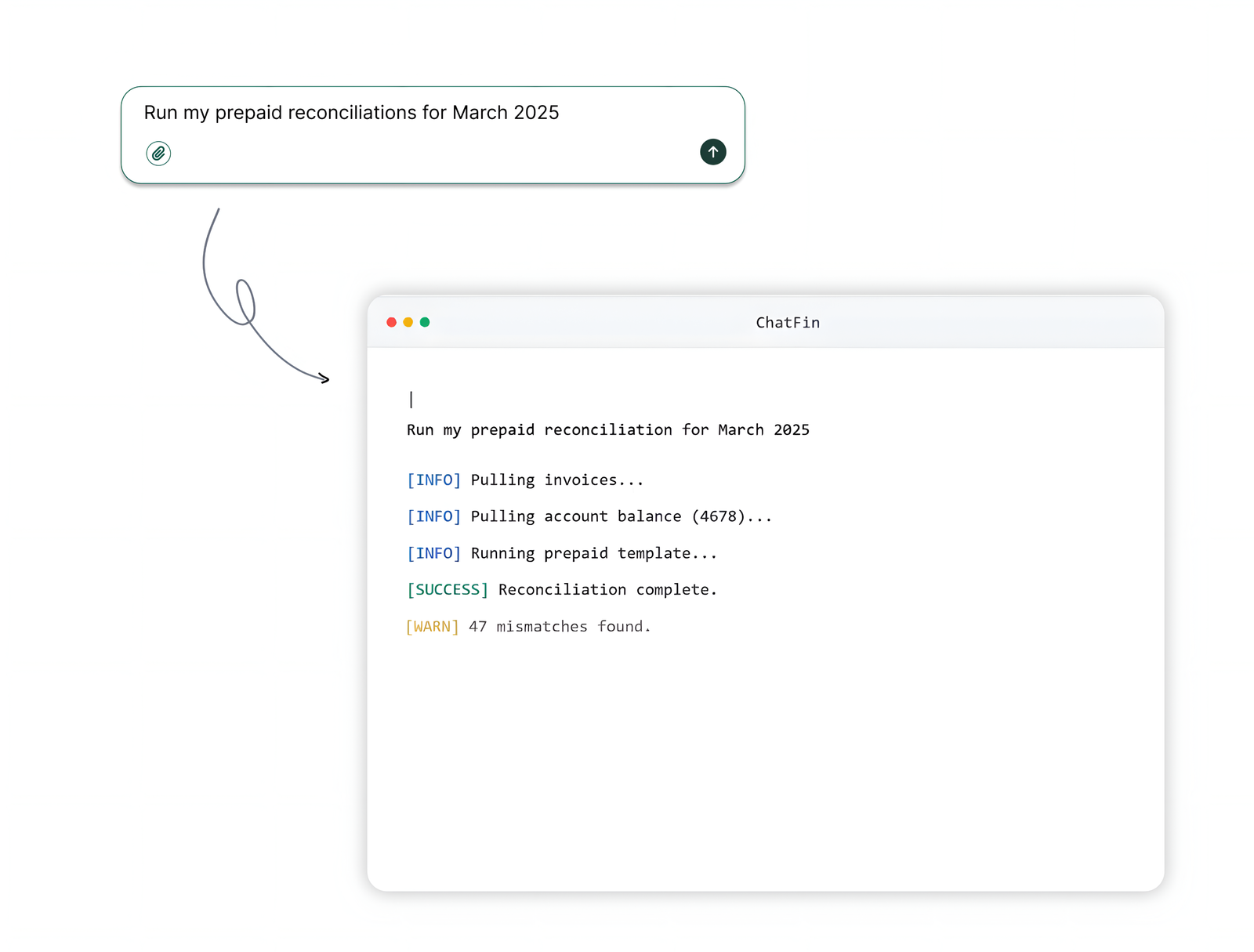
Aim the effort at the cash, and keep people on the hard calls.
DSO is stubborn because the aging report is the wrong queue and generic reminders are the wrong tool. An agent that scores accounts by impact and drafts outreach that fits each one puts effort where it moves cash.
Outreach is drafted and reviewed, and people own the disputes and relationships. The receivables ledger stays the system of record, and the trail is kept.
See an agent prioritize your aging and draft the outreach.
Bring an anonymized aging report. We will show the agent scoring the accounts by impact and drafting outreach tailored to each situation for your review.