
JD EDWARDS AR
AI Agents That Automate Accounts Receivable, Collections, Cash Application and Customer Account Analysis in JD Edwards

The work in receivables is applying the cash, understanding why an account is short paying and deciding what to do about it.
- The JD Edwards receivables cycle spans invoices in the customer ledger, receipts across the receipt header and detail tables, deductions, chargebacks and unapplied cash, each with its own document type.
- Cash application is the largest automatable win. Matching a remittance to open items is a reasoning problem that rules handle badly and an agent handles well.
- Collections tooling that only ranks by days overdue is ranking by the least informative variable available.
- JD Edwards already holds a customer activity log for collections contact history, which gives an agent real precedent to work from.
- ChatFin applies cash, explains short payments, prioritises by expected recovery and drafts the collection action, with approval on anything that posts.
Receivables is the part of finance where the data is richest and the tooling is thinnest. Every customer has years of behaviour recorded in your own system: how they pay, when they pay, what they dispute, what they short pay and why. Almost none of that is used, because using it means reading transaction history rather than a balance.
The result is a function that runs on ageing buckets and memory, where the best collector is the person who has been there longest and remembers which accounts are at risk.
What the Receivables Cycle Looks Like in JD Edwards
A short orientation, because the structure determines what can be automated. Invoices sit in the customer ledger. Receipts are held across a header and a detail table, and the relationship between a receipt and the invoices it settles is what cash application creates.
Several outcomes each get their own document type: an unapplied receipt where cash arrived without a clear home, a chargeback where a customer short paid and you are pursuing the difference, a deduction where the shortfall is being managed as a claim. Knowing which is which is what separates a useful agent from one that double counts.

Cash Application, the Biggest Win
Applying cash is the single most automatable task in receivables and the one most often still done by hand. A payment arrives for an amount that matches no single invoice, with a remittance that may be a spreadsheet, a portal screenshot or nothing at all.
The person doing this is solving a combinatorial problem with fuzzy evidence, which is precisely the kind of task where an agent outperforms both a human and a rules engine. It can read the remittance in whatever form it arrived, propose the combination of open items that reconciles to the amount, and explain any residual.
Collections That Rank by Something Useful
Most collections tools sort the ageing by days overdue and call it prioritisation. That ranks by the variable that correlates least with recovery, because a customer who is always ten days late is not a risk and a reliable payer who has suddenly gone quiet is.
The better ranking combines how this customer normally behaves, how far the current position deviates from that, the value at stake, and whether an underlying dispute is blocking payment. All four are derivable from data you already hold.
The Activity Log Is an Underused Asset
JD Edwards maintains a customer activity log for credit and collections work, recording the contact history against an account. Most teams treat it as a compliance record and almost nobody analyses it.
For an agent it is precedent. What was promised last time, whether that promise was kept, which approach worked with this customer, and whether the same dispute has recurred. That converts a collections call from a cold start into an informed conversation.
"Sorting the ageing by days overdue ranks your customers by the one variable that predicts recovery worst."
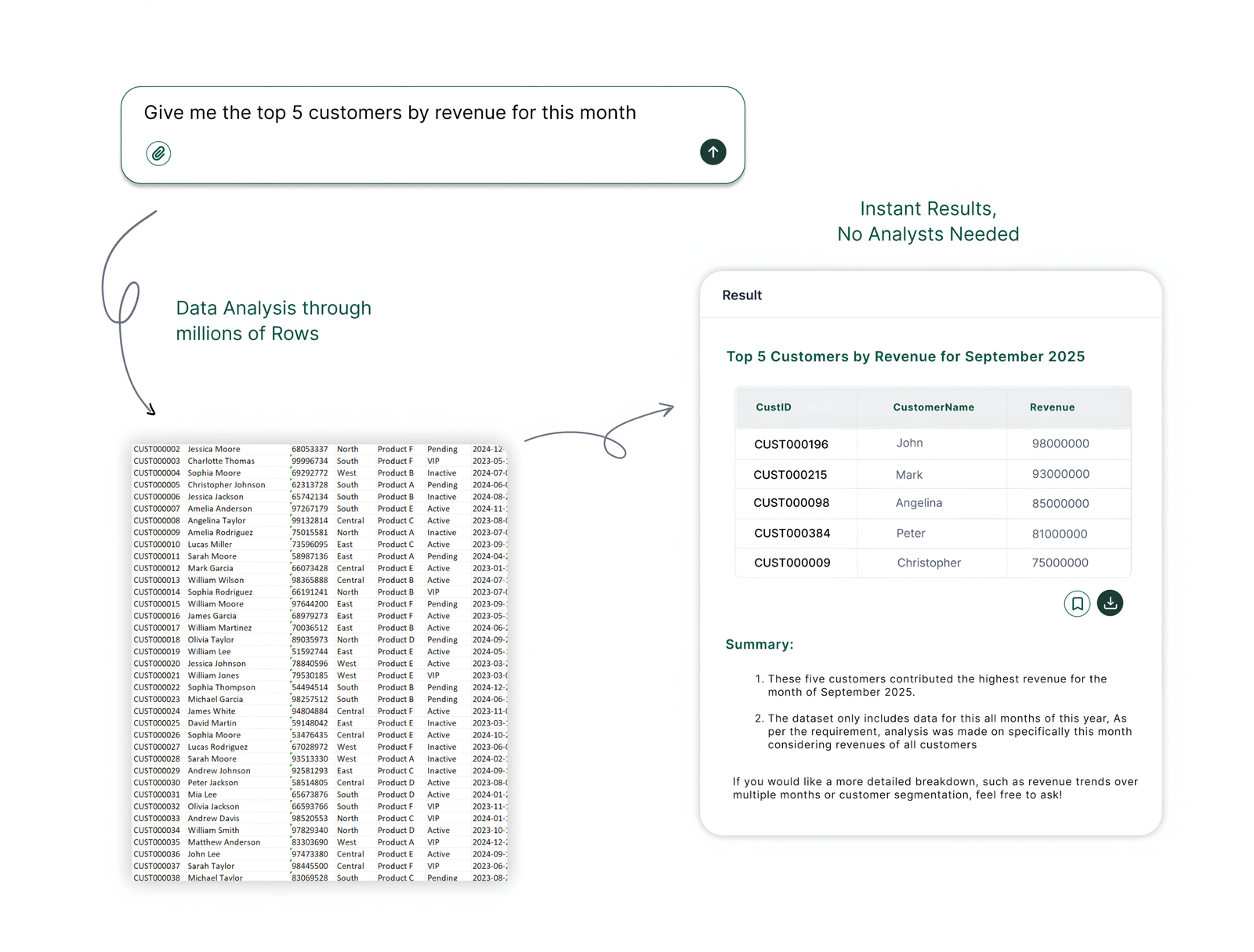
Customer Account Analysis on Demand
The most common request in receivables is also the most tedious: explain this account. What is open, what is disputed, what has been paid recently, what is on hold and why, and what the customer is likely to do next.
Assembling that today means several screens and a spreadsheet. An agent produces it as an answer, with the underlying records attached so the collector can act.
Where Conventional Tooling Stops
Being clear about the alternatives saves a wasted evaluation cycle. Each of these categories is useful and each stops before the work is finished.

How ChatFin Runs Receivables
ChatFin reads live customer ledger, receipt, deduction and activity data through supported interfaces, applies cash by proposing the matched combination with its residual explained, ranks collections by expected recovery rather than by age, and drafts the next action with the account history behind it.
Anything that posts waits for a named approver, and the full chain from remittance to applied receipt is retained, which is a stronger evidence position than the spreadsheet most teams currently keep.

Apply the Cash, Then Explain the Difference
ChatFin automates cash application, deduction and chargeback analysis, collections prioritisation and customer account analysis against live JD Edwards receivables data, with approval on anything that posts.
A collections dashboard reorganises your ageing. It has never applied a payment.
Frequently Asked Questions
Can AI automate cash application in JD Edwards?
Yes, and it is the largest single win in receivables. Matching a payment to open items when the remittance is unstructured and the amount matches no single invoice is a reasoning problem, not a rules problem. An agent reads the remittance in whatever form it arrived, proposes the combination of open items that reconciles to the receipt, explains any residual as a deduction, dispute, discount or rounding difference, and presents the treatment for approval.
How should collections be prioritised instead of by days overdue?
By expected recovery. Combine how this customer normally pays relative to terms, how far the current position deviates from that baseline, the value at stake, and whether an underlying dispute is blocking payment. A customer who is habitually ten days late is not a risk; a reliable payer who has suddenly gone quiet is, and days overdue alone will never surface that.
What does JD Edwards already provide that helps?
More than most teams use. The customer activity log records collections contact history against an account, which gives an agent real precedent: what was promised, whether it was honoured, which approach worked previously, and whether the same dispute keeps recurring. Deductions and chargebacks are also held distinctly from ordinary open items, so genuine dispute analysis is possible rather than inferred from the ageing.