
Agentic AI Interoperability in 2026: MCP, A2A, and Why It Matters for Finance
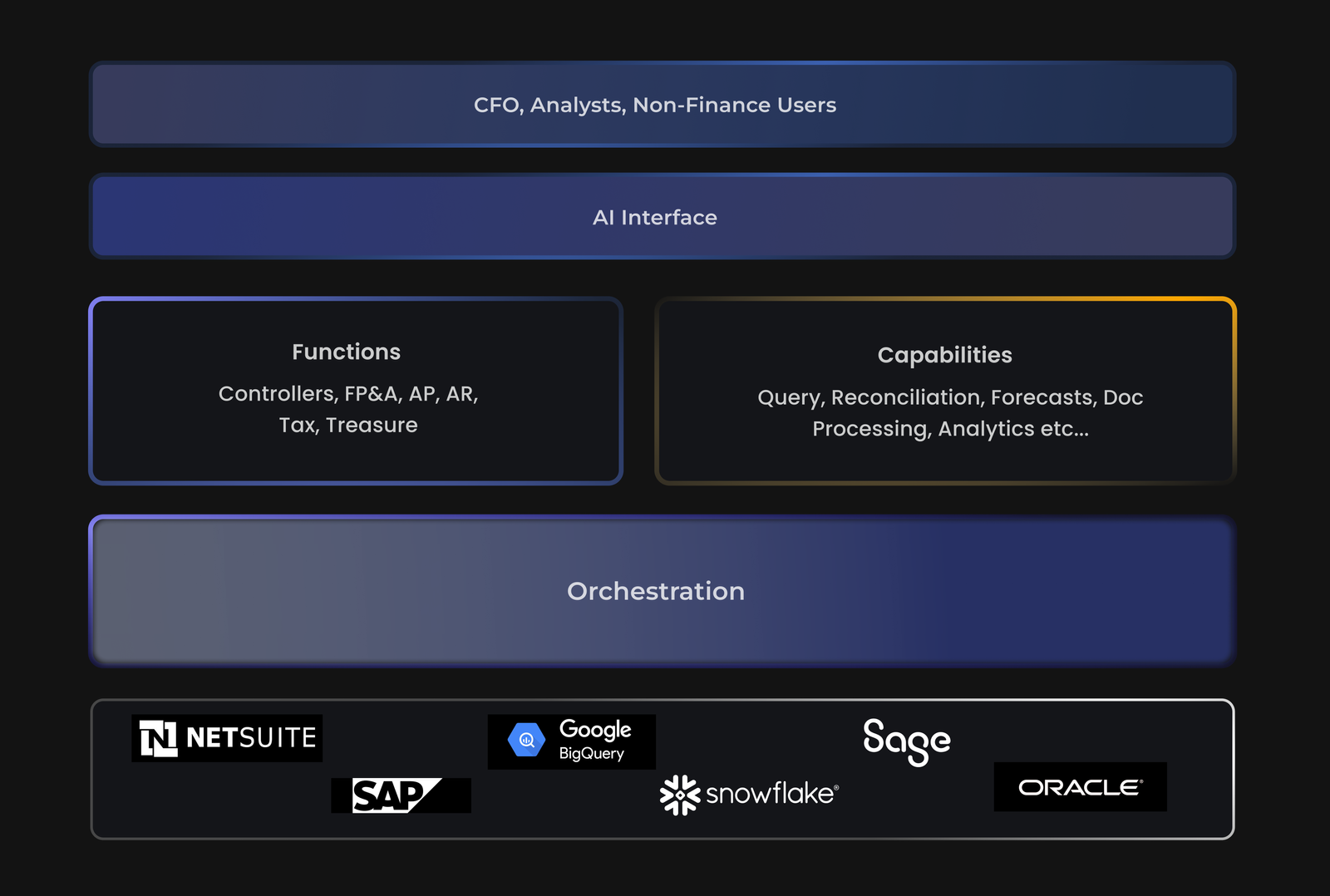
Agentic AI in 2026 is multi agent, multi vendor and multi system. Two open protocols make that work: MCP connects an agent to tools and ERPs, and A2A lets agents coordinate across vendors. Here is the two layer stack, and why it decides how well finance automation scales.
- MCP, from Anthropic and now the Linux Foundation, standardizes how an agent reaches tools, data and ERPs, the universal adapter between agent and system.
- A2A, from Google and now the Linux Foundation, standardizes how autonomous agents discover, delegate to and coordinate with each other across vendors.
- The 2026 default is a two layer stack: MCP for vertical tool access, A2A for horizontal agent coordination. They coexist, they do not compete.
- For finance, this means one standard connector pattern to ERPs and a governed way for close, treasury and audit agents to hand work to each other.
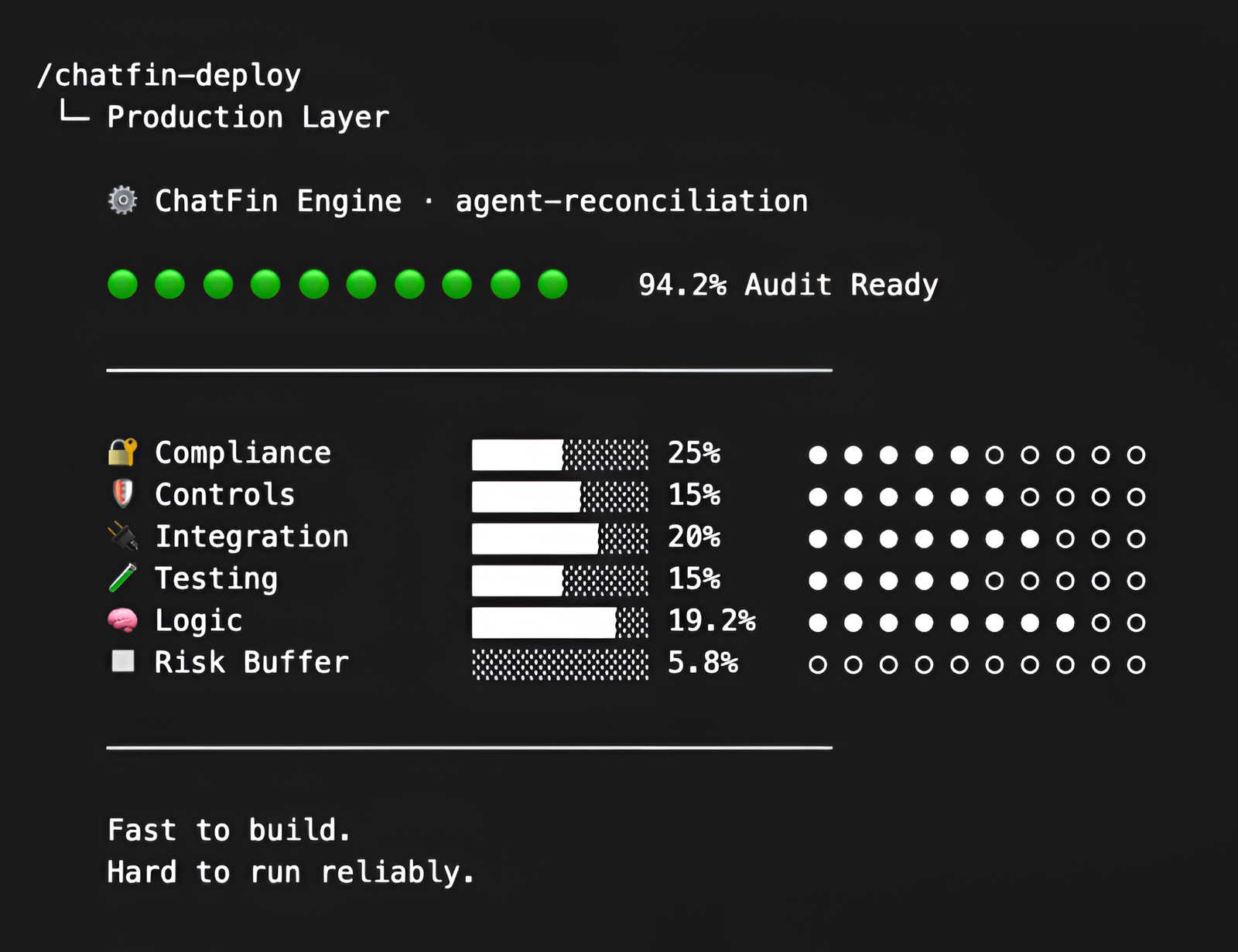
- Protocol posture is now a due diligence question: MCP for ERP access, A2A for coordination, fine grained authorization, and full audit logging.
For most of the last two years, agentic AI meant a single clever model with a few tools. In 2026 that framing is obsolete. Production finance deployments are systems of specialized agents that must find each other, share context, and reach the systems of record that hold the numbers.
Two open protocols now govern how that happens, MCP and A2A. Understanding the difference is no longer just an engineering concern. It determines how far, how safely and how cheaply finance automation can scale.
Two Protocols, Two Layers of the Stack
Agentic AI stopped being a single model story in 2026. Real deployments are multi agent, multi vendor and multi system, and that only works if the agents can find each other, share context and reach the tools that hold the data. Two open protocols now define how that happens, and they solve different problems.
The emerging consensus is not that one wins. It is a two layer stack: MCP for vertical tool access, A2A for horizontal agent coordination, much the way HTTP, WebSocket and gRPC coexist on the modern web rather than competing to replace one another.

Why a Finance Leader Should Care
Interoperability sounds like an infrastructure concern until you translate it into finance outcomes. A finance function runs on many systems: the ERP, the bank feed, the tax engine, the FP&A tool, the document store. Every custom integration between an AI agent and one of those systems is cost, latency and fragility. Open protocols remove that tax and turn a pile of one off connectors into a standard pattern.
"MCP is the wiring between each agent and its tools. A2A is how agents talk to each other. Finance needs both, because the close is a multi agent, multi system job."
How the Two Layers Show Up in a Real Close
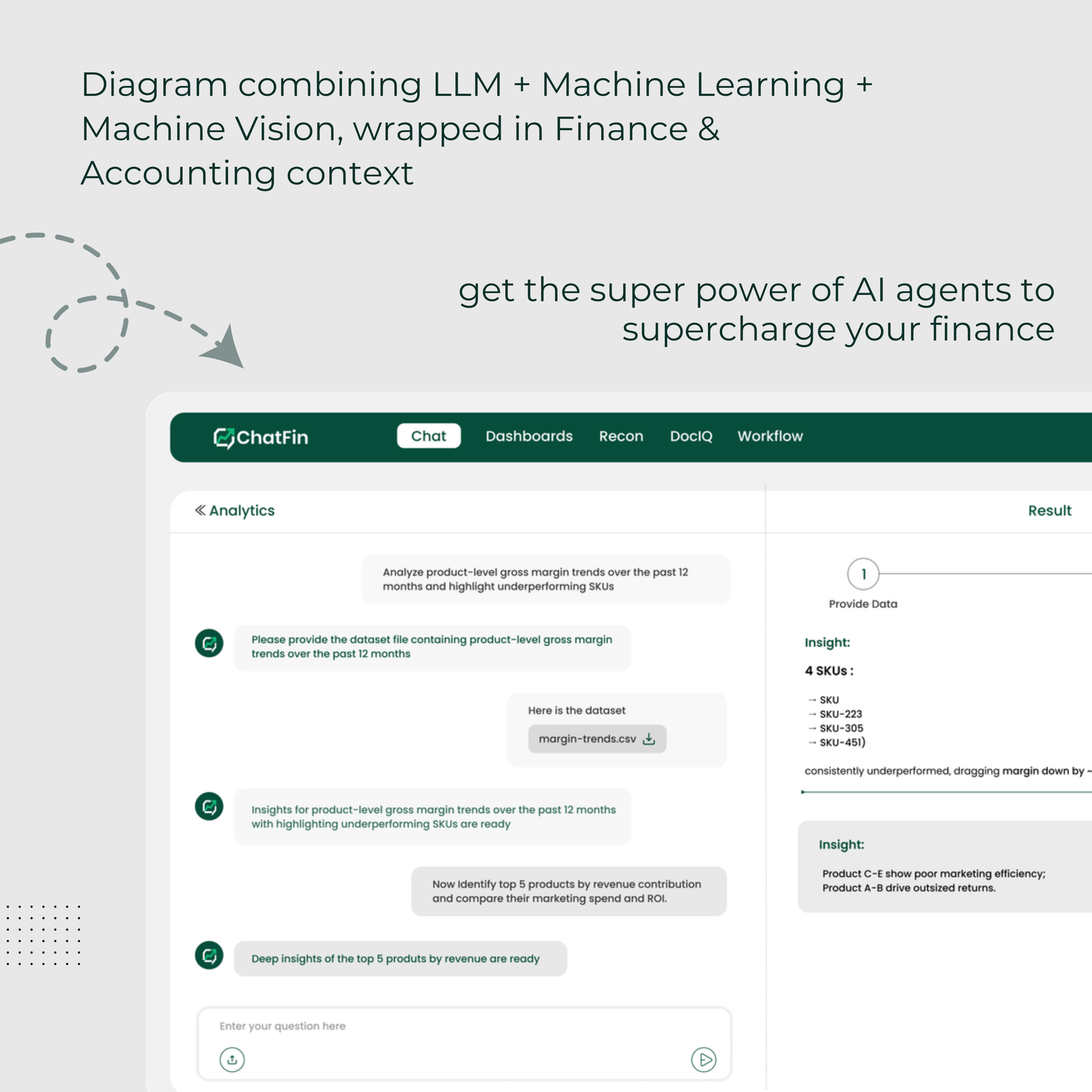
Picture a month end close running as a team of agents. A reconciliation agent pulls bank and ledger data through MCP, matches it, and clears the routine items. When it meets a foreign exchange difference it cannot resolve, it uses A2A to hand the item to a treasury agent, which values the position and passes a proposed entry back. An audit agent watches the whole exchange, records who did what, and files the evidence. No human wrote a custom bridge between those agents. The protocols did that work.
What to Ask Before You Build
Interoperability has become a board level concern for a measurable reason. Accenture found that companies with highly interoperable applications grew revenue roughly six times faster than peers whose systems did not connect. For finance teams evaluating agentic platforms, the protocol posture is now a real due diligence question rather than an engineering footnote.
Interoperable by Design. ChatFin Sits on Your ERP, Not Around It.
ChatFin connects to NetSuite, SAP Business One, Acumatica, Dynamics 365, Sage Intacct and JD Edwards through a standard integration layer, and coordinates specialized finance agents with governed, auditable handoffs.
The finance function is a multi agent, multi system job. Interoperability is what turns that from a demo into a dependable close.