
FP&A Automation and AI Forecasting Agents: From Monthly Budgets to Continuous Planning
44% of finance teams are deploying agentic AI in FP&A, achieving 75% faster budget cycles and 60-95% improved forecast accuracy. Here is how autonomous forecasting agents work and why FP&A is evolving from annual budgeting to continuous planning.
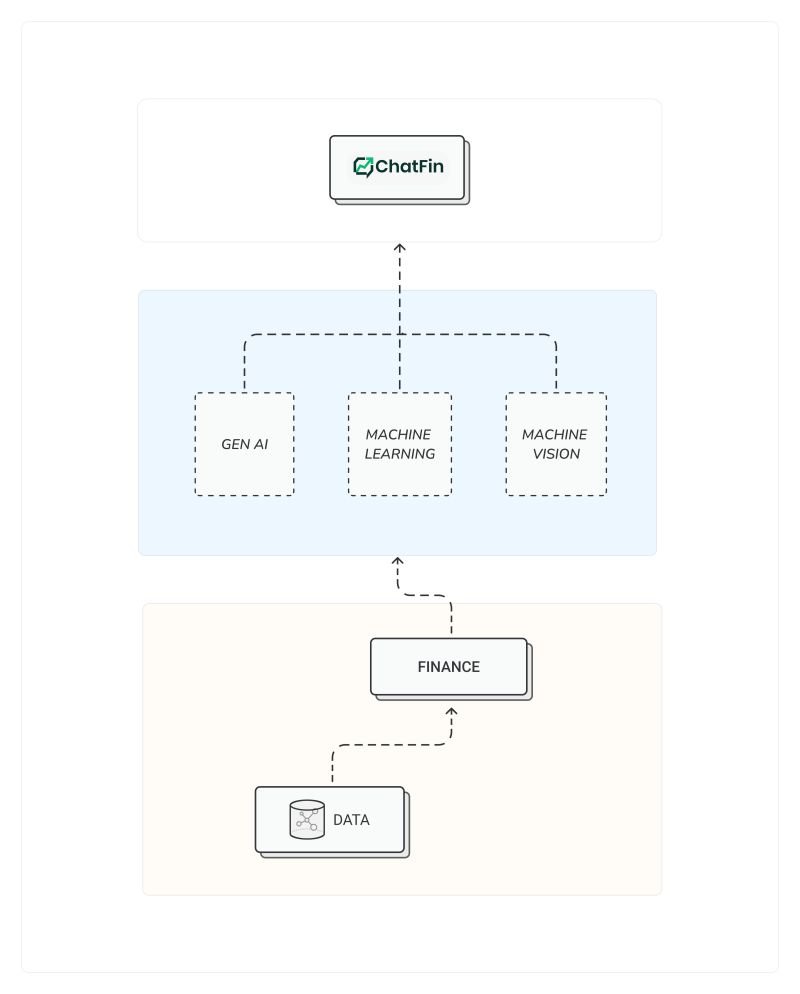
- Adoption Momentum 44% of finance teams are now deploying agentic AI in FP&A, up 600% from 2024, signaling rapid mainstream adoption.
- Budget Cycle Compression AI agents enable 75% faster budget cycles by automating data collection, baseline forecasting, and variance analysis.
- Forecast Accuracy Gains Agentic AI improves forecast accuracy by 60-95% by analyzing historical patterns, market signals, and anomalies continuously.
- Continuous vs. Annual FP&A is shifting from annual budgets prepared in Q4 to continuous rolling forecasts updated monthly or weekly with new data.
- Analyst Redeployment 80% of manual data work is eliminated, freeing FP&A analysts to focus on judgment, scenario modeling, and strategic planning.
FP&A is undergoing its most significant transformation in decades. For years, FP&A teams spent Q4 building an annual budget that became stale by February. Forecast accuracy suffered because assumptions locked in September were invalid by Q2. In 2026, that is changing. Agentic AI is automating the mechanical work of FP&A - data gathering, baseline forecasting, variance analysis - freeing teams to focus on judgment, scenario modeling, and strategic planning.
The FP&A Problem: Manual Data Work and Stale Forecasts
Traditional FP&A processes are labor intensive and outdated. Finance teams spend 80% of their time gathering data from disparate systems, reconciling numbers, and preparing baseline forecasts. Only 20% of their time goes to analysis and planning. The result: annual budgets that become obsolete by mid-year, forecasts that miss market shifts, and teams burning out on data work.
The core problem is timing. When FP&A prepares a budget in November for the following year, assumptions about growth rates, market conditions, and competitor actions are six to twelve months out of date by the time execution starts. Quarterly reforecasts try to fix this, but quarterly updates are still too slow when market conditions shift weekly.
Refreshing the plan has to get cheaper
Continuous planning depends on the cost of an update falling far enough that nobody avoids doing one.
But then also the overlay on top of that is, of course, you've got to be adopting a more agile process to continually refresh your forecasting and budgets.
Caitlin Haberberger, on the AgentCFO podcast
Time how long a full forecast refresh takes today. That number decides how often the plan can realistically change.
How Agentic FP&A Works
Agentic AI solves the FP&A problem by automating three critical capabilities:
The result is a fundamentally different FP&A process. Instead of an annual budget prepared in Q4, organizations deploy continuous rolling forecasts updated monthly or weekly. Instead of manual variance analysis, variance detection is automated. Instead of FP&A analysts spending weeks gathering data, they spend their time on judgment: interpreting results, building scenarios, and answering strategic questions.
The Business Results
Organizations deploying agentic FP&A are seeing measurable, significant improvements:
"FP&A teams that deploy continuous forecasting with agentic AI will see 2 to 3x faster planning cycles and significantly improved forecast accuracy compared to competitors still using annual budgets." - IBM FP&A Trends 2026
From Annual Budgeting to Continuous Planning
The most significant shift in 2026 is moving from annual budgeting to continuous planning. Traditional FP&A organizes itself around the annual budget cycle: Q4 build, January lock, quarterly reforecasts, end-of-year close. This structure made sense when data was slow to gather and assumptions changed slowly. It does not make sense in 2026 when market conditions shift weekly and data is available in real-time.
Continuous planning means rolling forecasts updated monthly or weekly. When new data arrives (customer churn, market signals, competitor pricing), forecasts update immediately. When assumptions change (Fed policy, industry shifts), forecasts adjust without waiting for a reforecast cycle.
Agentic AI makes continuous planning feasible because it automates the mechanical work. With 80% of FP&A labor automated, teams can afford to update forecasts weekly instead of quarterly. The cost of continuous updates (human review plus agent recalculation) is lower than the current cost of quarterly reforecasts plus the benefit of more accurate, current planning.
The FP&A Analyst Role in 2026
What do FP&A analysts do when agents automate data gathering and baseline forecasting? They do higher-value work:
The Future of FP&A: Continuous, Agentic, and Strategic
The FP&A teams leading their organizations in 2026 are moving from annual budgeting to continuous planning and from mechanical work to strategic judgment. Agentic AI is the enabler: it automates the 80% of work that is data gathering and baseline forecasting, freeing teams to focus on interpretation, scenario modeling, and strategic planning.
FP&A teams that deploy agentic forecasting in 2026 will operate with fundamentally faster planning cycles, better forecast accuracy, and more strategic influence than competitors still using annual budgets and quarterly reforecasts.
ChatFin: Agentic FP&A for Continuous Planning
ChatFin's agentic FP&A system automates data aggregation, baseline forecasting, and variance analysis, enabling finance teams to shift from annual budgeting to continuous rolling forecasts updated weekly. The platform delivers:
Learn more: Autonomous FP&A Forecasting: Building Continuous Planning Systems