
Balance Sheet Reconciliation Automation: AI-Driven Matching and Exception Detection
Global reconciliation software market is projected to reach $7.54B by 2033, growing at 13.1% CAGR. AI reconciliation agents achieve 90%+ auto-match rates, automating hours of manual matching work.

- Market Growth Reconciliation software market grows to $7.54B by 2033, up 13.1% CAGR from $2.53B in 2024, driven by AI adoption.
- 90%+ Auto-Match: AI reconciliation engines achieve 90%+ automatic match rates on transaction matching, eliminating manual reconciliation work.
- Exception Intelligence: Agents identify and flag unmatched items, duplicate payments, control failures, and fraud patterns automatically.
- End-to-End Automation: From AR aging to fixed assets to intercompany payables, AI agents reconcile entire balance sheets automatically.
- Audit Ready: Complete audit trails show every reconciliation decision. Reconciliations are traceable and defensible to auditors.
Account reconciliation is the most tedious part of financial close. Accountants manually match transactions from sub-ledgers to general ledger, spending hours searching for timing differences and investigating unmatched items. In 2026, AI reconciliation agents are eliminating this work. Agents automatically match transactions with 90%+ accuracy, identify exceptions, and flag potential issues. Accountants shift to exception investigation and control improvement instead of manual matching.
The Reconciliation Opportunity: Manual Matching Consumes Thousands of Hours
Reconciliation is labor intensive and low-value. At most mid-market companies, reconciliation consumes 30-40% of close cycle time. Accountants spend days matching transactions manually, investigating timing differences, and documenting reconciliation entries. AI reconciliation agents solve this by automating the matching process, achieving 90%+ match rates and flagging exceptions for human investigation.
The challenge is volume and complexity. Most balance sheet accounts reconcile thousands of transactions monthly:
How AI Reconciliation Works
AI reconciliation agents use matching algorithms and machine learning to automatically match transactions and identify exceptions. The process:
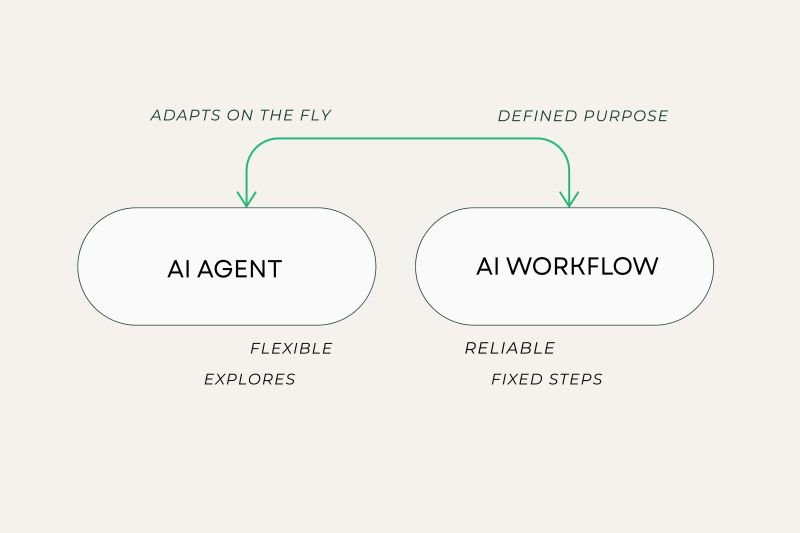
The workflow itself changes
Automating reconciliation does not speed up the old routine. It makes a different routine possible.
I think one misconception is that we are going to improve current workflows because I think that workflows, everything's going to look really different. I mentioned that with a month in close.
Caitlin Haberberger, on the AgentCFO podcast
Rebuild the reconciliation calendar around continuous matching rather than a month end push.
Market Trends and Technology Maturity
The reconciliation software market is experiencing rapid growth driven by AI adoption. The market was valued at $2.53B in 2024 and is projected to reach $7.54B by 2033, a 13.1% compound annual growth rate. This growth reflects three trends:
"Reconciliation automation is no longer a differentiator. It is table stakes. Finance organizations that do not automate reconciliation will fall behind on speed, cost, and accuracy." - Gartner Reconciliation Software Review 2026
The Future of Reconciliation: Automated Matching, Human Judgment
The future of reconciliation is clear: machines match, humans investigate. Reconciliation agents will achieve 95%+ match rates, eliminating 90%+ of manual matching work. Accountants shift to exception investigation, control improvement, and audit preparation. The role evolves from mechanical matching to judgment-based analysis.
Finance organizations that deploy AI reconciliation now will achieve faster closes, better accuracy, and more strategic use of accounting talent than competitors still reconciling manually.
ChatFin: Automated Reconciliation with Complete Control
ChatFin's AI reconciliation agents achieve 90%+ auto-match rates, automatically matching transactions and flagging exceptions for human review. Accountants focus on what matters: understanding variances and improving controls.
Learn more: Automated Account Reconciliation: 90%+ Match Rates with AI